
Natural Strategies to Accelerate Recovery from Lung Cancer
Discover effective natural and holistic strategies to aid recovery from lung cancer. This comprehensive guide covers essential oils, acupuncture, hydration, diet, and herbs that support healing, reduce side effects, and improve overall wellness during treatment. Embrace a holistic approach with expert advice to empower your journey towards health and recovery.
Recovering from lung cancer can be a challenging journey, but incorporating natural and holistic approaches can significantly support the healing process. Beyond conventional treatments like chemotherapy and radiation, many patients find that home remedies, dietary adjustments, and alternative therapies contribute to enhanced well-being, reduced side effects, and improved quality of life. This comprehensive guide explores evidence-based natural strategies, including the use of essential oils, acupuncture, hydration, nutritious diet, and herbal supplements, all aimed at boosting recovery and aiding the body in healing.
Understanding the Role of Complementary and Alternative Medicine in Lung Cancer Recovery
Traditional cancer treatments are essential, but supplementing them with natural therapies can help mitigate side effects and enhance overall health. These natural methods focus on supporting the immune system, reducing inflammation, managing pain, and promoting emotional well-being. It's crucial to discuss any new treatments or remedies with your healthcare provider before implementation to ensure safety and appropriateness based on individual health conditions.
The Therapeutic Power of Essential Oils and Aromatherapy
Essential oils have been used for centuries for their healing properties. Aromatherapy, which involves inhaling or applying these oils, can uplift mood, reduce stress, and alleviate discomfort during cancer treatments. When selecting oils, choose high-quality, pure extracts for best results. Some of the most beneficial essential oils for lung cancer recovery include:
- Rosemary: Possesses anti-inflammatory and decongestant properties that ease breathing and relieve pain.
- Frankincense: Known for its calming effects, helping patients reach a meditative and relaxed state, reducing anxiety.
- Lavender: Widely recognized for its relaxing effects, it helps soothe nerves, reduce stress, and improve sleep quality.
- Peppermint: Effective in alleviating nausea, which is a common side effect of chemotherapy.
To incorporate aromatherapy into your routine, consider diffusing essential oils in your living space, applying diluted oils to pressure points, or adding a few drops to a warm bath. Always follow safety guidelines to prevent skin irritation or adverse reactions.
Acupuncture as a Supportive Therapy
Acupuncture is an ancient Chinese medical technique that involves inserting thin needles into specific points on the body. It has gained recognition for its ability to manage various side effects associated with cancer treatments, such as nausea, pain, depression, and anxiety. By stimulating specific points, acupuncture helps restore the body's energy flow, known as Qi, promoting balance and healing.
Many cancer patients report improvements in their stamina, mood, and pain levels after regular acupuncture sessions. It's essential to consult certified practitioners experienced in oncology support to ensure safety and effectiveness. Integrating acupuncture into your care plan can empower you to cope better with the physical and emotional challenges of lung cancer recovery.
Maintaining Proper Hydration for Optimal Healing
Water is fundamental for health, especially during cancer recovery. Adequate hydration aids in nutrient transportation, detoxification, and maintaining mucosal health. Chemotherapy often causes dry mouth and dehydration, which can be uncomfortable and delay healing.
To combat dryness and support recovery, aim to drink at least 8 to 10 glasses of water daily. Enhance hydration by adding a pinch of salt or baking soda to maintain electrolyte balance. You can also use saliva substitutes available over-the-counter and apply lip balm frequently to prevent chapping.
Additional tips include sipping warm herbal teas, consuming hydrating fruits like watermelon and cucumbers, and avoiding caffeinated or sugary drinks that may cause dehydration. Staying hydrated helps flush out toxins, supports immune function, and contributes to overall vitality during recovery.
Implementing a Nutritious and Gentle Diet
Diet plays a crucial role in supporting the body's healing process. Chemotherapy can impair digestive functions, leading to symptoms such as nausea, loss of appetite, or taste changes. A well-balanced, gentle diet can help maintain strength, improve nutrient absorption, and reduce discomfort.
Recommendations for an ideal cancer-fighting diet include:
- Eating smaller, more frequent meals to prevent nausea and enhance energy levels.
- Choosing soft, bland foods that are easy to digest, such as pureed vegetables, soups, and smoothies.
- Avoiding spicy, oily, or highly processed foods that can irritate the digestive tract.
- Incorporating high-protein options like eggs, dairy, and lean meats to aid tissue repair.
- Including plenty of fruits and vegetables rich in antioxidants to combat oxidative stress.
Hydration remains vital; drinking fluids between meals helps digestion and nutrient assimilation. Consulting with a nutritionist can tailor dietary plans to individual needs, ensuring optimal recovery while minimizing side effects.
Harnessing the Benefits of Herbs and Spices
Herbal supplements and spices are potent allies in lung cancer recovery due to their antioxidant, anti-inflammatory, and immune-boosting properties. Regular incorporation of herbs like garlic, ginger, turmeric, and oregano can enhance the body's natural defenses.
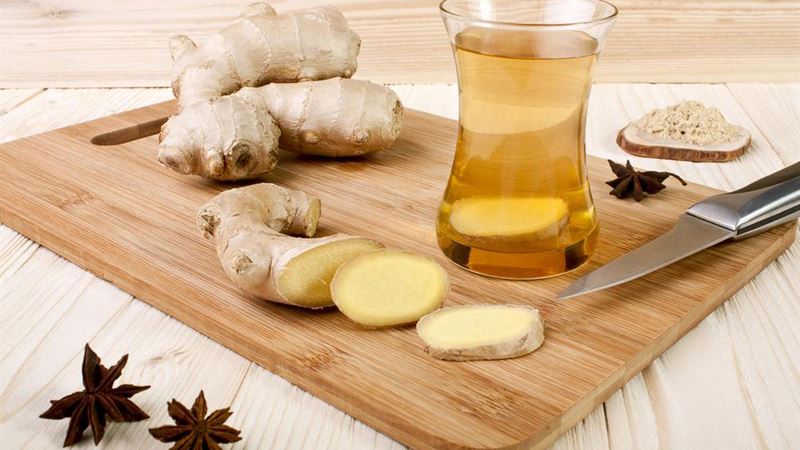
Studies show that garlic contains compounds that stimulate immune cells and reduce tumor growth. Ginger aids in alleviating nausea and improves circulation. Turmeric, owing to its curcumin content, is renowned for its powerful anti-inflammatory effects and ability to neutralize free radicals.
Adding these herbs to your daily meals not only elevates flavor but also provides therapeutic benefits. Cultivating herbs at home can also serve as a stress-relieving hobby, promoting mental well-being during intense treatment phases.
Consult healthcare professionals to determine appropriate herb dosages and ensure safety, especially if you are taking other medications. Integrating herbal remedies into your routine can be a holistic step toward accelerating recovery and enhancing quality of life.
Holistic Approaches for Emotional and Physical Well-being
Beyond physical treatments, addressing emotional health is fundamental in the recovery journey. Practices such as meditation, gentle yoga, and mindfulness can reduce stress and foster a positive outlook. Support groups and counseling can also provide emotional support, helping patients cope with the psychological challenges of a cancer diagnosis.
Creating a balanced lifestyle that incorporates natural therapies, healthy eating, hydration, and emotional nurturing forms a comprehensive strategy for recovery. Always discuss any new approaches with your healthcare team to align them with your overall treatment plan.
Conclusion: Embracing a Holistic Path to Healing
The journey through lung cancer recovery involves a multi-faceted approach that combines medical treatment with natural, supportive therapies. Incorporating essential oils, acupuncture, proper hydration, nutritious diet, and herbs can significantly improve the quality of life, reduce side effects, and boost the body's healing capacity. By embracing these holistic methods, patients can take proactive steps toward recovery, empowerment, and overall well-being. Remember to consult healthcare professionals before starting any new remedies, ensuring safe and personalized care tailored to your health needs.