
Essential Guidelines for Selecting the Perfect Car Cover
Choosing the right auto cover is vital for vehicle protection against environmental and accidental damage. This comprehensive guide covers parking environment considerations, material options, protective features, and proper sizing to help vehicle owners make informed decisions. Learn how to select a durable, weather-resistant, and feature-rich auto cover tailored to your specific needs, ensuring long-term vehicle safety and preservation.
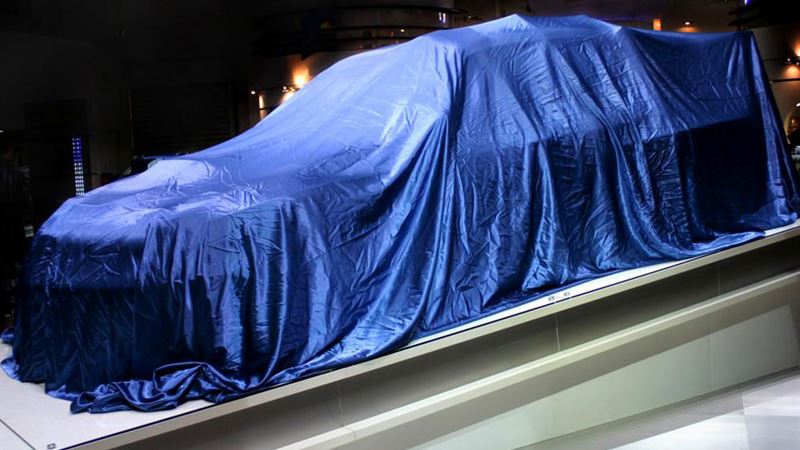
Choosing the right car cover is a crucial decision for vehicle owners aiming to protect their investment against environmental and accidental damages. Whether you park your car indoors or outdoors, understanding the key factors that influence your choice ensures your vehicle remains in optimal condition for years to come. Factors such as parking environment, material quality, weather conditions, and added features all play vital roles in selecting the most suitable cover for your vehicle. This comprehensive guide delves into the essential aspects to consider when buying a car cover, helping you make an informed decision tailored to your specific needs.
Type of Parking Space and Its Impact on Cover Selection
One of the primary considerations when choosing a car cover is the type of parking environment your vehicle occupies. Many vehicle owners believe that covered parking spaces or garages eliminate the need for a cover. However, this is a misconception. Indoor environments, while protected from weather elements, are not free from dust, humidity, and potential vandalism. Dust accumulation can lead to surface scratches and long-term damage, while moisture can foster mold growth if not properly managed.
Conversely, vehicles parked outdoors are exposed to a broader range of hazards, including UV rays, rain, snow, bird droppings, tree sap, and accidental scratches. An appropriate auto cover can serve as the first line of defense, safeguarding your vehicle against these threats. For open parking areas, choosing a cover made from durable, weather-resistant materials is essential to endure harsh environmental conditions. In contrast, indoor covers might prioritize dust-resistance and breathability to prevent moisture buildup.
Choosing the Right Material and Style for Your Auto Cover
Material selection is paramount regardless of the type of vehicle or cover style—be it a truck cover, boat cover, RV cover, or standard car cover. Various fabrics and blends are available, each offering unique protective qualities tailored to different conditions. Premium auto covers often feature specialized fabrics designed to shield vehicles from scratches, UV rays, moisture, and dirt.
When selecting a fabric, consider local climate factors. Regions with frequent rain or high humidity demand water-resistant, moisture-wicking fabrics that prevent mold and corrosion. In dry, dusty areas, a dustproof cover with high breathability is preferable to keep accumulated dust away from the vehicle’s surface. If you typically drive regularly, a lightweight, easily removable cover can offer convenience without sacrificing protection. Conversely, for long-term storage periods, a heavier, form-fitting cover that molds snugly around your vehicle provides enhanced protection from environmental elements.
In addition, the style of the cover—whether fitted or loose—determines ease of use and level of protection. Fitted covers with tailored elastic hems or straps secure tightly over the vehicle, reducing flapping in the wind and potential tears. Looser covers are easier to put on but may offer less protection if not properly secured.
Additional Features to Enhance Vehicle Protection
Beyond basic material qualities, many modern auto covers come with features designed to enhance longevity and protection. Breathability is crucial as it allows trapped moisture and heat to escape, preventing mold, mildew, and corrosion. UV-resistant coatings help maintain the vehicle’s paintwork by preventing color fading and degradation caused by prolonged sun exposure.
Other valuable features include reflective strips for increased visibility at night, anti-theft straps or lockable buckles to prevent theft or accidental removal, and antibacterial treatments to inhibit mold growth. Some covers also incorporate heat-resistant properties to withstand high temperatures without warping or degrading.
Once you've identified your needs based on parking conditions, climate, and desired features, the next step is to measure your vehicle accurately. Measure bumper to bumper to ensure you select a cover that provides sufficient coverage without being excessively loose or tight. Additionally, reading customer reviews and comparing prices across various reputable brands can help you identify the best quality auto cover that offers reliable protection at a reasonable price.
Investing in the right vehicle cover not only preserves your car's aesthetic appeal but also extends its lifespan by shielding it from environmental stressors and accidental damages. Whether your vehicle is stored indoors or parked outdoors, understanding these factors will empower you to choose an optimal cover that meets your specific requirements and budget considerations.