
Comprehensive Guide to Choosing the Perfect Car Cover for Your Vehicle
Discover the essential tips for selecting the ideal car cover to protect your vehicle from environmental damage and wear. This comprehensive guide covers different cover types, key considerations for effective protection, and maintenance advice to extend the lifespan of your car cover. Whether parking indoors or outdoors, learn how to choose a cover that fits well, resists hazards, and keeps your vehicle in top condition, saving you money and maintaining value.
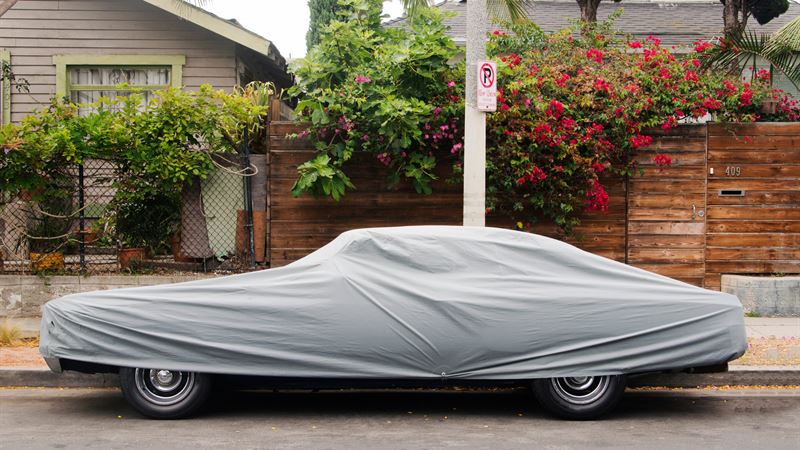
Maintaining the pristine condition of your vehicle amid varying weather conditions and environmental challenges is essential for every car owner. Selecting the right car cover is a critical step toward safeguarding your investment, ensuring that your vehicle remains protected from dust, UV rays, moisture, and other external elements. With a wide spectrum of options available in the market, understanding the different types of car covers and their specific benefits is paramount to making an informed decision. This comprehensive guide will walk you through the various types of car covers, factors to consider for optimal protection, and tips for long-term care to help you select the best cover tailored to your needs.
Diverse Types of Car Covers and Their Uses
- Car covers come in a variety of materials and designs, each engineered for specific environments and purposes. The most prominent categories include water-resistant, waterproof, and indoor cotton covers. Knowing their unique features assists in choosing the right cover to preserve your vehicle’s appearance and functionality.
- Water-resistant covers provide a protective barrier against light rain and dew, making them suitable for outdoor parking areas with moderate weather fluctuations. They prevent excess moisture from seeping into the vehicle’s surface, thereby minimizing risks of rust and corrosion.
- Waterproof covers, on the other hand, offer a higher level of protection against heavy rain, snow, and standing water. Made with tightly sealed fabrics, these covers are ideal for outdoor use, especially in regions prone to unpredictable weather patterns.
- Indoor car covers, typically crafted from breathable cotton or similar fabrics, are designed for vehicles parked within garages or covered parking structures. Their primary function is to shield the car from dust, dirt, and minor environmental contaminants while allowing adequate ventilation to prevent moisture buildup.
Understanding the nuances of these cover types ensures your vehicle stays in top condition, no matter where or how it is parked. If your car is usually kept indoors, an indoor cotton cover suffices; for outdoor storage, investing in waterproof or water-resistant covers provides extra protection against the elements.
Ensuring Effective Protection: Key Factors to Consider
- The most vital aspect of choosing a car cover is ensuring complete coverage. An ill-fitting cover that leaves parts of the vehicle exposed diminishes protection and leaves your car vulnerable to damages from UV rays, dust, bird droppings, and other environmental elements.
- Proper measurement is essential. Measure your vehicle's length, width, and height accurately before purchasing a cover. Many manufacturers provide sizing guides—use these to select a cover that snugly fits your car, preventing it from flapping in the wind or slipping off.
- Price and quality are closely linked in car covers. Opting for a cover with a reputable manufacturer’s warranty ensures durability, often lasting a minimum of seven years if properly maintained. While cheaper options might seem appealing initially, they tend to wear out quickly, leading to higher replacement costs over time.
- Look for features such as UV resistance, water repellency, breathability, and anti-scratch lining while choosing a cover. These attributes contribute significantly to the overall protection and lifespan of both the cover and the vehicle.
In summary, investing in a high-quality, well-fitting car cover with a suitable warranty will save you money and keep your vehicle looking new for years to come.
Choosing the Right Thickness and Understanding Potential Hazards
- Car covers come in varying thicknesses, which directly impact their durability and protective capabilities. Thicker covers tend to be more rugged and effective against heavy snow, debris, and physical abrasions, but they may be less breathable.
- Assess the environmental conditions of your parking area. If your vehicle faces extreme weather—such as heavy snowfall, hail, or high winds—select a heavy-duty, multi-layer cover designed to withstand these hazards.
- Conversely, if the concern is mainly sun exposure or dust, a lighter, more breathable cover will be sufficient and will help prevent moisture buildup that could cause rust.
- Evaluate potential hazards such as UV rays, moisture, hail, bird droppings, sap, dust, and pollutants. Your choice of cover should specifically address these risks, ensuring comprehensive protection.
For outdoor environments with harsh conditions, select a rugged, heavyweight cover that provides maximum resistance to external damage. For indoor or mild outdoor conditions, a lighter cover may strike the right balance between protection and breathability.
Breathable vs. Waterproof Covers: Which Is Better?
- Breathable covers facilitate the evaporation of condensation, reducing the risk of moisture accumulation that leads to rust and corrosion. They are ideal for long-term outdoor storage where ventilation is crucial.
- Waterproof covers prevent water ingress but may trap moisture underneath, creating a humid environment that could accelerate rust formation if not used carefully. Proper ventilation becomes essential when using waterproof covers in humid regions.
- Both options have their merits. Choose a breathable cover if your area experiences frequent dew, high humidity, or significant temperature fluctuations. Opt for a waterproof cover if your vehicle faces persistent rain or snow with no immediate indoor protection.
- Be cautious with mold and mildew growth, especially if moisture gets trapped under waterproof covers. Regular inspections and maintenance can mitigate these issues.
Ultimately, understanding your local climate and specific needs will guide you in selecting the most suitable cover type, ensuring your car’s longevity and pristine appearance.
Proper Care and Maintenance of Your Car Cover
- To maximize the lifespan of your car cover, store it in a clean, dry place when not in use. Using a breathable storage bag prevents dirt, dust, and moisture from accumulating on the cover itself.
- Cleaning your cover regularly is vital, especially after long periods of storage or exposure to dirt. Use mild soap and water, avoiding harsh chemicals that could degrade the fabric.
- Inspect the cover periodically for tears, fraying, or damage. Prompt repairs or replacements maintain its protective capabilities.
- Consider adding a lock or cable kit to secure the cover, especially if it’s a custom or high-value model. Theft prevention enhances the longevity of your investment.
- Remember that a well-maintained cover not only protects your vehicle better but also preserves the cover’s integrity, ensuring it continues to serve your needs effectively over the years.
In conclusion, choosing the right car cover is only the beginning; regular maintenance and proper storage extend its effectiveness and your vehicle's lifespan.
In summary, selecting the perfect car cover involves understanding the various types, assessing environmental hazards, ensuring proper fit, and maintaining the cover diligently. By following these comprehensive guidelines, your vehicle remains protected and looks brand new for years to come. Tailor your choice based on climate, parking conditions, and budget to achieve optimal results. Remember, investing in a quality cover is an investment in your vehicle's longevity and aesthetic appeal, saving you money on repairs and detailing in the long run.