
Ultimate Guide to Choosing the Perfect Car Cover for Your Vehicle
Discover comprehensive tips for choosing the ideal car cover that offers maximum protection against environmental damage. Learn about fabrics, durability, breathability, UV resistance, and proper fit to keep your vehicle looking new for years. This guide will help you select the best cover suited for your specific parking environment and driving habits, ensuring optimal protection and longevity for your car.
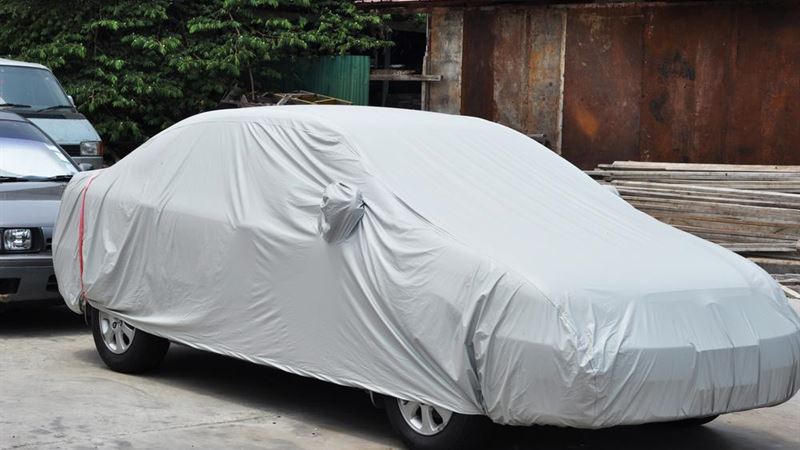
Protecting your vehicle from environmental elements is essential to maintain its appearance, performance, and longevity. A high-quality car cover acts as a shield against dust, dirt, UV rays, moisture, and other potential hazards. Selecting the right car cover requires careful consideration of multiple factors, including material, durability, breathability, and fit. This comprehensive guide will walk you through everything you need to know to choose the ideal car cover that safeguards your investment and keeps your vehicle looking brand new.
Understanding the importance of a good car cover starts with recognizing the challenges your vehicle faces daily. Exposure to sun can cause paint fading and deterioration of the clear coat. Dirt, dust, and pollen can scratch the surface over time, especially when accumulated in layers. Moisture and humidity promote rust and mold growth if not properly managed. Additionally, parking in areas with significant biological deposits, such as bird droppings or tree sap, further complicates the protection needs of your vehicle.
Choosing the perfect car cover involves examining its features thoroughly. Lightweight covers are convenient for daily use, allowing simple on and off handling without strain. They are typically foldable and easy to store, making them suitable for owners who frequently use their cars. For vehicles parked in heavily polluted or biological-rich environments, thicker and more robust covers provide enhanced protection against dings, scratches, and impact from debris.
Material selection is critical when it comes to effective protection. The fabric of the cover should balance durability with breathability. Breathable materials enable heat, moisture, and condensation to escape, reducing the risk of trapped humidity that can lead to corrosion, mildew, or paint damage. A good fabric also prevents dust infiltration, which can be abrasive and result in minor scratches that worsen over time. It's advisable to look for covers with a soft, silky inner lining that won’t scratch the vehicle’s surface, preserving its pristine condition over years of use.
Protection from dust and abrasive particles is vital. The paint layer on most vehicles is approximately 0.006 inches thick. Dirt particles that settle on the surface can act as micro-abrasives, gradually wearing down the paint and causing dullness. High-quality covers are designed to minimize dust entry, maintaining your vehicle’s glossy appearance. Several advanced car covers incorporate tightly woven fabrics or special coatings that block dust infiltration and prevent buildup.
Moisture management is another important factor in fabric selection. Accumulation of water or humidity can foster the development of mold, mildew, or even cause the cover material itself to rot. To avoid this, opt for covers treated with moisture inhibitors that prevent mold growth and decay. Such treatments extend the lifespan of the cover and ensure ongoing protection for your vehicle.
Ultraviolet (UV) resistance is essential when your car is exposed to direct sunlight. UV rays can cause paint fading, discoloration, and deterioration of the clear coat. High-quality car covers come with UV-resistant properties, shielding your vehicle from these harmful effects and preserving its original shine. This feature is particularly important if the car remains parked outdoors for extended periods.
Quick-drying capabilities significantly enhance the convenience of owning a car cover. Quality covers typically have a low absorption rate—around 2%—meaning they shed moisture rapidly, even after heavy rain. This allows you to shake off excess water and resume your day without additional drying time. Conversely, cheaper covers may absorb up to 40% of their weight in moisture, making them heavy, cumbersome, and difficult to dry, which can lead to mold and mildew growth.
Durability and longevity are also key considerations. A superior car cover will retain its protective qualities for years without degrading or tearing. Investing in a high-quality, sturdy cover ensures that you won’t need frequent replacements, ultimately saving money and providing consistent protection.
When purchasing a car cover, it’s highly recommended to buy from reputable suppliers known for quality products. Custom-fit covers designed specifically for your vehicle model offer the best protection by ensuring a snug fit that prevents wind lifting and exposure gaps. Consulting with industry experts can help you select the right size and material for your specific needs, whether you park outdoors, in a garage, or in a covered lot.
In conclusion, protecting your vehicle with the right car cover is a smart investment that preserves its appearance and extends its lifespan. By carefully considering factors such as material, breathability, UV resistance, fit, and durability, you can select a cover that effectively guards your vehicle against environmental threats. Always prioritize quality and compatibility to ensure your vehicle remains pristine and protected for years to come. Follow these guidelines to make an informed purchase and enjoy peace of mind knowing your valuable investment is well guarded.