
Comprehensive Guide to 8 Foods That Effectively Reduce Cholesterol Levels
Discover a comprehensive guide on eight scientifically-backed foods that can effectively lower bad cholesterol and boost heart health. From oats and fatty fish to nuts and dark chocolate, learn how simple dietary choices can significantly impact your cardiovascular well-being and help prevent heart disease through natural, nutritious foods.
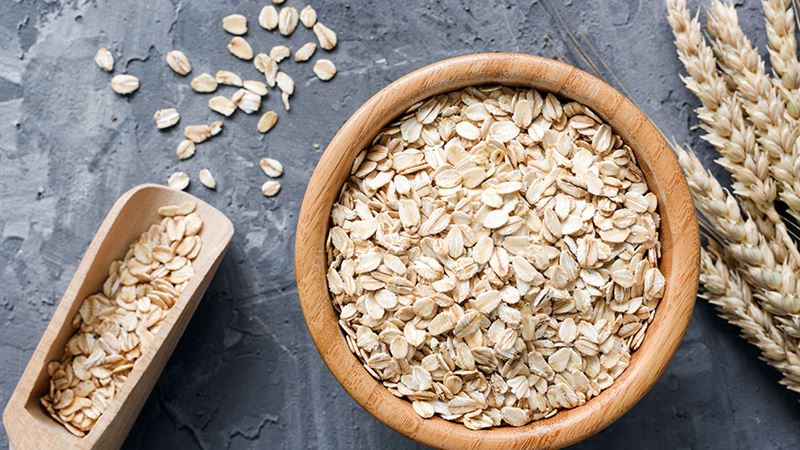
- Oats and Oatmeal Products
- Fatty Fish for Heart Support
- Legumes and Beans
- Nuts and Seeds that Promote Heart Health
- Avocados — The Nutrient-Dense Fruit
- Choosing Healthy Vegetable Oils
- Soy-Based Foods and Their Role in Cholesterol Control
- Dark Chocolate and Cocoa for Heart Benefits
Starting your day with a bowl of oatmeal or oat-based cereal sets a heart-healthy tone. Oats are rich in soluble fiber, particularly beta-glucan, which is highly effective in lowering low-density lipoprotein (LDL) cholesterol — the so-called “bad” cholesterol. Incorporating oats into your breakfast routine can help bind cholesterol in the digestive system, preventing its absorption into the bloodstream. To enhance flavor and nutritional intake, consider topping your oats with fresh slices of bananas, strawberries, or blueberries, which add antioxidants and additional fiber.
Fatty fish such as salmon, mackerel, sardines, and herring are renowned for their high omega-3 fatty acid content. Consuming these fish at least twice weekly can significantly reduce LDL cholesterol levels and elevate HDL cholesterol — the “good” cholesterol that helps remove excess fats from your blood. Omega-3 fatty acids also possess anti-inflammatory properties, which further support cardiovascular health by reducing plaque buildup in arteries. Including a variety of these fish in your diet provides essential nutrients that reinforce your heart’s vitality.
Legumes, including kidney beans, navy beans, black beans, chickpeas, and lentils, are abundant sources of soluble fiber. This type of fiber is vital in lowering blood cholesterol levels by trapping cholesterol molecules and facilitating their expulsion from the body. Beans are further advantageous due to their high protein and nutrient content, making them excellent meat substitutes. Their versatility allows for inclusion in soups, salads, stews, and sides, ensuring you can enjoy their benefits regularly while feeling satiated for longer periods.
Nuts such as almonds, walnuts, pistachios, and peanuts are powerhouses of monounsaturated and polyunsaturated fats. Regular consumption of a small handful of nuts daily has been linked to reduced LDL cholesterol and improved overall heart health. These fats help decrease inflammation and stabilize arterial walls. Nut-based snacks are convenient, portable, and versatile — perfect for replacing less healthy snack options while providing essential fatty acids, fiber, and antioxidants that support cardiovascular wellness.
Avocados are uniquely rich in monounsaturated fats, which are heart-healthy fats that aid in decreasing harmful cholesterol and increasing beneficial HDL levels. They are also packed with fiber, potassium, and various antioxidants, contributing to improved blood pressure regulation and overall vascular function. Incorporate sliced avocados into salads, spreads, or smoothies to boost your nutrient intake. Their creamy texture and mild flavor make them a delicious addition to a heart-healthy diet.
Cooking oils play a significant role in managing cholesterol. Opt for healthier vegetable oils like sunflower, canola, safflower, and olive oil, which contain unsaturated fats beneficial in lowering bad cholesterol levels. When preparing meals, substituting saturated fats like butter or lard with these oils can help maintain a healthy lipid profile. Be mindful of the quantity used, as oils are calorie-dense, but their positive impact on heart health is well-documented when used correctly.
Foods derived from soybeans, such as tofu, soy milk, and edamame, have been recognized for their moderate cholesterol-lowering effects. Consuming around 25 grams of soy protein daily can lead to a reduction in LDL cholesterol by approximately 5-6%. Soy contains isoflavones, which are plant-based compounds that may support vascular health. While soy alone isn’t a miracle cure, it is an excellent plant-based option that can complement a balanced, heart-healthy diet.
Indulging in dark chocolate and cocoa, when chosen correctly, can provide health benefits related to cholesterol. Dark chocolate with a cocoa content of 75% or higher contains flavonoids, potent antioxidants that help reduce LDL cholesterol and improve endothelial function. These compounds enhance flexibility of blood vessels and reduce oxidative stress, key factors in preventing atherosclerosis. It’s essential to choose pure or minimally processed dark chocolate rather than milk or white chocolate, which typically contain high sugar levels detrimental to heart health.