
Comprehensive Guide to Foods That Help Lower Cholesterol Naturally
Discover effective, natural ways to lower cholesterol through a diet rich in fiber, healthy fats, and plant-based foods. This comprehensive guide covers key foods, lifestyle tips, and practical advice to support heart health and prevent cardiovascular diseases, empowering you to take control of your cholesterol levels for a healthier life.
Oats and Barley – Nature’s Heart-Healthy Grains
Eating a bowl of oatmeal or cold oat cereals for breakfast is one of the simplest ways to boost your soluble fiber intake, which is crucial in reducing LDL cholesterol. Oats are rich in beta-glucan, a type of soluble fiber that binds cholesterol in the digestive system, helping to flush it out. Incorporating bananas or strawberries adds additional soluble fiber, bringing the total closer to the daily recommended intake of 20-35 grams. Similarly, barley and other whole grains contain soluble fiber that not only lowers LDL levels but also contributes to overall cardiovascular health. Switching refined grains with whole grains like barley, buckwheat, and quinoa can significantly reduce heart disease risk.
Legumes – Powerhouses of Soluble Fiber
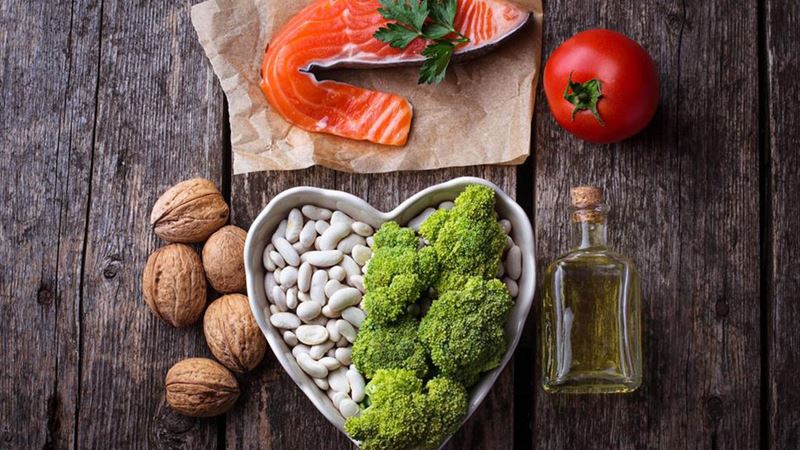
Beans, lentils, and other legumes are nutrient-dense and exceptional sources of soluble fiber. Their high fiber content delays digestion, making you feel full longer, which is beneficial for weight management. Besides fiber, they provide plant-based protein, vitamins, and minerals. Regularly adding varieties like kidney beans, navy beans, black-eyed peas, and chickpeas to your meals can lead to substantial reductions in LDL cholesterol. Beans are versatile; they can be added to salads, soups, stews, and even made into dips or spreads, making them easy to integrate into your daily diet.
Vegetables – Low-Calorie, Nutritious Choices
Vegetables like eggplant and okra are not only low in calories but also rich in soluble fiber and antioxidants. These vegetables support cholesterol management and overall vascular health. Incorporating a colorful array of vegetables into meals can provide essential nutrients while aiding in LDL reduction. Roasting, grilling, or steaming brings out their flavors without the need for excessive fats or salts. Their high fiber content helps keep blood vessels clear of deposits and promotes healthy blood flow.
Nut Consumption – Heart-Healthy Fats
Eating a small handful of nuts daily, approximately two ounces, can significantly improve your lipid profile. Nuts such as walnuts, almonds, pistachios, and peanuts are abundant in monounsaturated and polyunsaturated fats, which help lower LDL cholesterol levels. Additionally, they contain plant sterols, fiber, and antioxidants that combat oxidative stress and inflammation. Incorporate nuts into your breakfast oatmeal, salads, or as a healthy snack. Despite their high calorie content, moderate nut consumption supports weight management and cardiovascular health.
Cooking Oils – Favoring Healthy Fats
Choosing the right cooking oils can influence cholesterol levels positively. Oils like extra virgin olive oil, canola oil, sunflower oil, and safflower oil contain healthier fats and antioxidants. Replacing saturated fats such as butter, lard, and coconut oil with these options not only enhances flavor but also helps lower LDL cholesterol. Use these oils for dressings, sautéing, and baking. Their omega-3 and omega-6 fatty acids contribute to reducing inflammation and triglycerides, promoting a healthy heart.
Fruits – Delicious and Nutrient-Rich
Fruits including apples, grapes, berries, and citrus fruits are high in pectin, a soluble fiber that supports LDL cholesterol reduction. Consuming a variety of fruits daily can lower blood cholesterol while providing antioxidants, vitamins, and phytochemicals that improve overall health. Snack on fresh fruit, add berries to yogurt, or include citrus slices to salads. Their natural sweetness discourages the need for sugary snacks, assisting in weight control and preventing diabetes—both crucial factors in managing cholesterol levels.
Fortified Foods with Plant Sterols and Stanols
Certain foods are now enriched with plant sterols and stanols, compounds derived from plants that interfere with cholesterol absorption in the intestines. These are commonly added to products like orange juice, margarine, granola bars, and chocolates. Regular consumption of 2 grams of sterols or stanols daily can reduce LDL cholesterol by about 10%. Using fortified foods as part of a balanced diet provides an easy, tasty way to support cholesterol management, especially when combined with other lifestyle modifications.
Soy Products – Plant-Based Cholesterol Busters
Soy foods such as tofu, soy milk, and edamame are effective in lowering LDL levels. Incorporating approximately 25 grams of soy protein daily can lead to reductions in LDL cholesterol by 5-6%. These foods are rich in isoflavones, which help improve arterial elasticity and reduce inflammation. Replacing animal protein with soy-based options can also contribute to lower saturated fat intake, further benefiting heart health. Including soy in your diet can be simple—add tofu to stir-fries, enjoy soy milk with breakfast, or snack on roasted edamame.
Fatty Fish – Rich in Omega-3 Fatty Acids
Consuming fatty fish like salmon, mackerel, sardines, and trout provides high levels of omega-3 fatty acids, which have been shown to lower triglycerides, reduce inflammation, and decrease LDL cholesterol. Replacing red and processed meats with fatty fish at least twice a week can have profound effects on cardiovascular health. Omega-3s also help prevent irregular heart rhythms and promote overall vascular function. Incorporate grilled, baked, or steamed fish into your meals for both taste and health benefits.
Dietary Supplements and Lifestyle Factors
In addition to diet, soluble fiber supplements like psyllium husk (found in products such as Metamucil) can be effective in increasing fiber intake. About two teaspoons daily can provide 4 grams of soluble fiber. Beyond diet, addressing lifestyle factors is critical. Limiting saturated and trans fats is essential—saturated fats are found in animal products like red meats, full-fat dairy, and certain oils, while trans fats are present in processed foods, baked goods, and margarines. Eliminating trans fats altogether is crucial, as they elevate LDL cholesterol and triglycerides while decreasing protective HDL. Maintaining a healthy weight through regular physical activity helps balance lipid levels—exercising moderately most days of the week raises HDL while lowering LDL.
Engaging in consistent aerobic activity, such as brisk walking, cycling, or swimming, for at least 150 minutes weekly can significantly improve cholesterol profiles. Combining a balanced diet rich in fiber, healthy fats, and plant-based foods with regular exercise and weight management strategies offers the most effective approach to achieving and maintaining healthy cholesterol levels. Consulting with healthcare providers or nutritionists can help tailor individual plans and consider medications if necessary. By making these dietary and lifestyle changes, individuals can reduce the risk of heart disease, stroke, and other cardiovascular complications, leading to a healthier, longer life.