
Comprehensive Guide to Maintaining Healthy Cholesterol Levels Through Diet and Lifestyle
Discover practical and effective strategies to manage your cholesterol levels naturally. This comprehensive guide explores dietary tips, lifestyle changes, and habits that support heart health, helping you reduce cardiovascular risks and maintain optimal cholesterol balance through sustainable practices and informed choices.
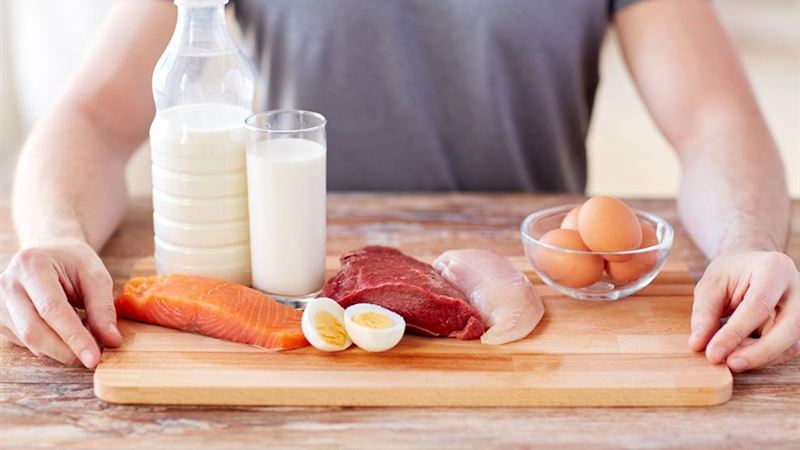
Understanding Cholesterol and Its Impact on Health
Cholesterol is a waxy, fat-like substance that circulates in your blood and is vital for building healthy cells. However, an imbalance—particularly elevated levels of low-density lipoprotein (LDL), often termed 'bad' cholesterol—can lead to plaque buildup within arterial walls, increasing the risk of heart attack, stroke, and other cardiovascular conditions. Conversely, high-density lipoprotein (HDL), known as 'good' cholesterol, helps remove excess cholesterol from the bloodstream.
Balancing these two types of cholesterol through diet and lifestyle is crucial. Lifestyle factors such as sedentary habits, smoking, excessive alcohol consumption, and poor diet can significantly impact cholesterol levels. Therefore, a holistic approach focusing on nutrition, physical activity, and behavioral modifications is essential for maintaining healthy cholesterol levels.
Essential Dietary Strategies for Cholesterol Management
1. Limit Saturated and Trans Fats
The cornerstone of a cholesterol-friendly diet involves reducing intake of saturated fats found in red meats, full-fat dairy products, and processed foods. Trans fats, present in many baked goods and fried foods, are even more harmful—they not only elevate LDL cholesterol but also suppress HDL cholesterol, worsening your risk profile.
Instead, prioritize healthier fats sourced from plant-based oils, fish, and nuts. These unsaturated fats help improve your lipid profile and support overall cardiovascular health.
2. Increase Dietary Fiber Intake
Soluble fiber is remarkably effective in lowering LDL cholesterol. It binds to cholesterol particles in the digestive system, facilitating their removal from the body. Foods rich in soluble fiber include oats, barley, beans, lentils, fruits such as apples, oranges, and pears, and vegetables like carrots and Brussels sprouts.
Adding these foods to your daily diet can significantly contribute to maintaining optimal cholesterol levels.
3. Incorporate Heart-Healthy Fish
Regular consumption of fatty fish is highly recommended for cholesterol management. Fish such as salmon, mackerel, sardines, and albacore tuna are rich in omega-3 fatty acids, which have been shown to lower triglycerides, reduce inflammation, and increase HDL cholesterol.
Aim to include fish in your meals at least twice weekly. Cooking methods like grilling, baking, or steaming can help retain their nutritional benefits without added fats.
4. Emphasize Plant-Based Foods Like Spinach
Leafy greens such as spinach are packed with lutein, a carotenoid that prevents cholesterol buildup and arterial clogging. Consuming a variety of vegetables not only supports healthy blood vessels but also provides antioxidants that combat oxidative stress linked to heart disease.
Incorporate vegetables into every meal for a nutrient-dense, heart-healthy diet.
5. Use Olive Oil as Your Primary Cooking Fat
Switching to olive oil can make a significant difference in your cholesterol levels. Rich in monounsaturated fats and antioxidants, extra virgin olive oil can reduce LDL cholesterol by approximately 10-15%. Its anti-inflammatory properties also contribute to better heart health.
Replace butter and margarine with olive oil when cooking, drizzling it over salads and vegetables for added flavor and health benefits.
Lifestyle Changes to Support Cholesterol Control
1. Regular Physical Activity
Engaging in at least 150 minutes of moderate exercise per week—such as brisk walking, cycling, swimming, or jogging—can boost HDL cholesterol while lowering LDL levels. Exercise improves your overall cardiovascular fitness and aids in weight management, which is critical for controlling cholesterol.
2. Achieve and Maintain a Healthy Weight
Overweight and obesity are major risk factors for dyslipidemia. Losing even a modest amount of weight can lead to substantial improvements in cholesterol levels. Focus on a balanced diet coupled with regular physical activity to achieve sustainable weight loss.
3. Quit Smoking and Limit Alcohol Intake
Smoking cessation enhances your HDL cholesterol and reduces arterial damage. Limiting alcohol consumption is equally important, as excessive intake can elevate triglycerides and contribute to other health issues.
4. Manage Stress Effectively
Chronic stress can negatively influence cholesterol levels and promote unhealthy habits. Incorporate stress-reducing activities like meditation, yoga, or deep breathing exercises into your routine.
Regular Screenings and Medical Consultations
Monitoring your cholesterol levels through routine blood tests is essential for assessing your risk and tailoring your management plan. Consult with your healthcare provider to determine the frequency of screening and discuss potential medication options if lifestyle modifications are insufficient.
Conclusion: Embrace a Holistic Approach for Heart Health
Maintaining healthy cholesterol levels requires a comprehensive approach that combines a nutritious diet, consistent physical activity, and healthy lifestyle choices. By making these adjustments, you can significantly reduce your risk of heart disease, improve your overall health, and enjoy a vibrant, active life.