
Comprehensive Guide to Toenail Fungus: Symptoms, Causes, Effective Home Treatments, and Precautionary Tips
This comprehensive guide delves into toenail fungus, highlighting its symptoms, causes, natural home remedies, and essential precautions. It emphasizes early detection, effective treatment options, and prevention tips to maintain healthy toenails. Perfect for those seeking safe, natural, and medical solutions, this article equips readers with practical knowledge to combat and prevent fungal infections effectively, ensuring better foot health and confidence.
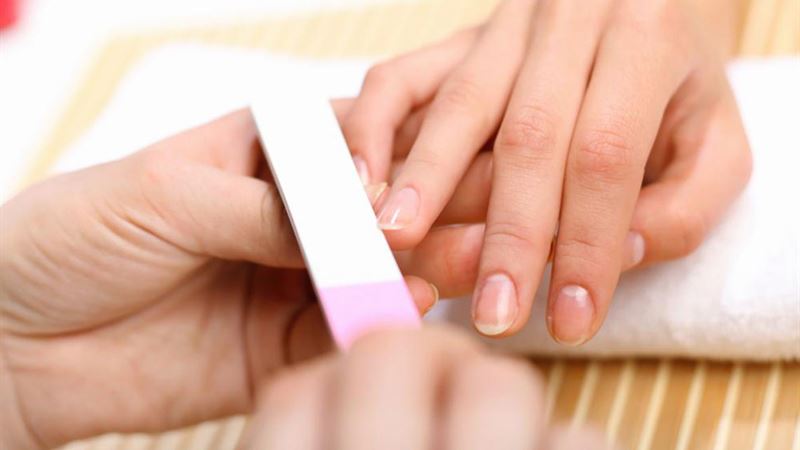
Toenail infections are a common health issue that can significantly impact your comfort and confidence. Due to the relatively lower blood supply in toenails compared to fingernails, the immune system finds it more challenging to combat infections in this area. This can lead to painful, persistent, or temporary damage to your toenails if left untreated. Fortunately, a variety of home remedies, over-the-counter (OTC) medications, and professional medical treatments are available to address this condition effectively. Understanding the signs and causes of toenail fungus is crucial for early intervention, which can prevent severe damage and complications.
It is advisable to seek medical consultation before starting any home-based treatment, especially if symptoms are severe or worsening. Healthcare professionals such as dermatologists or podiatrists can offer accurate diagnoses and tailored treatment plans. Mild cases of toenail fungus often respond well to simple home remedies, while more advanced cases may require prescription medications or minor surgical procedures. This comprehensive guide will cover the main signs indicating toenail fungus, the factors that contribute to its development, effective home remedies backed by natural ingredients, and essential precautions to prevent recurrence or worsening of the infection.
Understanding the signs of toenail fungus can help in early detection and treatment. Common symptoms include white, yellow, or greenish patches or streaks appearing beneath or around the affected nail. The infected nail often becomes thickened, brittle, and deformed, losing its natural shape. Discoloration can spread to neighboring nails, creating a wider scope of infection. An unpleasant odor may emanate from the infected toenail, especially if the condition persists for some time. Often, patients report a dull ache or mild discomfort around the nail and surrounding skin, particularly if the infection advances or causes inflammation.
Several factors contribute to the development of toenail fungus. Poor-quality grooming products used during pedicures or foot massages can introduce fungal spores. Wearing socks made from inadequate materials that do not wick moisture away from the skin creates a damp environment conducive to fungal growth. Additionally, tight or poorly ventilated footwear can trap moisture and exert pressure on the nails, promoting fungal colonization. Individuals with underlying health conditions like diabetes, a weakened immune system, or circulatory issues are more vulnerable to toenail infections. Professions or activities involving prolonged exposure to moisture—such as swimming, bartending, or housekeeping—also increase the risk.
Fungus can spread rapidly, especially through contact with contaminated surfaces or individuals. Walking barefoot in public areas such as pools, gyms, locker rooms, or communal showers significantly raises the risk. Preventative measures are essential to reduce the chances of infection, including practicing good foot hygiene and maintaining dry, clean feet at all times.
Numerous home remedies have been traditionally used to combat toenail fungus. These natural solutions are affordable and generally safe when applied correctly. Vinegar, especially apple cider or white vinegar, contains acetic acid with antifungal properties that can help inhibit fungal growth when used as a soak or topical application. For instance, soaking the affected foot in a diluted vinegar solution for 15-20 minutes daily can show noticeable results over time.
Another effective home remedy is mouthwash, which often contains thymol—a compound with potent antifungal effects. Applying mouthwash directly onto the infected toenail using a cotton ball or pad can assist in reducing fungal presence. Make sure to choose a mouthwash with active antifungal ingredients and apply it consistently twice daily. Tea tree oil, derived from the Melaleuca alternifolia plant, has been widely recognized for its antifungal and antiseptic properties. Applying diluted tea tree oil directly to the affected toenail thrice daily can help eliminate the fungus.
Similarly, oregano oil contains compounds such as carvacrol and thymol that exhibit antifungal activity. Proper dilution and regular application to the infected area can support healing. Additionally, coconut oil’s natural fatty acids, particularly lauric acid, possess antifungal qualities. Regularly applying coconut oil on the affected nails can help curb fungal proliferation and promote healthy nail regrowth.
In cases where home remedies are insufficient, medical treatments are often recommended. Topical antifungal agents like medicated nail polishes, creams, and lotions can be prescribed by a healthcare professional. These treatments usually need to be applied consistently over several weeks or months. For severe or resistant infections, doctors might suggest oral antifungal medications, which are more potent but come with potential side effects and require medical supervision.
In extreme situations where infection persists despite treatment, or there is significant nail damage, surgical intervention may be necessary. This can involve removing the infected portion of the nail or, in some cases, complete removal of the nail (nail avulsion). Such procedures are typically performed by specialists and are reserved for advanced or persistent cases to prevent the spread of infection and facilitate proper healing.
Prevention is always better than cure, especially for fungal infections. Effective precautions include regularly washing and thoroughly drying feet with antibacterial soap and clean water, then drying carefully to remove all moisture. Regular trimming of toenails prevents the buildup of dirt and fungi beneath the nails. Using sanitized tools for grooming and avoiding sharing nail care or footwear reduces risk. Always choose high-quality, breathable socks that wick moisture away from the skin to keep feet dry. Wearing properly fitting shoes that allow air circulation is crucial—all tight-fitting or non-ventilated footwear should be avoided. These simple yet effective measures can significantly lower the chances of toenail fungus re-infection.
In conclusion, toenail fungus is a common but treatable condition that responds well to early detection and appropriate intervention. Whether using natural home remedies or seeking professional care, maintaining good foot hygiene and preventive practices are key to managing and preventing toenail infections. If symptoms persist or worsen despite home treatments, consulting a healthcare professional is essential for tailored, effective therapy to restore the health and appearance of your toenails.