
Comprehensive Guide to Proper Maintenance of Your Home Security System
Maintaining a home security system is essential for optimal performance. Regularly clean sensors and cameras, check wiring and mountings, schedule professional inspections, and manage outdoor obstructions to ensure your alarm system functions flawlessly. This detailed guide offers practical tips to help homeowners prolong the lifespan and effectiveness of their security setups, providing peace of mind through consistent upkeep.
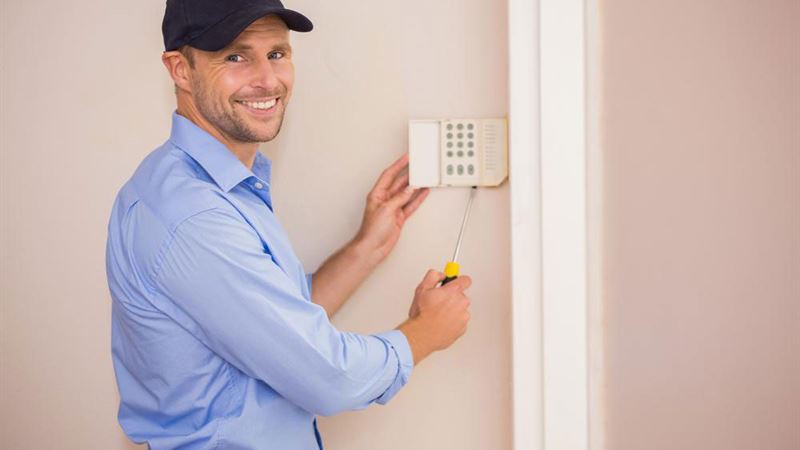
Securing your home requires more than just installing an alarm system; routine maintenance is crucial to ensure optimal performance and long-term reliability. Regular upkeep helps you avoid false alarms, ensures swift response times during emergencies, and prolongs the lifespan of your security devices. This detailed guide provides essential tips on maintaining various components of your home security system—from sensors and cameras to wiring and external features—so that your home remains protected around the clock.
Asking for a walkthrough from your security provider can be invaluable. Understanding how to operate and troubleshoot each component, even something as simple as disabling a motion detector temporarily, simplifies daily management of your system. Proper knowledge reduces the chances of errors and enhances your ability to respond swiftly in case of emergencies.
Keep Sensors in Top Condition: Dust, dirt, and debris can accumulate on sensors over time, impairing their sensitivity and effectiveness. Regular cleaning of sensors is essential. Use a soft, lint-free cloth to gently wipe sensors and remove fingerprints or smudges. Avoid harsh chemicals or abrasive tools, as these can damage sensitive surfaces. Always disarm your alarm system before cleaning to prevent accidental triggering. Maintaining a dust-free environment around sensors enhances detection accuracy and minimizes false alarms.
Maintain Cameras for Clear Surveillance: Surveillance cameras are vital for monitoring both indoor and outdoor spaces. Regularly inspect your cameras for dirt, mud, water spots, or smudges that can obscure their lenses. Clean lenses carefully with a soft cloth designed for delicate surfaces. Clear footage is essential for identifying intruders or suspicious activity and can be critical evidence if needed. Additionally, check that camera mounts are secure and that the surrounding area is free from obstructions. Properly functioning cameras improve the overall effectiveness of your security system.
Secure and Inspect Cables and Mountings: Most alarm systems rely on mounted devices connected via cables. Over time, wires can become loose, frayed, or damaged. Regularly inspect all wiring for signs of wear and tear, and ensure that mounting brackets remain solid and properly anchored. Loose or falling mounts can limit coverage and introduce blind spots. Proper wiring and installation are crucial for system reliability, especially in adverse weather conditions that can cause wear over time.
Schedule Routine Testing and Professional Inspections: Consistent testing ensures your alarm system functions correctly when needed. Perform a full-system test at least once each month, following the manufacturer's guidelines. This includes verifying sensors, alarms, cameras, and control panels. It may be helpful to log these tests for future reference. In addition, schedule annual or bi-annual inspections with a professional installer. A trained technician can identify hidden issues, replace faulty components, and calibrate sensors or cameras for optimal performance. Keeping detailed maintenance records helps track system health over time.
Manage External Elements and Obstructions: Your external security cameras and sensors are exposed to natural elements and wildlife. Trim back bushes, trees, and shrubs to prevent foliage from blocking camera views. Ensure that no nests or debris accumulate on or around cameras, which can obscure their lenses or cause damage. Protect outdoor devices with weatherproof enclosures and check seals for cracks that could allow water ingress. Similarly, monitor for condensation, especially during seasonal changes, as moisture can impair electronic components. Protecting your system from elements extends its lifespan and maintains reliable operation.
By implementing these comprehensive maintenance practices, homeowners can enhance the performance and durability of their security systems, providing peace of mind knowing that their property is thoroughly protected. Regular attention to sensors, cameras, wiring, and external surroundings means your security infrastructure remains effective, responsive, and ready at all times.
Asking for a walkthrough from your security provider can be invaluable. Understanding how to operate and troubleshoot each component, even something as simple as disabling a motion detector temporarily, simplifies daily management of your system. Proper knowledge reduces the chances of errors and enhances your ability to respond swiftly in case of emergencies.
Keep Sensors in Top Condition: Dust, dirt, and debris can accumulate on sensors over time, impairing their sensitivity and effectiveness. Regular cleaning of sensors is essential. Use a soft, lint-free cloth to gently wipe sensors and remove fingerprints or smudges. Avoid harsh chemicals or abrasive tools, as these can damage sensitive surfaces. Always disarm your alarm system before cleaning to prevent accidental triggering. Maintaining a dust-free environment around sensors enhances detection accuracy and minimizes false alarms.
Maintain Cameras for Clear Surveillance: Surveillance cameras are vital for monitoring both indoor and outdoor spaces. Regularly inspect your cameras for dirt, mud, water spots, or smudges that can obscure their lenses. Clean lenses carefully with a soft cloth designed for delicate surfaces. Clear footage is essential for identifying intruders or suspicious activity and can be critical evidence if needed. Additionally, check that camera mounts are secure and that the surrounding area is free from obstructions. Properly functioning cameras improve the overall effectiveness of your security system.
Secure and Inspect Cables and Mountings: Most alarm systems rely on mounted devices connected via cables. Over time, wires can become loose, frayed, or damaged. Regularly inspect all wiring for signs of wear and tear, and ensure that mounting brackets remain solid and properly anchored. Loose or falling mounts can limit coverage and introduce blind spots. Proper wiring and installation are crucial for system reliability, especially in adverse weather conditions that can cause wear over time.
Schedule Routine Testing and Professional Inspections: Consistent testing ensures your alarm system functions correctly when needed. Perform a full-system test at least once each month, following the manufacturer's guidelines. This includes verifying sensors, alarms, cameras, and control panels. It may be helpful to log these tests for future reference. In addition, schedule annual or bi-annual inspections with a professional installer. A trained technician can identify hidden issues, replace faulty components, and calibrate sensors or cameras for optimal performance. Keeping detailed maintenance records helps track system health over time.
Manage External Elements and Obstructions: Your external security cameras and sensors are exposed to natural elements and wildlife. Trim back bushes, trees, and shrubs to prevent foliage from blocking camera views. Ensure that no nests or debris accumulate on or around cameras, which can obscure their lenses or cause damage. Protect outdoor devices with weatherproof enclosures and check seals for cracks that could allow water ingress. Similarly, monitor for condensation, especially during seasonal changes, as moisture can impair electronic components. Protecting your system from elements extends its lifespan and maintains reliable operation.
By implementing these comprehensive maintenance practices, homeowners can enhance the performance and durability of their security systems, providing peace of mind knowing that their property is thoroughly protected. Regular attention to sensors, cameras, wiring, and external surroundings means your security infrastructure remains effective, responsive, and ready at all times.