
Essential Guide to Extending Your Car Battery’s Lifespan
Learn effective strategies to prolong your car battery's life, including water checks, terminal cleaning, voltage monitoring, and professional inspections. This comprehensive guide offers vital tips for vehicle owners to maintain reliable performance, prevent unexpected breakdowns, and save money by extending battery lifespan. Discover how simple maintenance routines can make a significant difference in ensuring your car runs smoothly and efficiently in any conditions.
Understanding Your Car Battery Types
Before diving into maintenance routines, it’s important to differentiate between the two main types of car batteries. Most vehicles use either a conventional wet cell battery or an AGM (Absorbed Glass Mat) battery. Wet cell batteries are traditional and need routine water level checks. AGM batteries, on the other hand, are sealed and maintenance-free, designed to last longer and offer better performance in demanding conditions. Recognizing which type your vehicle uses will help tailor your maintenance approach appropriately.
Check and Maintain Water Levels in Non-Maintenance-Free Batteries
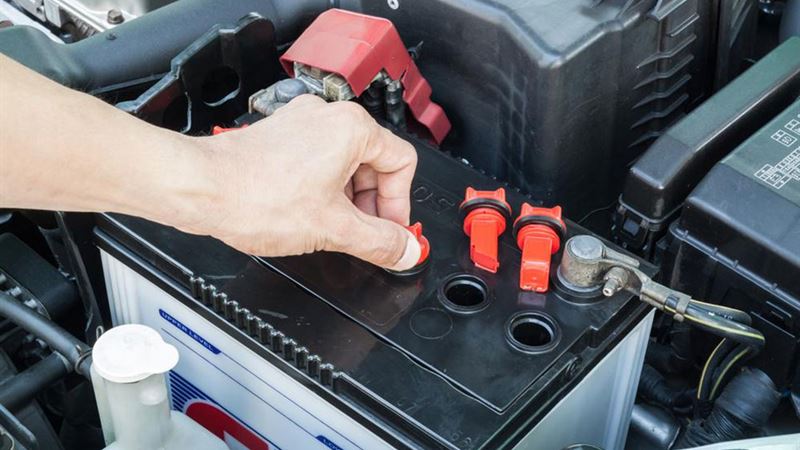
If your car employs a non-maintenance-free wet cell battery, checking the water levels every two to three months is essential. This simple task ensures that your battery remains properly hydrated, preventing internal damage and performance issues. When inspecting, open the refill holes and ensure the water does not touch the bottom of the opening. If necessary, top up with distilled water cautiously, avoiding overfilling. Remember, never attempt to add tap water, as minerals can harm the battery’s internal components.
Regular Cleaning of Battery Terminals
Over time, corrosion and rust can build up on the battery terminals, impairing electrical connectivity. To prevent this, clean the terminals every six to eight months. Remove the connectors gently, using a wire brush or terminal cleaner, and scrub off corrosion. After cleaning, apply a high-temperature grease or battery terminal protector to prevent future corrosion. This preventive step ensures a reliable electrical connection and smooth starting performance.
Protective Coating and Corrosion Prevention
Applying a layer of specialized grease made for high temperatures can significantly protect your battery from rusting and corrosion, especially in humid or salty environments. Additionally, keep the top of the battery clean by wiping away dirt and grime. If you notice white or bluish corrosion on the cables or terminals, use a paste of baking soda mixed with water and a non-metallic brush to clean the affected areas. Regular maintenance of these surfaces dramatically extends the battery’s life and maintains optimal performance.
Monitoring Voltage and Electrical Health
One of the most effective ways to gauge your battery’s health is by checking the cell voltage periodically. During routine vehicle servicing, ask your mechanic to perform a voltage test. A healthy battery generally maintains around 12.6 volts when the engine is off. Reduced voltage levels indicate potential issues, such as aging or insufficient charge. Modern diagnostic tools can also detect internal cell problems, allowing proactive replacements before complete failure occurs. Keep an eye on your battery’s electrical performance for a smooth ride.
Inspecting and Replacing Battery Insulators
Some vehicles come equipped with insulators that shield the battery from excessive heat, which can accelerate degradation. These insulators contain fluids that may dry out over time, diminishing their protective capability. Regular inspection and, if needed, replacing the insulator ensures your battery remains shielded from thermal stress, especially in hot climates. Proper insulation helps in maintaining a stable temperature for the battery, preventing overheating and prolonging service life.
Routine Professional Inspections
Aside from personal maintenance tasks, scheduling periodic professional inspections is vital. Experienced mechanics can perform comprehensive battery tests using specialized equipment, identify underlying issues, and recommend replacement before you face unexpected breakdowns. Regular check-ups also include inspecting electrical connections, inspecting for leaks or swelling, and cleaning contacts thoroughly. This preventative approach not only safeguards your investment but also contributes to overall vehicle reliability.
Additional Tips for Longevity and Performance
- Drive your vehicle regularly – infrequent use can lead to battery self-discharge.
- Avoid leaving headlights or internal accessories on when the engine is off.
- Ensure your alternator is functioning correctly to maintain proper charging.
- Store your vehicle in a cool, dry place to minimize battery stress.
- Use a battery maintainer or trickle charger if your car is parked long-term.
By applying these comprehensive tips, you can significantly enhance your car battery’s lifespan and ensure your vehicle remains dependable on the road. Consistent care and professional diagnostics will keep your engine starting reliably and your electronic systems functioning flawlessly. Stay vigilant, follow these maintenance routines, and enjoy a safer, smoother driving experience. Happy driving!