
Essential Strategies for Extending Your Car Battery’s Lifespan
Learn comprehensive strategies to extend your car battery’s lifespan, including maintenance tips, cleaning procedures, and professional inspection importance. Proper care prevents breakdowns and saves money, ensuring your vehicle remains reliable and efficient.
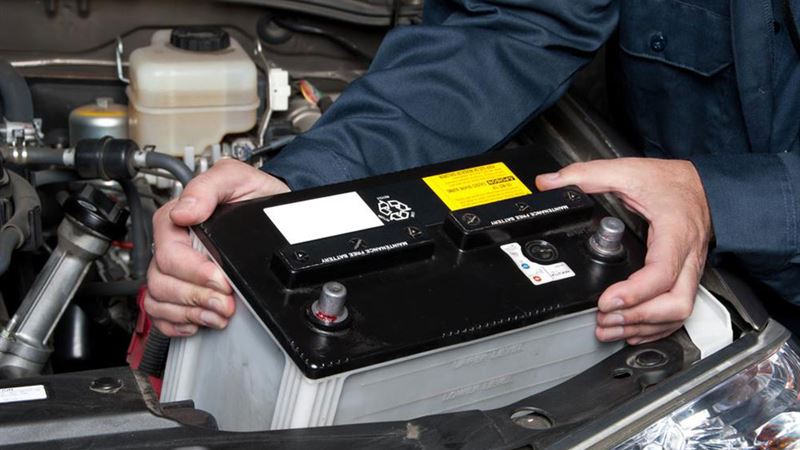
Understanding Battery Types and Their Maintenance Needs
There are mainly two types of automobile batteries: wet cell (flooded lead-acid) batteries and AGM (Absorbed Glass Mat) batteries. Wet cell batteries are the traditional type that requires regular water level checks, while AGM batteries are sealed and maintenance-free. Recognizing your battery type is the first step toward proper maintenance. For wet cell batteries, inspecting water levels every two to three months ensures the internal plates remain submerged and operational. The water level should not touch the bottom of the refill hole, which indicates the correct amount of distilled water has been added. Neglecting this can lead to reduced battery performance and eventual failure.
Cleansing and Protecting Battery Terminals
Corrosion build-up on battery terminals is a common issue that hampers effective electrical contact, leading to starting problems or charging issues. To prevent this, it’s advisable to clean the terminals with a wire brush every six to eight months. Detach the connectors carefully, avoiding undue force to prevent damage. After cleaning, applying a specialized grease designed for high-temperature environments provides a protective barrier against corrosion and rust. Regular cleaning of the battery's top surface and the cables with a mixture of baking soda, water, and a non-metallic brush can remove existing corrosion and keep your battery functioning properly.
Monitoring Voltage Levels Regularly
It’s beneficial to have your battery’s voltage tested periodically, especially during routine vehicle maintenance like oil changes or service appointments. A mechanic can measure the cell voltage using a multimeter, ensuring it remains within the optimal range. If the voltage is low, they can recommend appropriate charging options or replacement products. Consistently monitoring your battery’s health helps preempt potential failures and ensures your vehicle starts smoothly every time.
Using Insulators to Prevent Overheating
Some vehicles are equipped with insulators or protective covers around the battery that shield it from excessive heat, especially in hot climates. Over time, the insulating materials may degrade or dry out, reducing their effectiveness. Regular inspection of these insulators is necessary; if the insulating fluid appears dried or the cover shows signs of damage, replacement should be considered. Proper insulating helps maintain the battery’s temperature, preventing overheating and extending its lifespan.
The Importance of Routine Professional Checks
Apart from individual maintenance steps, it’s vital to have your vehicle inspected by a qualified mechanic at routine intervals. They can perform comprehensive checks, including testing the battery’s health and ensuring that all related components, such as alternators and charging systems, are functioning properly. Professional inspections can detect issues early, saving you from unexpected breakdowns and costly repairs down the line.
Additional Tips for Optimal Battery Care
Always turn off electronics before turning off the engine to prevent unnecessary battery drain. Avoid short trips where the engine doesn't run long enough to recharge the battery fully. Keep your vehicle parked in shaded areas or garages to minimize heat exposure. Using the correct type of charger and avoiding overcharging can also prolong battery life. Remember, a well-maintained battery is essential for starting your vehicle reliably and ensuring all electrical systems operate smoothly.
Final Thoughts: Keep Your Car’s Heart Healthy
Taking proactive steps to maintain your car battery can significantly enhance its longevity and performance. Understanding the differences between battery types, cleaning terminals, protecting against corrosion, monitoring voltage, inspecting insulators, and scheduling regular professional checks are key components of effective battery care. With proper maintenance, you can enjoy hassle-free drives, reduce unnecessary expenses, and extend the life of your vehicle’s vital power source. Stay vigilant and prioritize your car's health for a safer, smoother driving experience.