
Effective Strategies for Naturally Lowering High Blood Pressure
Discover comprehensive strategies to naturally lower high blood pressure through lifestyle modifications. Learn about exercise, diet, sodium reduction, quitting smoking, stress management, and more to improve cardiovascular health and prevent serious health issues. Implementing these practical tips can lead to long-term health benefits and a better quality of life, reducing dependence on medication and lowering the risk of heart disease, stroke, and organ damage.
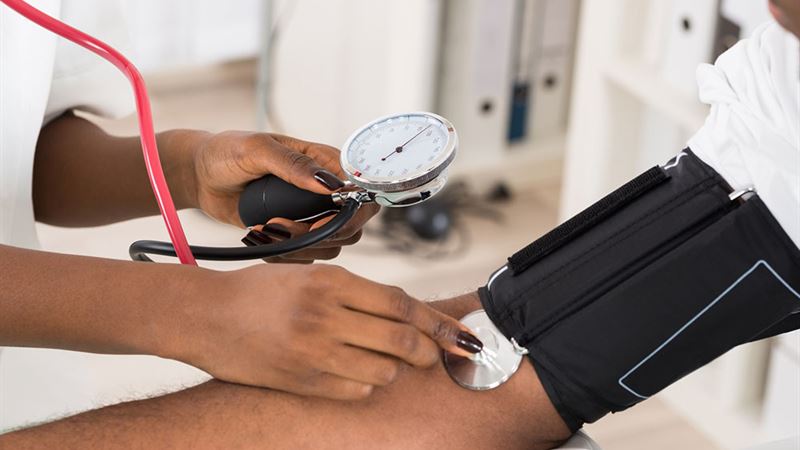
Understanding the Causes of Hypertension
High blood pressure, also known as hypertension, is a prevalent condition affecting millions worldwide. While pinpointing a singular cause remains elusive, medical research highlights several lifestyle, genetic, and environmental factors contributing to its development. Recognizing these causes is essential for effective prevention and management.
- Insufficient physical activity leading to weight gain
- Renal (kidney) dysfunctions impacting blood volume regulation
- Hormonal imbalances involving the thyroid and adrenal glands
- Excessive alcohol consumption beyond moderate levels
- High sodium intake from processed foods
- Sleep disturbances, including sleep apnea
- Chronic conditions like diabetes mellitus
- Tobacco use and smoking habits
- Advanced age, particularly over 65
- Family history of hypertension and cardiovascular diseases
The Dangers and Risks of Uncontrolled Hypertension
Persistent high blood pressure places considerable strain on the cardiovascular system. The heart must work harder to pump blood through narrowed or damaged arteries, which in turn can lead to severe health outcomes. Over time, this increased workload can result in various life-threatening conditions, including:
- Stroke, due to damaged or blocked cerebral arteries
- Arrhythmias, which disrupt normal heart rhythm
- Myocardial infarction (heart attack), caused by blocked coronary arteries
- Progressive loss of vision from retinal damage
- Renal impairment, potentially resulting in kidney failure
Practical and Natural Ways to Lower Blood Pressure
While medication is often necessary for managing severe cases of hypertension, lifestyle modifications can significantly reduce blood pressure levels and decrease reliance on pharmaceuticals. Integrating these habits into daily life can yield long-term health benefits without side effects.
- Engaging in Regular Physical Activity
Physical exercise remains one of the most effective methods for reducing blood pressure naturally. The American Heart Association recommends at least 150 minutes of moderate aerobic activity weekly, which can decrease systolic and diastolic pressures by approximately 5 to 8 mm Hg. Suitable activities include brisk walking, cycling, swimming, dancing, and aerobic classes. Consistency is key to reap the benefits, making regular movement an essential part of a hypertension prevention and management plan.
- Achieving and Maintaining a Healthy Weight
Obesity is directly linked to elevated blood pressure. Men with waist circumferences exceeding 40 inches (102 cm) and women over 35 inches (89 cm) are particularly at risk. Even modest weight loss of about 2 pounds (roughly 1 kilogram) correlates with a 1 mm Hg reduction in blood pressure. Combining dietary control with physical activity facilitates weight management and improves overall cardiovascular health.
- Adopting a Heart-Healthy Diet
The DASH (Dietary Approaches to Stop Hypertension) diet emphasizes fruits, vegetables, whole grains, lean proteins, and low-fat dairy. Rich in potassium, magnesium, and fiber, this diet naturally lowers blood pressure. For instance, bananas, spinach, sweet potatoes, and beans help counteract sodium's effects and promote vasodilation. Studies indicate that adhering to the DASH diet can reduce systolic blood pressure by up to 11 mm Hg, significantly lowering the risk of cardiovascular complications.
- Reducing Sodium Intake
High salt consumption is a major contributor to hypertension. A teaspoon of salt contains about 2,300 mg of sodium, while the recommended daily limit is 1,500 mg for most adults. Cutting down on processed, canned, and fast foods can help achieve this goal. Reading nutrition labels to monitor sodium content and using herbs and spices rather than salt for flavoring are practical strategies to reduce consumption. Lowering salt intake by even a small amount can lower blood pressure by around 5 to 6 mm Hg.
- Managing Alcohol and Caffeine Consumption
Limiting alcohol intake to moderate levels is essential. Women should restrict themselves to one drink per day, whereas men can have up to two. One standard drink equates to 1.5 ounces of spirits, 12 ounces of beer, or 5 ounces of wine. Excessive alcohol intake can elevate blood pressure and negate other healthy lifestyle efforts. Similarly, individuals sensitive to caffeine may experience increases in blood pressure after coffee consumption. Monitoring and moderating caffeine intake can provide additional blood pressure control benefits.
- Quitting Smoking
Beyond its detrimental effects on lung health, smoking damages blood vessels, accelerates atherosclerosis, and raises the risk of heart disease. Quitting smoking leads to immediate and long-term benefits, including reduced blood pressure and decreased risk of strokes and heart attacks. Support groups, nicotine replacement therapy, and counseling can enhance cessation success.
- Stress Reduction Techniques
Chronic stress elevates blood pressure through hormonal pathways, especially when stressors are prolonged or unmanaged. Incorporating relaxation and mindfulness practices such as meditation, deep breathing exercises, yoga, and tai chi can help regulate stress hormones and promote vasodilation. Regular breaks during work, adequate sleep, and engaging in leisure activities contribute to managing stress levels effectively.
In conclusion, managing high blood pressure involves a multifaceted approach. Lifestyle changes such as increased physical activity, improved diet, weight management, sodium reduction, moderation in alcohol and caffeine consumption, quitting smoking, and stress management play pivotal roles. While medications are often necessary for severe cases, adopting these healthy habits can significantly improve health outcomes, reduce medication reliance, and promote a more vibrant life free from cardiovascular risks. Taking proactive steps today can ensure a healthy future with optimal blood pressure control.