
Comprehensive Guide to Advanced Medical Alert Systems for Seniors: Features and Selection Tips
Explore comprehensive medical alert systems for seniors, featuring latest technologies like radar health sensors, GPS tracking, and vital sign monitoring. Learn how to select the best device based on lifestyle, safety features, and budget. Stay informed with brand insights from Tellus You Care, Iveda, and Secom. Ensure your loved one's independence and safety with advanced and reliable solutions designed for various needs, whether at home or on the go. Our guide helps you make the right choice for effective elderly care and emergency preparedness.
Leading Medical Alert Brands and Their Innovations
Among the most prominent companies pioneering advanced senior safety solutions is Tellus You Care. This American company, now expanding to the Japanese market, introduces innovative radar-based health monitoring technology that offers a non-intrusive way to keep tabs on seniors’ vital signs and movements. Their wall-mounted devices operate within a radius of approximately 5 meters, covering a typical bedroom area. These devices detect essential movements, such as getting in and out of bed, or walking around, providing crucial data to caregivers via a mobile app connected through Wi-Fi or cellular networks. This setup allows caregivers immediate access to real-time updates and alerts, ensuring timely intervention in emergencies like falls or health anomalies.
Tellus You Care’s technology is standout because it mirrors the advanced sensor systems used in autonomous vehicles and drones, enabling high accuracy at a relatively low cost. This cost-effective approach makes it an attractive option for eldercare facilities and home care scenarios dedicated to safety and health monitoring.
Another notable player is Iveda, which has introduced innovative wearable technology, particularly the IvedaPinPoint wristwatch by B-Lab. This device collects and transmits detailed data about a senior’s movements and route history, providing caregivers with comprehensive insights into activity patterns, helping foster safe boundaries and detect prolonged inactivity or uncharacteristic behavior. The wristwatch also continuously monitors core vital signs such as body temperature, offering a holistic view of the senior’s health status. When a senior remains immobile for an extended period, the device triggers an alert to alert family members or caregivers, facilitating prompt assistance.
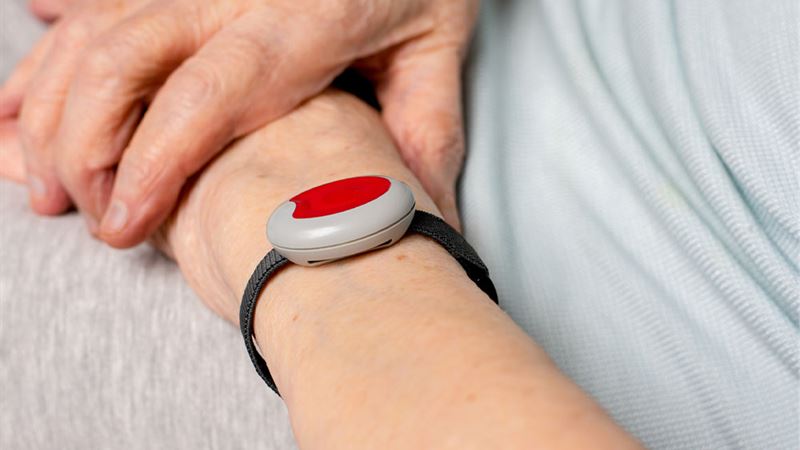
Secom, a renowned security service provider, has developed the My Doctor Watch, a smart wristband tailored for seniors requiring regular monitoring and emergency support. The device tracks steps, calculates calories burned, and is equipped with an emergency squeeze button that alerts caregivers or family members immediately when pressed. Additionally, Secom offers a pendant device for situations where quick assistance is critical. This wearable provides a layered approach to safety by combining health tracking, emergency alert capabilities, and ease of use.
Different Types of Medical Alert Systems
In-Home Medical Alert Systems
Designed specifically for use within the home environment, these systems typically operate over a large signal range that can cover entire houses, including yards in some cases. They often include base units connected through landlines or internet, and wearable devices such as buttons, pendants, or wristbands that seniors can activate in emergencies. These systems are suitable for seniors who primarily stay indoors, providing reliable communication at the push of a button.
Mobile Medical Alert Systems
For seniors who are frequently outside, active, or traveling, mobile medical alert solutions are essential. These devices utilize cellular networks, making them independent of landline connections. They come in various wearable formats such as necklaces, wristwatches, or bracelets, all equipped with emergency buttons that, when pressed, send instant alerts to caregivers or emergency services. GPS tracking features in these devices add an extra layer of safety, allowing real-time location monitoring and speedy assistance, no matter where the senior happens to be.
All-in-One Medical Alert Systems
This versatile category combines features from both in-home and mobile systems, delivering comprehensive safety coverage. They are particularly suitable for active seniors who move between home and outdoor environments and for those requiring continuous health monitoring. These systems usually include wearable devices with GPS, fall detection, vital sign sensors, and Emergency response features, offering a seamless safety net in any situation.
Key Considerations When Choosing a Medical Alert System
Prior to purchasing a medical alert system, it's crucial to evaluate several factors to ensure the device aligns with the senior’s lifestyle, health needs, and safety requirements:
- Budget - Determine a clear budget, as prices can range widely based on features. More sophisticated systems with advanced sensors and connectivity tend to be more expensive. Comparing options within your financial limits ensures value for money without compromising essential features.
- Type of System - Depending on whether the senior spends most of their time indoors, outdoors, or frequently travels, select a suitable system. In-home systems are ideal for stationary seniors, while mobile options serve active individuals better.
- Monitoring and Alert Preferences - Decide if the system should prioritize direct emergency communication (like a panic button to call emergency services) or alert caregivers and family members via notifications. Some systems include automatic fall detection and vital sign alerts, adding layers of safety.
- User-Friendliness - Opt for devices with intuitive interfaces, easy activation, and minimal maintenance to ensure seniors can operate them effortlessly.
- Connectivity and Compatibility - Ensure the system is compatible with existing home internet or cellular networks and can integrate with other health-monitoring devices if needed.