
Emerging Landscaping Trends for 2024: Innovations and Eco-Friendly Designs
Explore the top landscaping trends of 2024, emphasizing sustainability, smart technology, and innovative outdoor designs. Learn how eco-friendly practices, native plants, and modern tech can transform your outdoor space into a beautiful, functional oasis while supporting environmental health and conservation efforts. Discover ideas to create versatile outdoor living areas, incorporate naturalistic elements, and adopt water-saving solutions for a greener, more sustainable landscape.
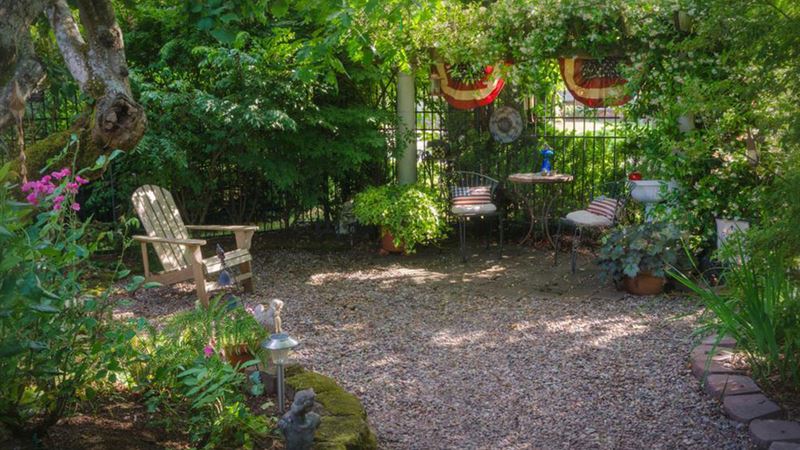
As we move further into 2024, the world of landscaping continues to evolve, embracing new technologies, sustainable practices, and innovative design trends. The focus remains on creating aesthetically pleasing, functional, and environmentally responsible outdoor spaces. From integrating advanced smart technology to adopting eco-conscious plantings and designing versatile outdoor living areas, landscapers and homeowners alike are reimagining what outdoor environments can be. This comprehensive guide explores the most prominent landscaping trends shaping 2024, offering insights into how you can incorporate these ideas into your own outdoor projects.
Among these trends, sustainability and eco-friendliness take center stage. The push towards greener landscapes aims to minimize environmental impact while enhancing the natural beauty of outdoor spaces. Native plants, water-efficient systems, and organic garden practices are increasingly popular. Additionally, the use of smart technology is revolutionizing how landscapes are maintained, enabled by IoT devices, automated irrigation, and energy-efficient lighting—all designed to optimize resource use and promote ecological balance.
- Eco-Conscious Landscaping Solutions
In 2024, environmental sensitivity influences every aspect of landscape design. Incorporating native flora is more than just a trend; it's a sustainable choice that supports local ecosystems, preserves biodiversity, and reduces water consumption. Using organic fertilizers and pest control methods minimizes chemical runoff, ultimately protecting soil and water quality. Elements like rain gardens, permeable pavements, and green roofs are becoming common features that help manage stormwater runoff and reduce urban heat islands. These practices not only create beautiful outdoor environments but also contribute positively to the planet’s health. - Smart Technology Integration
Advances in smart technology are making landscape management more efficient and environmentally friendly. Automated irrigation systems equipped with weather data and soil moisture sensors ensure plants receive precise hydration, eliminating water waste. Lighting controls activated by motion sensors or timers enhance nighttime aesthetics while conserving energy. Soil health sensors monitor nutrient levels, enabling targeted fertilization. Wireless connectivity allows homeowners and landscapers to control systems remotely via apps, providing convenience and optimal results. While these innovations can involve significant upfront investment, the long-term savings and environmental benefits are substantial. - Designing Functional Outdoor Living Spaces
Creating versatile outdoor zones remains a top priority in 2024. With more people seeking to extend their living spaces outdoors, patios, kitchens, lounges, and even outdoor offices are gaining popularity. These spaces emphasize comfort, durability, and wild aesthetic appeal. Sustainable outdoor furniture crafted from weather-resistant, eco-friendly materials supports longevity without harming the environment. Incorporating features like fire pits, water features, and shaded pergolas transforms underused yards into inviting retreats. Thoughtful design allows families to enjoy their yards year-round, blending functionality with natural beauty. - Naturalistic and Minimalist Landscape Designs
The minimalist aesthetic continues to dominate, emphasizing simplicity, clean lines, and natural materials. This approach often combines native plants with naturalistic landscaping, creating a seamless blend of built and natural environments. Organic shapes, stone pathways, and unmanicured lawns foster a relaxed, calming atmosphere. This design philosophy reduces maintenance needs and creates habitats favorable to local wildlife, all while maintaining an elegant and uncluttered appearance. - Emphasizing Water Conservation and Rainwater Harvesting
Water efficiency remains a key concern in sustainable landscaping. Installing rain barrels, constructing rain gardens, and using drought-tolerant plants help reduce dependence on municipal water systems. Smart irrigation systems tied to weather forecasts further optimize water use. These methods not only conserve a vital resource but also lower utility bills and promote resilient landscapes that can withstand dry spells and climate variations. - Urban Landscaping and Vertical Gardens
Urban environments benefit greatly from innovative landscaping techniques like vertical gardens and green walls. These features maximize limited space while adding aesthetic appeal and improving air quality. Using modular planters and lightweight materials makes installation straightforward, whether on building facades, balconies, or small backyard walls. Vertical gardens provide insulation benefits and foster biodiversity, turning even small city plots into lush, green environments.
In conclusion, 2024's landscaping trends focus heavily on sustainability, technological integration, and functional design. Implementing eco-friendly practices and smart solutions not only enhances the beauty and usability of outdoor spaces but also plays a vital role in environmental preservation. Whether you’re considering a complete overhaul or simple upgrades, these trends offer plenty of inspiration for creating vibrant, responsible, and captivating landscapes that stand the test of time.