
Comprehensive Guide to Designing and Creating Your Own Backyard Landscape
Discover how to craft a stunning, functional backyard landscape with expert tips on hardscaping, soil preparation, plant selection, and outdoor living features. Transform your outdoor space into a personal sanctuary that offers beauty, convenience, and year-round enjoyment, all tailored to your needs and style.
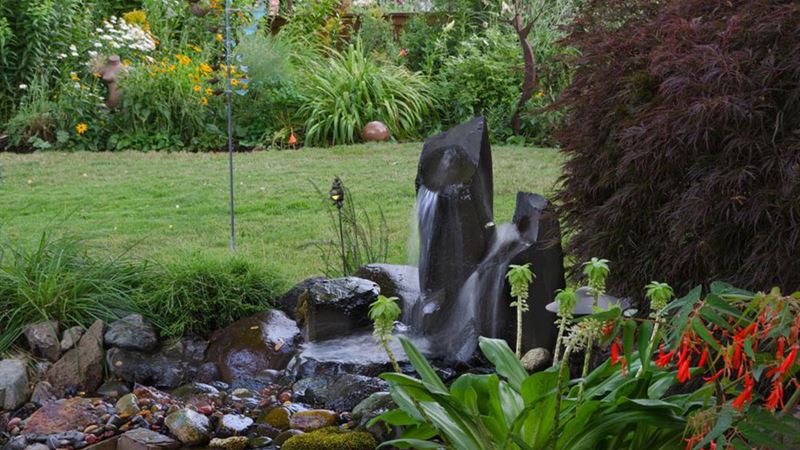
Embarking on a backyard transformation can be an exciting yet daunting task. Whether you aim to craft a tranquil retreat or an inviting outdoor entertainment space, thoughtful planning and execution are key. Your outdoor area is an extension of your home, offering a sanctuary for relaxation, recreation, and social gatherings. A well-designed landscape not only enhances the aesthetic appeal but also boosts your property's value and functionality. This comprehensive guide will walk you through the essential steps to create a stunning, functional, and personalized backyard landscape that meets your needs and exceeds your expectations.
First, start with a clear vision. Determine the purpose of your backyard—whether it's for entertaining, gardening, play areas for children, or a peaceful retreat. Understanding your primary needs will help shape your design plan, select appropriate plants and features, and allocate your budget efficiently.
Planning and Design: Successful landscaping begins with meticulous planning. Measure your space to understand its dimensions and note existing features such as trees, slopes, and structures. Consider the climate and soil type in your area, which influence plant choices and construction methods. Sketch out a rough layout, emphasizing zones like entertainment areas, planting beds, pathways, and utility zones.
Incorporate elements that enhance both beauty and practicality. For example, define clear borders for flower beds and lawns using edging materials such as bricks, stones, or metal. Think about traffic flow and accessibility—paths should connect different zones seamlessly without disrupting the overall harmony.
Hardscaping First: Prioritize hardscape features, as they form the backbone of your landscape. Install features like patios, decks, walkways, fences, retaining walls, and fire pits before planting. Hardscaping involves significant construction work, often disturbing the soil and existing vegetation, so it's best to complete these tasks early. Use durable materials such as concrete, stone, brick, or pavers to ensure longevity and visual appeal. Harmonize textures and colors with your overall design to create a cohesive look.
Consider the placement of functional elements like driveways, parking areas, and outdoor kitchens to optimize space and convenience. Elevated or sunken decks can add dimension, while pergolas or arbors can provide shade and focal points.
Preparing the Soil: Healthy plant growth depends on rich, well-drained soil. Before planting, amend the soil by adding organic matter such as compost, peat moss, shredded pine bark, or mushroom compost. This boosts fertility, improves moisture retention, and promotes vigorous root development. Use a garden fork or rototiller to mix amendments thoroughly, ensuring uniform enrichment throughout your beds.
Define your planting areas clearly. Use garden hoses to lay out beds and pathways, then mark them with spray paint to visualize the final design. This step helps prevent mistakes and makes planting more precise.
Choosing and Planting Vegetation: Select plants suited to your local climate, soil, and sunlight conditions. Incorporate a mix of trees, shrubs, perennials, and groundcovers to create layered, textured landscapes. Native plants are often low-maintenance and eco-friendly choices. Plan for seasonality to ensure year-round interest through flowering, foliage, or structural features.
Plant according to recommended spacing and depth. Water thoroughly after planting and mulch to conserve moisture, suppress weeds, and regulate soil temperature. Regular watering, pruning, and fertilizing will help your landscape thrive.
Outdoor Living Spaces: Create inviting areas to relax and entertain outside. Install decks or patios with comfortable furniture, outdoor rugs, and lighting. Incorporate shade structures like umbrellas or pergolas for comfort during hot days. For added privacy and aesthetic appeal, plant tall shrubs or install wooden fencing around the perimeter.
Design zones for specific activities like dining, lounging, or children’s play. Fire pits or outdoor fireplaces add a cozy ambiance and serve as focal points. Consider outdoor kitchens or grilling stations to elevate your cooking experience while keeping heat out of the indoors. Place these features strategically near seating and prep areas for convenience.
Lighting is essential for extending usability into evening hours. Use pathway lights, spotlights on trees, and string lights to create a warm, inviting atmosphere. Low-voltage LED lighting is energy-efficient and easy to install.
Incorporate water features such as ponds, fountains, or waterfalls to add tranquility and attract wildlife. These elements serve as beautiful focal points and enhance the sensory experience of your outdoor space.
Maintenance Considerations: Design your landscape for ease of upkeep. Choose plants that match your maintenance level and prune regularly to keep the site tidy. Keep irrigation systems efficient with drip lines or sprinklers, and plan for seasonal cleanup and pruning tasks. An organized approach ensures your backyard remains beautiful throughout the year.
Final Touches: Add decorative elements like sculptures, planters, or garden art to personalize your space. Incorporate organic elements such as rocks, logs, or native plants to connect with nature. Use seasonal flowers and planting schemes to keep your landscape vibrant and attractive.
Achieving a stunning backyard landscape requires patience, planning, and creativity. By following these steps—starting with solid hardscape structures, preparing fertile soil, choosing suitable plants, and designing inviting outdoor living areas—you can transform your backyard into an idyllic sanctuary tailored to your lifestyle. Remember, regular maintenance and thoughtful updates will keep your landscape looking fresh and enjoyable for years to come. With dedication and vision, your dream outdoor space can become a reality that enhances your home's beauty and functionality.