
Essential Guide to Maintaining Optimal Tire Pressure for Safety and Efficiency
Maintaining optimal tire pressure is vital for vehicle safety, fuel efficiency, and tire longevity. Regular checks prevent uneven wear, reduce risks of tire failure, and ensure responsive handling. Adhering to manufacturer guidelines and scheduling routine inspections after five years helps extend tire lifespan, while proper wheel alignment further enhances tire health and driving comfort. This comprehensive guide provides essential tips and insights to keep your tires in top shape, ensuring safer journeys and saving money over time.
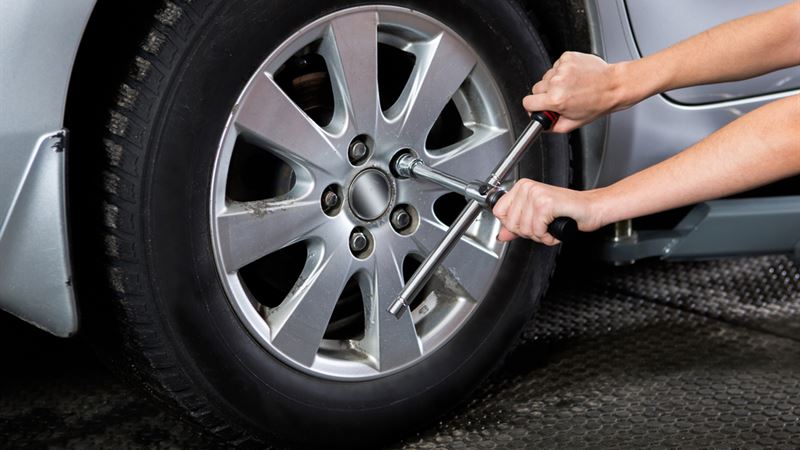
Impact of Incorrect Tire Pressure on Fuel Consumption
Maintaining the correct tire pressure is crucial for optimizing fuel economy. When your tires are underinflated, they create more rolling resistance against the road surface, requiring the engine to exert more effort to move the vehicle. This increased effort results in higher fuel consumption. Conversely, overinflated tires can reduce rolling resistance temporarily but may lead to uneven tire wear and compromised safety. Therefore, proper inflation not only conserves fuel but also extends the lifespan of your tires.
Ensuring Vehicle Safety with Proper Tire Inflation
Optimal tire pressure ensures that your vehicle responds accurately to steering, acceleration, and braking commands. Underinflated tires can decrease responsiveness and increase the risk of tire blowouts, especially at high speeds. Overinflation, on the other hand, can make the ride harsher, reducing traction and increasing the chances of losing grip during sudden maneuvers. Maintaining the right pressure is vital to ensure safe handling and to prevent accidents caused by tire failure or reduced control.
Impact of Improper Tire Pressure on Tire Durability
Both underinflation and overinflation accelerate tire wear. Underinflated tires tend to wear out more rapidly on the outer edges due to increased contact with the ground, leading to uneven and premature tire deterioration. Overinflated tires, which are inflated beyond recommended levels, tend to wear more in the center of the tread. Regularly checking and maintaining the correct pressure prevents uneven wear patterns, thus extending the service life of your tires and saving you money in the long run.
Determining the Correct Tire Pressure for Your Vehicle
Every vehicle has a recommended tire pressure level, usually listed in the owner’s manual or on a sticker located on the driver’s side door frame. Adhering to these guidelines ensures your tires perform optimally under various driving conditions. The right pressure balances ride comfort, fuel efficiency, tire lifespan, and safety. Avoid guesswork by routinely verifying tire pressure, especially before long trips or during extreme weather conditions.
How to Properly Maintain Tire Pressure
Since tires naturally lose pressure over time, regular checks are essential to prevent underinflation. It’s advisable to check your tire pressure at least once a month and before any long journey. Use a reliable pressure gauge and compare the readings against the manufacturer’s recommended levels. When measuring, check all four tires to ensure uniform pressure, as discrepancies can indicate other issues such as leaks or valve problems. Additionally, inspect tires for irregularities like cuts, cracks, bulges, or embedded objects that might cause sudden pressure drops and safety hazards.
Understanding Tire Lifespan
Variability in Tire Lifespan
Tire longevity depends on multiple factors, including driving habits, road conditions, climate, maintenance routines, and tire quality. There’s no fixed timeframe for tire lifespan because usage environments and driving styles vary greatly. For example, tires designed for highway driving may not last long in off-road or harsh terrains. Generally, most tires are considered to have an average lifespan of about five years from the date of manufacture, but this can vary based on upkeep and driving conditions.
Regular Inspections After Five Years
It is recommended to have your tires professionally inspected at least once a year after they reach the five-year mark, regardless of apparent wear. An expert can assess internal and external damage, check tread depth, and identify potential risks early. Regular maintenance helps detect issues like internal deterioration or subtle damages that are not visible to the naked eye, thereby preventing potential blowouts or accidents.
Maximum Tire Life Expectancy
Most manufacturers advise replacing tires after ten years of usage, even if they appear to be in good condition. Wear and tear, exposure to elements, and material aging can compromise the structural integrity of tires. Wearing down past this threshold increases the risk of dangerous failures. Regularly monitoring tread depth and sidewall condition, along with professional assessments, are vital in making timely replacement decisions.
The Significance of Wheel Alignment
Proper wheel alignment plays a crucial role in tire health. Misaligned wheels cause uneven contact with the road, leading to rapid and uneven tire wear. Even with correct tire pressure, improper alignment can reduce tire lifespan, diminish fuel efficiency, and impair vehicle handling. It is advisable to have your wheel alignment checked every six months or whenever you notice steering issues, unusual tire wear, or after impact from potholes or curbs. Correct alignment not only enhances safety but also contributes to a smoother, safer ride and reduces long-term maintenance costs.