
Effective Strategies for Feeding Cats Without Encouraging Overindulgence
Discover effective methods for feeding your cat responsibly, balancing healthy diet transitions with treat moderation. Learn how to encourage appetite and prevent overfeeding with practical tips for a happier, healthier feline life.
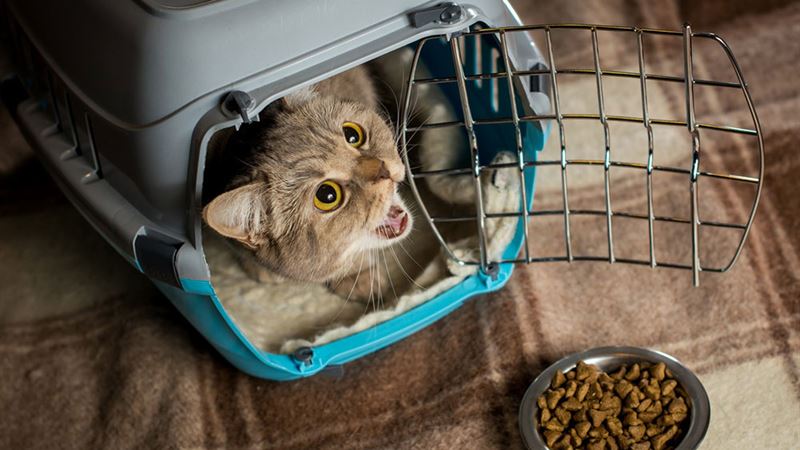
Feeding cats in a way that maintains their health while preventing overindulgence can be a delicate balancing act. Cats, known for their particular tastes and sometimes stubborn eating habits, often require a strategic approach to transition them smoothly onto healthier diets or new food types. Understanding how to encourage acceptance without spoiling their natural appetite or making them overly dependent on treats is essential for responsible pet ownership. This comprehensive guide will explore various techniques and insightful tips on how to serve your feline friend nutritious meals, manage their treat intake, and avoid excessive indulgence, all while keeping their preferences in check.
Transitioning a cat to a new diet should be a gradual process. Sudden changes can upset their digestive system and lead to refusals or gastrointestinal issues. Therefore, blending their existing favorite foods with new, healthier options over several days can effectively introduce the new diet without causing stress or rejection. For example, mixing a small amount of high-quality wet food into their regular bowl can mask unfamiliar flavors, making the transition smoother. Over time, you can increase the proportion of healthy food, allowing your cat to adapt comfortably to the new diet.
- Use Flavor Enhancers Wisely
Adding a splash of low-sodium chicken broth can significantly make meals more appealing, especially for cats that are unenthusiastic about their food. Chicken broth acts as a flavor booster, enticing cats to eat and making their meals more palatable. It’s akin to how ketchup enhances human meals — a simple and effective way to encourage eating without compromising dietary goals. Just ensure the broth is free of additives and salts that could harm your pet.
- Eliminate Table Scraps
Feeding your cat table scraps might seem harmless but can unintentionally foster picky eating habits or preferences for overly flavorful human food. This can interfere with their acceptance of specially formulated cat foods, which are designed to meet their nutritional needs. To foster healthy eating habits, it’s advisable to cease giving leftover human food and stick to dedicated feline meals. If you wish to improve their diet, consult with your veterinarian to identify appropriate, nutritious options that will satisfy their palate and nutritional requirements.
- Control Treat Consumption
Treats are a common way to bond and reward your cat; however, excessive treat feeding can diminish their appetite for regular meals. Cats may come to rely on treats as a primary source of satisfaction, refusing to eat their scheduled meals. To prevent this, establish strict limits on treat quantities and schedule treats intermittently, rather than throughout the day. This encourages your cat to look forward to meal times rather than using treats as a crutch for hunger.
Design a consistent feeding routine, ensuring portions are appropriate — neither too large nor too small. Incorporate healthy, low-calorie treats sparingly to preserve their dietary balance. Remember, moderation is key in maintaining a healthy weight and preventing overfeeding. For additional guidance, research online to discover a balanced diet plan suitable for your cat’s age, breed, and health conditions. Following these dietary strategies will help keep your feline companion happy, healthy, and well-nourished without the pitfalls of overindulgence.