
Essential Strategies to Minimize Infection Risks in Healthcare Settings
This comprehensive guide offers vital strategies for preventing infections within healthcare facilities. Emphasizing hand hygiene, proper use of protective gear, device sterilization, and environmental cleaning, it provides practical insights for healthcare workers and visitors alike. Implementing these measures can significantly reduce hospital-acquired infections, safeguarding both patients and staff. The article highlights the importance of a collaborative approach and ongoing education in infection prevention, empowering hospitals to create safer environments and improve overall patient outcomes.
Understanding Infection Transmission in Hospitals
Infections in hospital settings primarily occur through contact with contaminated surfaces, healthcare personnel, or invasive procedures. The common carriers include patients, visitors, and staff members, all of whom can inadvertently facilitate microbial transmission. Pathogens such as bacteria, viruses, and fungi can thrive on various surfaces, including bed linens, medical devices, and even the air within hospital wards. Recognizing these transmission routes helps in designing targeted prevention strategies to interrupt the spread of infectious agents.
Importance of Rigorous Hand Hygiene
One of the most effective and simple measures to prevent infection is hand hygiene. Proper handwashing with soap and water or the use of alcohol-based sanitizers can drastically cut down the microbial load on hands. Healthcare workers and visitors should be reminded to disinfect their hands before and after patient contact, after touching potentially contaminated surfaces, and before performing any invasive procedures. Installing hand sanitizing stations at strategic points throughout the hospital further encourages regular use and compliance.
Personal Protective Equipment (PPE) Usage
The correct use of PPE, including masks, gloves, gowns, and shields, is vital in minimizing the risk of cross-contamination. Healthcare providers should wear surgical masks and gowns when attending to patients, especially those with contagious diseases. Disposable gloves should be changed between patient interactions, and sterile gloves used during invasive procedures. Proper donning and doffing techniques are essential to prevent self-contamination and environmental spread of pathogens.
Sterilization and Disinfection of Medical Devices
Ensuring that medical instruments and devices are thoroughly sterilized is critical in infection control. Items such as stethoscopes, thermometers, and catheters must be disinfected regularly using appropriate agents like alcohol wipes or autoclaves. Single-use disposable equipment is preferred wherever feasible to eliminate cross-contamination risks. Healthcare facilities should establish strict protocols for the cleaning, sterilization, and maintenance of all medical tools.
Environmental Cleaning and Air Quality Control
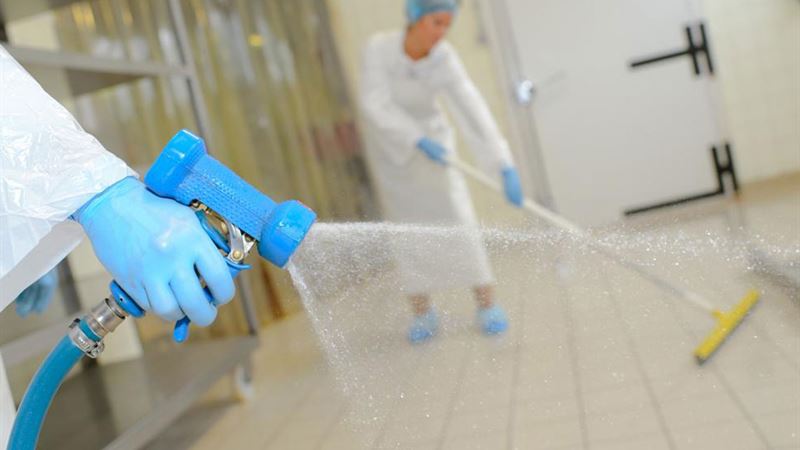
Routine cleaning of hospital environments with EPA-approved disinfectants helps eliminate surface microorganisms. Special attention should be given to high-touch areas, including doorknobs, bed rails, and shared equipment. Proper ventilation and air filtration systems reduce airborne microbial load, decreasing the risk of respiratory infections. Implementing HEPA filters and maintaining adequate airflow are effective measures for infection prevention.
Patient Safety and Education
Educating patients and visitors about infection prevention policies fosters a culture of safety. Patients should be informed on the importance of hygiene, proper wound care, and adherence to isolation protocols if necessary. Visitors should follow hospital guidelines to prevent inadvertently introducing or spreading infections. Healthcare providers should regularly update their training on the latest standards and best practices in infection control.
Implementing Comprehensive Infection Control Programs
Hospitals must develop and maintain robust infection control programs that include surveillance, staff training, and compliance monitoring. Regular audits and feedback mechanisms help identify vulnerabilities and reinforce adherence to protocols. Multidisciplinary teams comprised of infection prevention specialists, clinicians, and housekeeping staff collaborate to sustain a safe environment for all.
Conclusion: A Collective Responsibility
Preventing infections in hospitals requires a concerted effort from healthcare professionals, patients, and visitors. By understanding transmission mechanisms and following strict hygiene and sterilization procedures, hospitals can significantly reduce infection rates. Emphasizing ongoing education, safety protocols, and environmental hygiene forms the foundation of effective infection control. Remember, prevention is always preferable to treatment, and every individual's participation is crucial in maintaining a healthy, safe hospital environment.