
Essential Strategies to Prevent Hand, Foot, and Mouth Disease in Children and Adults
This extensive guide offers vital information on preventing hand, foot, and mouth disease, emphasizing hygiene, early recognition, and management strategies. With no specific cure or vaccine, proactive measures such as frequent handwashing, disinfection, and avoiding contact with infected persons are essential. The article highlights symptom identification, supportive care tips, and community health practices to help reduce the spread of HFMD, especially among children during peak seasons. Stay informed with expert-recommended precautions to protect yourself and your loved ones from this highly contagious illness.
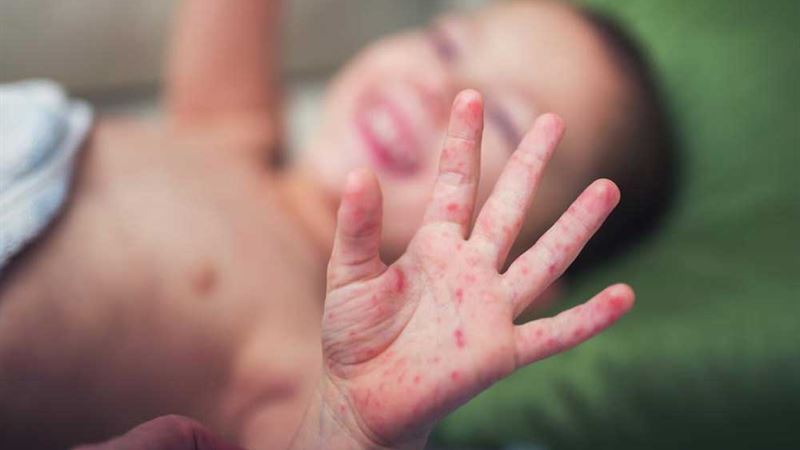
Hand, foot, and mouth disease (HFMD) is a common viral illness that predominantly affects young children but can also infect adults. It typically occurs during warm seasons such as summer and early autumn, posing significant health concerns in communal settings like schools, daycare centers, and households. Recognizing the symptoms early and adopting effective preventive measures are critical to limiting the spread of this highly contagious disease. This comprehensive guide delves into the causes, symptoms, prevention tactics, and management strategies associated with HFMD to help parents, caregivers, and individuals protect themselves and their loved ones.
HFMD is caused by enteroviruses, primarily coxsackievirus A16 and enterovirus 71, which spread through contact with infected saliva, nasal secretions, blister fluid, and feces. The virus is quite resilient, capable of surviving on surfaces for hours to days, making hygiene practices essential for prevention. Although the disease is generally mild and resolves within a week to ten days, complications such as dehydration and secondary bacterial infections can occur if not properly managed. Currently, there is no specific antiviral treatment or vaccine for HFMD, which underscores the importance of preventive behaviors and symptomatic care to manage the illness effectively.
The hallmark signs of HFMD include fever, sore throat, and lethargy, often appearing within 3-5 days after exposure. As the disease progresses, painful blisters may develop inside the mouth, on the tongue, and along the gums, causing discomfort and difficulty in eating or drinking. Skin rashes usually appear on the palms of the hands, soles of the feet, elbows, knees, buttocks, and legs; these rashes may evolve into fluid-filled blisters. Some individuals, especially adults and immunocompromised persons, may experience mild symptoms or remain asymptomatic, but they can still transmit the virus to others.
Preventing the spread of HFMD requires diligent adherence to hygiene and sanitation practices. Since the virus transmits easily through close contact, environmental contamination, and infected bodily fluids, implementing the following measures is crucial:
- Assist infected children in remaining home until full recovery to prevent spreading the virus to classmates and peers. The infectious period often coincides with the presence of active blisters and oral sores.
- Emphasize frequent handwashing with soap and water, especially after diaper changes, using the restroom, or touching contaminated surfaces. Hand hygiene is the cornerstone of HFMD prevention.
- Disinfect toys, bedding, furniture, and other household items regularly, especially if someone in the household exhibits symptoms of infection.
- Avoid close physical contact such as kissing, hugging, or sharing utensils with infected individuals to minimize transmission risk.
- When traveling to regions with high incidence rates of HFMD, adopt stringent personal hygiene practices, including avoiding sharing drinks or food, and disinfecting personal items frequently.
- Disinfect clothing, towels, and bedding used by infected persons before washing. Use hot water and appropriate disinfectants to eliminate the virus effectively.
- Encourage children to avoid outdoor play and contact with other children if they show symptoms or have been recently exposed to the virus.
- Educate caregivers and parents about recognizing early signs of HFMD to ensure prompt action and prevent outbreaks.
While HFMD is self-limiting, supportive care plays a vital role in easing discomfort and preventing complications. Ensuring that children stay well-hydrated is paramount, especially when oral lesions make swallowing painful. Offering cool drinks, popsicles, and soft foods can help maintain nutritional intake. Over-the-counter medications like acetaminophen or ibuprofen may be used to reduce fever and alleviate pain. Observing the child for signs of dehydration, such as dry mouth, sunken eyes, and decreased urination, is important, and prompt medical attention should be sought if symptoms worsen.
In terms of prevention and community health management, health authorities emphasize educational campaigns aimed at informing the public about transmission risks and hygiene practices. Prompt reporting of HFMD cases helps health officials monitor outbreaks and implement targeted interventions. Vaccination development is ongoing for some strains, but current focus remains on strict hygiene, handwashing, and environmental sanitation as the most effective means to curb the spread of HFMD.
In conclusion, while hand, foot, and mouth disease remains a common childhood illness, understanding its transmission mechanisms and implementing comprehensive preventive measures can significantly reduce infection rates. Parents, educators, and caregivers must work together to promote proper hygiene, isolate affected individuals, and maintain clean environments to safeguard health and prevent unnecessary outbreaks. Staying informed and vigilant is essential to controlling this contagious disease and protecting vulnerable populations from its impact.