
Comprehensive Strategies for Preventing Viral Infections
This comprehensive guide explores effective methods to prevent viral infections, including vaccines, passive immunizations, antiviral medications, and lifestyle practices. Understanding these strategies enables individuals and communities to reduce the risk of infection, enhance immunity, and control outbreaks through combined efforts of immunization, medication, and environmental hygiene. Stay ahead of viral threats with practical, scientifically backed prevention techniques that safeguard health and public safety.
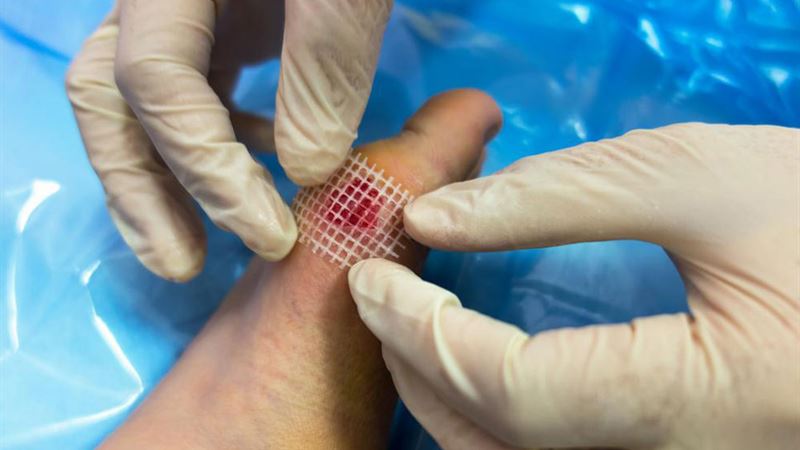
Protecting yourself from viral infections requires a multifaceted approach that combines immunization, medicinal intervention, and environmental control. To effectively prevent the spread of viruses, it is crucial to understand the various preventive methods, including vaccines, passive immunizations, antiviral treatments, and lifestyle practices. This article offers an in-depth exploration of these strategies to help you stay safe and boost your immune defense against a wide array of viral threats.
Immunoprophylaxis, commonly known as vaccination, is one of the most effective tools in preventing viral infections. Medical professionals recommend specific vaccines that target prevalent viruses, thereby reducing the likelihood of infection and transmission. These vaccines stimulate the immune system to recognize and fight particular viruses, providing a protective barrier for individuals and communities alike. Exploring the types of vaccines available and understanding their mechanisms can empower you to make informed decisions about your health.
Active immunization involves the administration of vaccines that introduce weakened, killed, or recombinant viral components into the body. These stimulate the immune system to produce targeted antibodies, offering long-term immunity against illnesses such as influenza, hepatitis, and measles. The effectiveness rate of vaccines varies but generally offers around 90% protection, significantly reducing disease prevalence and severity. It's essential to stay updated with vaccination schedules to maintain optimal immunity.
Passive immunization, on the other hand, provides immediate but temporary protection through the administration of pre-formed antibodies. This method is particularly useful for individuals who have been exposed to certain viruses or are at high risk of severe infection, such as healthcare workers or immunocompromised persons. Since the antibodies are produced externally—typically in animals or human donors—they offer quick immunity without stimulating the body's immune response directly. However, this protection diminishes over time, requiring repeat doses for ongoing protection.
In addition to immunizations, antiviral medications play a vital role in managing viral infections. These agents are classified into several categories based on their modes of action. Virucidal agents work by directly destroying the virus particles, rendering them inactive. Antiviral drugs interfere with various stages of the viral life cycle, such as attachment, entry, replication, or release from host cells, thereby curbing the infection's progression. Immunomodulators modulate the host's immune response to enhance viral clearance, which is especially useful in persistent or severe cases.
Currently, ongoing research and clinical trials are focusing on developing new and more effective antiviral agents. These include drugs that can target resistant strains and offer fewer side effects. The key challenge lies in balancing efficacy with safety, as many of these agents are still in the experimental phase but hold promise for future therapeutic options.
Interferon therapy is another potent tool employed in combating certain viral infections. Interferons are naturally occurring proteins that cells produce in response to viral invasion. Synthetic or recombinant interferons mimic this action, enhancing the body's ability to fight viruses such as hepatitis B and C, multiple sclerosis, and certain types of cancer. By interfering with viral replication and stimulating immune cells, interferon therapy provides an additional layer of defense, especially when vaccines are unavailable or ineffective.
Preventing viral infections also involves practical lifestyle adjustments aimed at reducing exposure. Good sanitation practices, such as frequent hand washing with soap, proper food handling, and maintaining a clean environment, can significantly lower the risk of virus transmission. In addition, wearing masks in crowded or high-risk areas, ensuring adequate ventilation, and avoiding contact with infected individuals are crucial steps in minimizing airborne or contact-based infections.
Moreover, public health initiatives play a pivotal role in controlling viral outbreaks on a larger scale. Strategies such as mass vaccination campaigns, health education programs, and environmental sanitation measures contribute to reducing disease incidence. Quarantine and isolation protocols for infected individuals help prevent the spread within communities, especially for highly contagious viruses like influenza, COVID-19, and others.
While vaccination remains the cornerstone of viral prevention, combining it with antiviral treatments, personal hygiene, and environmental controls provides a comprehensive shield against viral pathogens. Staying informed about emerging viruses and new medical developments ensures that individuals and communities can adapt their preventive strategies effectively. Ultimately, a proactive, informed approach integrating medical, behavioral, and environmental measures can significantly reduce the impact of viral infections worldwide.