
Effective Strategies for Managing Cholesterol Levels Naturally
Learn how to effectively manage your cholesterol naturally through dietary adjustments, lifestyle changes, and medical strategies. This guide provides practical tips on foods to eat and avoid, exercise routines, and health habits to improve heart health and prevent cardiovascular issues. Discover how small changes can make a significant difference in controlling cholesterol and enhancing overall well-being.
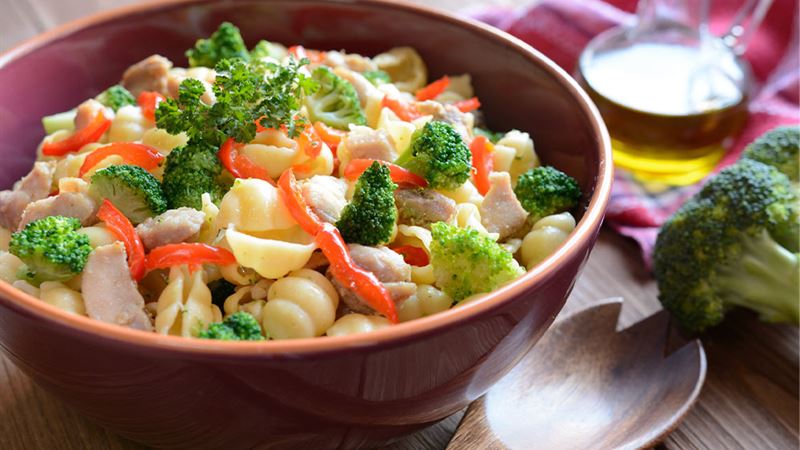
High cholesterol levels are a widespread concern affecting millions worldwide, increasing the risk of heart disease, stroke, and other cardiovascular issues. Managing cholesterol effectively involves a combination of lifestyle modifications, dietary adjustments, and, in some cases, medication. This comprehensive guide explores proven methods to control cholesterol levels naturally, leading to healthier living and reduced health risks.
**Understanding Cholesterol and Its Impact**
Cholesterol is a waxy, fat-like substance found in your blood, essential for building healthy cells. However, excess amounts can lead to buildup in arterial walls, narrowing arteries, and impeding blood flow. Low-density lipoprotein (LDL), often called 'bad' cholesterol, contributes to plaque formation, while high-density lipoprotein (HDL), known as 'good' cholesterol, helps remove LDL from the bloodstream.
Addressing high cholesterol requires a multifaceted approach aimed at balancing these levels to promote cardiovascular health.
**Dietary Changes for Better Cholesterol Management**
Food choices play a pivotal role in controlling cholesterol levels. Making conscious decisions about what we eat can significantly influence our health.
【Include More Heart-Healthy Foods】
Incorporate foods rich in soluble fiber, such as oats, beans, lentils, fruits, and vegetables. Soluble fiber binds cholesterol in the digestive system, assisting in its removal from the body.
Reduce intake of saturated fats found in fatty cuts of meat, full-fat dairy products, and processed foods. Instead, opt for lean meats, low-fat or fat-free dairy, and plant-based protein sources like legumes.
【Limit Trans Fats and Processed Foods】
Trans fats, commonly present in baked goods, fried foods, and many commercially processed snacks, increase LDL cholesterol levels. Check food labels and avoid products with partially hydrogenated oils.
【Go for Healthy Fats】
Replace saturated fats with healthier unsaturated fats found in olive oil, avocados, nuts, and seeds. These fats help improve cholesterol profiles when consumed in moderation.
【Choose Cooking Methods Wisely】
Steaming, baking, grilling, or sautéing with minimal oil are preferable to frying, which adds unnecessary fats and calories.
**Lifestyle Modifications for Cholesterol Control**
Beyond diet, lifestyle choices profoundly affect cholesterol levels.
【Engage in Regular Physical Activity】
Obesity is a risk factor for high cholesterol. Incorporating at least 150 minutes of moderate-intensity aerobic exercise, such as brisk walking, cycling, or swimming, each week can increase HDL cholesterol and lower LDL levels.
【Maintain a Healthy Weight】
Shedding excess weight reduces LDL and total cholesterol levels. Even modest weight loss (5-10%) can produce significant improvements.
【Stop Smoking and Limit Alcohol Consumption】
Smoking damages blood vessels, decreases HDL cholesterol, and accelerates plaque buildup. Quitting smoking and moderating alcohol intake—preferably to no more than one drink per day for women and two for men—can positively influence cholesterol levels.
【Manage Stress Effectively】
Chronic stress may influence cholesterol levels. Techniques such as meditation, yoga, or deep breathing exercises help reduce stress and support heart health.
**Monitoring and Medical Intervention**
Regular check-ups and blood tests are essential to monitor cholesterol levels. If lifestyle modifications are insufficient, doctors may prescribe medications such as statins, ezetimibe, or PCSK9 inhibitors to help manage LDL cholesterol effectively.
**Additional Tips for a Heart-Healthy Lifestyle**
- Incorporate omega-3 fatty acids from sources like fatty fish (salmon, mackerel, sardines).
- Limit intake of sugary foods and beverages that can contribute to weight gain and adverse lipid profiles.
- Stay hydrated and ensure adequate sleep, both of which support overall cardiac health.
By adopting these comprehensive practices, individuals can take proactive steps toward managing their cholesterol levels, reducing their risk of cardiovascular diseases, and leading a healthier, more vibrant life.
**Understanding Cholesterol and Its Impact**
Cholesterol is a waxy, fat-like substance found in your blood, essential for building healthy cells. However, excess amounts can lead to buildup in arterial walls, narrowing arteries, and impeding blood flow. Low-density lipoprotein (LDL), often called 'bad' cholesterol, contributes to plaque formation, while high-density lipoprotein (HDL), known as 'good' cholesterol, helps remove LDL from the bloodstream.
Addressing high cholesterol requires a multifaceted approach aimed at balancing these levels to promote cardiovascular health.
**Dietary Changes for Better Cholesterol Management**
Food choices play a pivotal role in controlling cholesterol levels. Making conscious decisions about what we eat can significantly influence our health.
【Include More Heart-Healthy Foods】
Incorporate foods rich in soluble fiber, such as oats, beans, lentils, fruits, and vegetables. Soluble fiber binds cholesterol in the digestive system, assisting in its removal from the body.
Reduce intake of saturated fats found in fatty cuts of meat, full-fat dairy products, and processed foods. Instead, opt for lean meats, low-fat or fat-free dairy, and plant-based protein sources like legumes.
【Limit Trans Fats and Processed Foods】
Trans fats, commonly present in baked goods, fried foods, and many commercially processed snacks, increase LDL cholesterol levels. Check food labels and avoid products with partially hydrogenated oils.
【Go for Healthy Fats】
Replace saturated fats with healthier unsaturated fats found in olive oil, avocados, nuts, and seeds. These fats help improve cholesterol profiles when consumed in moderation.
【Choose Cooking Methods Wisely】
Steaming, baking, grilling, or sautéing with minimal oil are preferable to frying, which adds unnecessary fats and calories.
**Lifestyle Modifications for Cholesterol Control**
Beyond diet, lifestyle choices profoundly affect cholesterol levels.
【Engage in Regular Physical Activity】
Obesity is a risk factor for high cholesterol. Incorporating at least 150 minutes of moderate-intensity aerobic exercise, such as brisk walking, cycling, or swimming, each week can increase HDL cholesterol and lower LDL levels.
【Maintain a Healthy Weight】
Shedding excess weight reduces LDL and total cholesterol levels. Even modest weight loss (5-10%) can produce significant improvements.
【Stop Smoking and Limit Alcohol Consumption】
Smoking damages blood vessels, decreases HDL cholesterol, and accelerates plaque buildup. Quitting smoking and moderating alcohol intake—preferably to no more than one drink per day for women and two for men—can positively influence cholesterol levels.
【Manage Stress Effectively】
Chronic stress may influence cholesterol levels. Techniques such as meditation, yoga, or deep breathing exercises help reduce stress and support heart health.
**Monitoring and Medical Intervention**
Regular check-ups and blood tests are essential to monitor cholesterol levels. If lifestyle modifications are insufficient, doctors may prescribe medications such as statins, ezetimibe, or PCSK9 inhibitors to help manage LDL cholesterol effectively.
**Additional Tips for a Heart-Healthy Lifestyle**
- Incorporate omega-3 fatty acids from sources like fatty fish (salmon, mackerel, sardines).
- Limit intake of sugary foods and beverages that can contribute to weight gain and adverse lipid profiles.
- Stay hydrated and ensure adequate sleep, both of which support overall cardiac health.
By adopting these comprehensive practices, individuals can take proactive steps toward managing their cholesterol levels, reducing their risk of cardiovascular diseases, and leading a healthier, more vibrant life.