
Comprehensive Guide to Profiting from Scrap Metal Recycling
Discover how to profit from scrap metal by sourcing, identifying, and selling various types of metals efficiently. Learn essential tips on building a sustainable scrap metal business, understanding market prices, and establishing reliable supply and buyers. This comprehensive guide provides strategic advice and practical steps to turn scrap metal collection into a profitable venture, whether as a side income or primary business. Explore the market dynamics, favorite metals to target, and best practices to grow your scrap metal enterprise into a thriving operation.
Identifying Reliable Sources for Scrap Metal
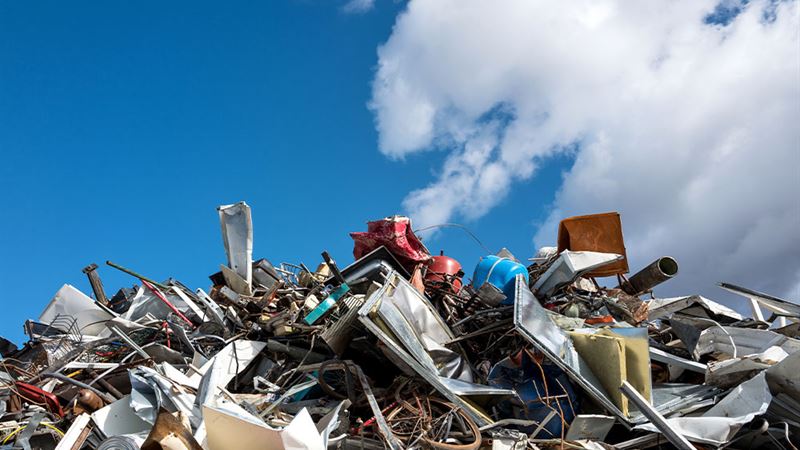
One of the initial challenges in starting a scrap metal business is determining where to obtain your supply. The most common sources include discarded metal objects, electrical devices, and industrial waste. While many metal items appear to be made solely of plastic or non-metallic materials, they often contain valuable metals like copper, aluminum, or steel components inside. Proper identification and understanding of where to source scrap metal are critical for maximizing profitability.
Scrap yards are a primary outlet for selling your collected metal. They purchase scrap metal based on weight and prevailing market prices. Understanding what types of metals they accept and how they evaluate their worth can help you make better decisions. When you arrive at a scrap yard, your vehicle will typically pass over a scale that weighs the total load, including your vehicle. The operator then subtracts the vehicle's weight to determine the net weight of the metal you are selling. After weighing, heavy machinery like magnetic cranes or electromagnets are used to unload or separate the metal, making the process efficient and quick.
Once the transaction is complete, you'll usually receive payment via check or ATM card, redeemable at local ATMs. The entire process—from arriving at the yard to receiving compensation—can take anywhere from five minutes to over forty-five minutes, depending on the quantity of metal and the yard's procedures. Building good relationships with scrap yard operators can streamline your selling experience and maximize your earnings.
Understanding Types of Metals in Scrap Metal Business
Before diving into scrap metal collection, it’s vital to understand the main categories of metals involved. The two primary types are ferrous metals and non-ferrous metals. Ferrous metals are composed mainly of iron or alloys of iron, such as steel and stainless steel. They are easy to identify because they respond well to magnets due to their magnetic properties. These metals are highly common in appliances, construction materials, and automotive components but are often less valuable in the scrap market due to their abundance and lower resale prices.
Non-ferrous metals, on the other hand, include metals like aluminum, copper, nickel, zinc, and tin. These metals do not contain significant iron content and generally do not respond to magnets. They are prized for their superior electrical conductivity, making them essential in electrical wiring, electronics, and specialized equipment. Non-ferrous metals are typically found in small amounts within appliances or electronic devices, but their rarity and high market value make them highly attractive for scrap collectors. Alloys such as brass and bronze also fall into this category and tend to fetch higher prices than ferrous metals.
Is Scrap Metal Collection a Viable Sole Income Source?
Many people wonder if it’s possible to support oneself solely through scrap metal collection. While it can generate substantial income, especially for those who scale their operations effectively, it’s rarely suitable as the only source of income initially. Starting out by sourcing scrap from your home or local disposal sites might seem lucrative, but long-term profits depend heavily on volume and market conditions.
Building relationships with industrial clients, manufacturing companies, and construction sites can significantly boost your income. These businesses frequently generate scrap metal in larger quantities than individual households and often look for reliable scrap collection services. Establishing trust and offering fair prices can lead to regular contracts and predictable income streams.
Furthermore, many scrap metal entrepreneurs find success by consolidating their efforts and expanding their network through local businesses, factories, and demolition sites. The demand for scrap metal is steady, especially when prices fluctuate favorably. The key is to network, diversify your sources, and always stay informed about current market prices and regulations governing scrap metal trading.
Strategies for Sustainable Scrap Metal Business
- Invest in Proper Equipment: To handle heavy loads efficiently, using a utility trailer with a hydraulic or sliding ramp makes loading and unloading safer and easier. This reduces wear and tear on your vehicle and minimizes the risk of injuries during operations.
- Leverage Online Platforms: Use buy-and-sell websites or local online marketplaces to find free or cheap scrap sources. Keep an eye on listings where individuals or small businesses dispose of obsolete or unused metal items that might still hold value.
- Develop Strong Local Connections: Establish consistent partnerships with property managers, maintenance teams, and construction companies. Distribute your business cards, maintain professionalism, and be courteous to build a reputation that encourages ongoing referrals.
- Stay Informed on Market Prices: Regularly check scrap metal price indices to determine whether your efforts are financially worthwhile. Adjust your collection strategies accordingly to maximize profits.
In conclusion, starting a scrap metal business requires careful planning, understanding of metal markets, and developing a network of sources and buyers. While profitable, it involves effort, proper equipment, and continuous market awareness. If approached correctly, scrap metal recycling can become a sustainable and rewarding source of income.