
Essential Anti-Aging Nutrients for a Youthful Appearance
Discover the most effective anti-aging vitamins and nutrients to maintain youthful, radiant skin. Learn how vitamins like E, A, C, K, B3, and Omega-3 can help slow aging signs, improve skin elasticity, and support overall wellness through natural sources and supplements. A comprehensive guide to natural, healthy aging strategies.
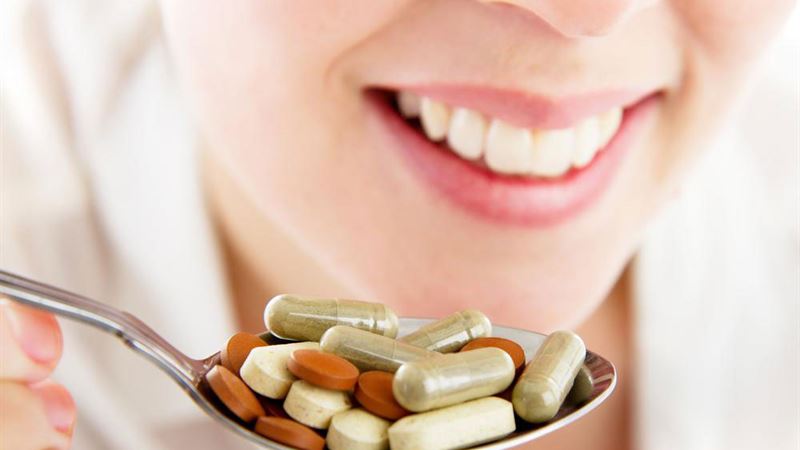
As we age, maintaining a youthful and radiant appearance becomes a common goal for many people. The secret to achieving younger-looking skin and a healthier body largely depends on proper nutrition and the intake of specific vitamins known for their anti-aging properties. In this comprehensive guide, we explore the most effective nutrients that can help slow down the aging process, improve skin vitality, and support overall wellness. These vital vitamins and nutrients can be incorporated into your diet through natural foods or supplements, offering an accessible approach to healthy aging.
Understanding the Role of Vitamins in Anti-Aging
Vitamins are organic compounds essential for numerous bodily functions, including cell regeneration, immune support, and skin health. As we age, the natural production of certain vitamins decreases, making supplementation or dietary adjustments necessary to maintain optimal health. The key vitamins highlighted here have been scientifically linked to anti-aging benefits, helping to reduce wrinkles, improve skin elasticity, protect against oxidative stress, and support vital organ functions.
Vitamin E: The Skin Hydration Hero
Vitamin E is renowned for its antioxidant properties and its ability to combat oxidative damage caused by free radicals—unstable molecules that accelerate skin aging. Often called the protector of dry skin, Vitamin E plays a crucial role in maintaining skin hydration and elasticity. Regular intake of Vitamin E-rich foods or topical applications can significantly improve skin moisture levels, resulting in a plumper, more youthful complexion. Its antioxidant capacity helps shield cell membranes from damage, thereby slowing the appearance of fine lines and wrinkles.
Sources rich in Vitamin E include nuts, seeds, and plant oils—such as sunflower, almond, and wheat germ oil. Avocados and leafy greens also provide a healthy dose of this vital nutrient. For skin-specific benefits, topical creams infused with Vitamin E are popular choices to accelerate skin healing, diminish scars, and reduce stretch marks. To avoid excessive intake, consume Vitamin E as part of a balanced diet or under medical supervision when considering supplements.
Vitamin A: The Age-Defying Retinoid
Vitamin A is a powerful nutrient celebrated for its role in maintaining healthy skin, vision, and immune function. Its derivative, retinoids, are widely used in dermatology for their proven ability to diminish wrinkles, smooth rough patches, and treat various skin conditions such as acne and psoriasis. When applied topically, Vitamin A stimulates collagen synthesis, which is vital for skin firmness and elasticity. This process helps to erase existing scars and reduce the appearance of fine lines, offering a youthful glow.
Besides skin benefits, Vitamin A is essential for bone health and maintaining sharp eyesight. Historically, Vitamin A deficiency was a leading cause of preventable blindness, highlighting its importance. Natural sources include liver, fish oils, and dairy products, while beta-carotene-rich foods like carrots, sweet potatoes, and dark leafy greens are converted into active Vitamin A within the body.
Vitamin C: The Collagen Boosting Antioxidant
Vitamin C is one of the most well-known antioxidants that plays a pivotal role in skin health and overall vitality. Its ability to promote collagen formation makes it a key player in anti-aging skincare. Collagen is a structural protein that gives skin its firmness and elasticity; its production declines with age, leading to wrinkles and sagging skin.
Consuming adequate Vitamin C from fruits and vegetables—such as strawberries, guavas, bell peppers, broccoli, and citrus fruits—can enhance skin repair, heal sun damage, and improve skin texture. While topical Vitamin C serums are popular for their potent effects, maintaining sufficient levels through diet ensures a holistic approach to anti-aging. However, Vitamin C is sensitive to oxygen and light, so proper storage and handling are necessary to preserve its efficacy.
Vitamin K: The Circulatory and Skin Repair Catalyst
Although less commonly associated with anti-aging, Vitamin K is vital for blood clotting, bone health, and tissue repair. It supports the body's ability to heal wounds and strengthen bones, contributing to a more resilient physique over time. Topical applications of Vitamin K can help reduce dark circles, spider veins, and broken capillaries, common signs of aging on the skin's surface.
Natural sources include leafy greens, such as kale and spinach, as well as fish and eggs. Adequate Vitamin K levels are essential for proper blood circulation and overall skin health, making it an important part of any anti-aging regimen. As research continues, the understanding of Vitamin K's full potential in age management is expected to expand.
Vitamin B3 (Niacin): The Hydration and Barrier Reinforcer
Vitamin B3, also known as niacin, plays a crucial role in converting food into energy and supporting healthy skin. It enhances the skin's ability to retain moisture, thereby reducing dryness and promoting a youthful appearance. Niacin boosts the production of ceramides and fatty acids, which are critical in strengthening the skin's barrier function against environmental damage.
Dietary sources include poultry, fish, whole grains, and legumes. Topical niacinamide (a form of Vitamin B3) is widely used in skincare products for its anti-inflammatory and skin-brightening properties. It helps diminish redness, improves skin elasticity, and minimizes fine lines, making it an effective anti-aging ingredient in both topical and ingestible forms.
Omega-3 Fatty Acids: The Skin and Brain Supporters
Omega-3 fatty acids are essential fats with remarkable benefits in reducing skin damage caused by sun exposure and environmental toxins. They are integral to cell membrane health, which affects skin hydration, smoothness, and resilience. Omega-3s also have anti-inflammatory properties that can calm skin conditions and prevent premature aging.
Fish oil supplements and fatty fish like salmon, mackerel, and sardines are primary sources of Omega-3. Incorporating these into your diet can help improve skin elasticity, reduce redness, and combat the effects of aging from within. Regular intake supports not only skin health but also cognitive functions and cardiovascular wellness.
Incorporating Anti-Aging Vitamins into Your Lifestyle
Achieving youthful skin and overall health involves more than just supplementation; a balanced diet rich in these essential nutrients is key. Emphasize colorful fruits and vegetables, lean proteins, nuts, and healthy oils. Lifestyle factors such as adequate hydration, regular exercise, and sun protection complement nutritional approaches to slow down the aging process.
Consult healthcare professionals before starting any new supplement regimen to determine appropriate dosages and prevent adverse interactions. Remember, consistency in proper nutrition and skincare is vital for sustained anti-aging benefits.
Conclusion: Embrace Natural and Healthy Aging
While aging is an inevitable part of life, adopting a diet enriched with these potent anti-aging vitamins can significantly influence how youthful and vibrant you look and feel. Natural foods provide a wealth of benefits, and combined with a healthy lifestyle, they pave the way for a more radiant, resilient body and skin. Explore incorporating these nutrients into your daily routine—your future self will thank you for it.