
Harnessing Natural Phytochemicals to Reduce Skin Cancer Risks
This comprehensive article explores natural phytochemicals like flavonoids, terpenoids, carotenoids, sulforaphane, and essential vitamins that can help prevent skin cancer. It highlights food sources rich in these compounds and offers practical dietary strategies for skin health. Emphasizing prevention, the piece combines scientific insights with everyday tips, encouraging a natural, food-based approach to reducing skin cancer risks and promoting overall well-being through simple dietary improvements.
Skin cancer remains one of the most common forms of cancer worldwide, with rising incidences linked to increased sun exposure, environmental pollutants, and genetic predispositions. As research advances, scientists are increasingly turning their attention to natural compounds found in everyday foods and plants, exploring their potential to prevent or slow down the development of skin malignancies. These phytochemicals—including flavonoids, terpenoids, carotenoids, sulforaphane, and various vitamins—offer promising avenues for enhancing skin health and reducing cancer risk through dietary choices.
In the quest to combat skin cancer effectively, understanding the roles of these natural substances is vital. This comprehensive guide delves into the various phytochemicals that exhibit anti-cancer properties, their food sources, and practical ways to incorporate them into daily nutrition. Emphasizing prevention, the article aims to empower individuals with knowledge about natural dietary strategies to protect their skin health.
Why Natural Compounds Are Key to Skin Cancer Prevention
The modern landscape of cancer prevention has seen a shift towards embracing natural compounds that work synergistically with the body's defenses. Unlike synthetic medications, these phytochemicals are abundant in fruits, vegetables, herbs, and spices, making them accessible for everyone. Numerous studies have demonstrated their ability to inhibit cancer cell proliferation, induce apoptosis (programmed cell death), reduce oxidative stress, and modulate immune responses—factors critical in skin cancer development.
Prevention strategies focusing on diet are particularly appealing because they are sustainable, safe, and easy to adopt. Regular consumption of foods rich in these bioactive compounds can not only lower the risk of skin cancers like melanoma, basal cell carcinoma, and squamous cell carcinoma but also promote overall skin health by reducing inflammation and protecting against environmental damage.
Major Natural Phytochemicals with Anti-Skin Cancer Potential
Flavonoids: Nature’s Protective Agents
Flavonoids are a diverse group of plant secondary metabolites known for their potent antioxidant properties. These compounds are capable of neutralizing free radicals, thereby reducing oxidative stress—a significant contributor to DNA damage and skin cancer initiation. Flavonoids also exhibit anti-inflammatory effects and can inhibit pathways involved in tumor growth.
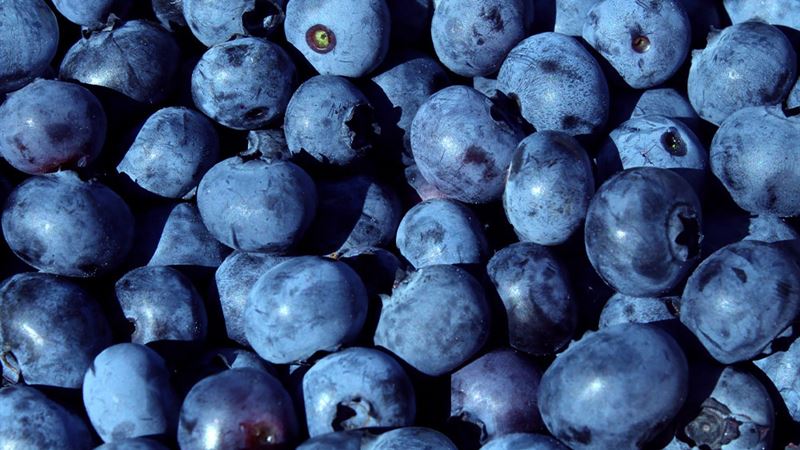
Sources rich in flavonoids include berries (such as blueberries, strawberries, and blackberries), leafy greens like spinach and kale, onions, cabbage, citrus fruits, dark chocolate, and teas (green and black). Incorporating these foods regularly can bolster the skin's defenses and lower cancer risk.
Terpenoids: Protectors in Spices and Herbs
Terpenoids, also known as isoprenoids, are compounds found abundantly in many herbs, spices, and fruits. They have demonstrated anti-inflammatory, antioxidant, and anti-tumor activities, making them vital in skin cancer prevention. These compounds can interfere with cancer cell signaling pathways and induce apoptosis.
Foods high in terpenoids include mangoes, apples, oranges, lemons, and various aromatic herbs like basil, rosemary, thyme, oregano, and spices such as cinnamon, cloves, and black pepper. Regular culinary use of these ingredients can significantly enhance protective effects.
Carotenoids: Nature’s Orange Palette
Carotenoids are pigmented nutrients responsible for the bright orange, yellow, and red colors in many fruits and vegetables. They function as powerful antioxidants, quenching free radicals and protecting skin cells from UV-induced damage. Moreover, carotenoids like beta-carotene can influence cell differentiation and proliferation, crucial in cancer prevention.
Key sources include carrots, sweet potatoes, pumpkins, butternut squash, cantaloupe, mangoes, tomatoes, and winter squashes. Consuming a variety of these foods ensures an adequate intake of carotenoids for skin protection.
Sulforaphane: The Cruciferous Compound
Sulforaphane is a sulfur-containing compound primarily found in cruciferous vegetables. It has been extensively studied for its ability to induce phase II detoxification enzymes, reduce oxidative stress, and inhibit tumor growth. Sulforaphane influences multiple pathways involved in skin carcinogenesis and has shown promise in reducing UV-induced skin damage.
Optimal sources include broccoli, cauliflower, kale, Brussels sprouts, bok choy, collard greens, mustard greens, and watercress. Incorporating these vegetables into meals several times a week can provide significant protective benefits.
Vitamins: Essential Antioxidants
Vitamins play a crucial role in maintaining skin integrity and defending against carcinogenic damage. Vitamins C, E, and A are particularly notable for their antioxidant properties. Vitamin C supports collagen synthesis and repairs skin damage, while vitamin E protects cell membranes from oxidative injury. Beta-carotene, a precursor to vitamin A, promotes healthy cell growth and reduces sun sensitivity.
Fruits such as citrus fruits, strawberries, and kiwis are excellent sources of vitamin C. Nuts, seeds, and vegetable oils provide vitamin E, while sweet potatoes, carrots, and red and orange vegetables supply beta-carotene. Regular intake of these nutrients can bolster the skin’s natural defenses against UV radiation and environmental toxins.
Integrating Natural Compounds into Your Diet
Achieving skin cancer prevention through diet requires consistent and strategic food choices. Incorporate a colorful variety of fruits and vegetables daily—aim for at least five servings—focusing on those rich in the phytochemicals discussed. Use fresh herbs and spices generously for flavor and added health benefits. Opt for whole, minimally processed foods to maximize nutrient retention.
Beyond dietary focus, adopting healthy lifestyle habits such as limiting sun exposure, wearing protective clothing, and using broad-spectrum sunscreens complement the benefits of these natural compounds. While no strategy guarantees complete protection, combining good habits with a nutrient-rich diet provides a robust defense against skin cancer.
Final Thoughts: Embracing Nature’s Pharmacy
As scientific evidence mounts, it becomes increasingly clear that nature offers an incredible arsenal of compounds capable of reducing skin cancer risk. Embracing a diet rich in flavonoids, terpenoids, carotenoids, sulforaphane, and vital vitamins not only supports overall health but specifically enhances the skin’s resilience against carcinogenic factors.
Ultimately, a balanced approach that includes nutritious foods, protective measures against UV rays, and lifestyle modifications can significantly decrease the likelihood of developing skin cancer. By turning to nature’s pharmacy, we empower ourselves to maintain healthy, vibrant skin well into the future.