
Natural Nutrients That May Reduce the Risk of Skin Cancer
This comprehensive overview explores natural dietary compounds like flavonoids, carotenoids, terpenoids, and vitamins that may help lower skin cancer risk. Consuming a variety of fruits, vegetables, spices, and plant-based foods rich in these phytochemicals can strengthen skin defenses. The article highlights specific foods and their health benefits, emphasizing preventive strategies through diet alongside traditional sun protection methods. Incorporating these natural agents into daily meals can be a proactive step toward maintaining skin health and reducing cancer risk.
Skin cancer remains one of the most common types of cancer worldwide, with increasing incidence rates year after year. While genetic and environmental factors play significant roles, emerging research suggests that certain natural compounds found in everyday foods could potentially help lower the risk of developing skin cancer. These phytochemicals, which include flavonoids, terpenoids, carotenoids, sulforaphane, and various vitamins, have demonstrated promising anti-cancer properties in laboratory studies. Harnessing these natural agents through diet may offer a complementary approach to skin cancer prevention.
Essential Natural Compounds in Skin Cancer Prevention
Scientists have analyzed numerous natural ingredients to understand their anticancer potential. The focus has largely been on phytochemicals—bioactive compounds present in plants—that can inhibit carcinogenesis, induce apoptosis (programmed cell death) in malignant cells, and protect DNA from damage caused by ultraviolet (UV) rays and environmental toxins. Key classes of these compounds include flavonoids, terpenoids, carotenoids, and sulforaphane. Additionally, certain vitamins such as A, C, and E are vital antioxidants that neutralize free radicals, thus preventing cellular damage and reducing cancer risk.
Understanding how these naturally occurring compounds work allows us to identify specific foods that serve as rich sources, encouraging dietary strategies for skin health and cancer prevention.
Flavonoids: Nature’s Anti-Cancer Agents
Flavonoids are a diverse group of plant chemicals known for their anti-inflammatory, antioxidant, and anti-carcinogenic properties. They are abundant in many fruits, vegetables, and plant-based products. Research indicates flavonoids can modulate signaling pathways involved in cell proliferation and apoptosis, thereby suppressing tumor growth.
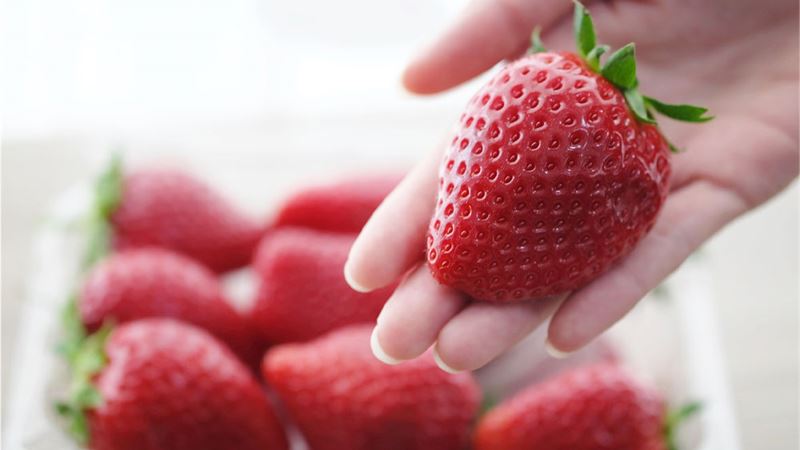
Foods high in flavonoids include berries such as blueberries, strawberries, and blackberries; cruciferous vegetables like cabbage and broccoli; onions, kale, parsley, and soybeans. Tea, especially green and black varieties, also contains significant flavonoid levels. Dark chocolate is another source, providing not only antioxidants but also other health-promoting phytochemicals. Incorporating these foods into your daily diet can help bolster your skin’s defenses against cancerous changes.
Terpenoids: Spices and Herbs with Protective Benefits
Terpenoids, also known as isoprenoids, are compounds found predominantly in aromatic herbs and spices. They exhibit anti-inflammatory, antioxidant, and anti-tumor effects, with some studies showing their ability to inhibit cancer cell growth.
To increase intake, include foods like mangoes, apples, citrus fruits, and spices such as basil, rosemary, cinnamon, oregano, cloves, lavender, and black pepper in meals. Regular consumption of these foods not only enhances flavor but also adds a layer of protection against skin malignancies.
Carotenoids: Colorful Fruits and Vegetables
Carotenoids are pigmented compounds responsible for the orange, yellow, and red hues in many fruits and vegetables. They serve as potent antioxidants and have been linked to reduced cancer risk, including skin cancer.
Dietary sources rich in carotenoids include papaya, cantaloupe, sweet potatoes, tangerines, tomatoes, winter squash, and carrots. These foods can be incorporated into meals to boost carotenoid levels, promoting skin protection and overall health.
Sulforaphane: Cruciferous Vegetables’ Powerhouse
The compound sulforaphane is especially abundant in cruciferous vegetables—a family that includes broccoli, cauliflower, kale, cabbage, Brussels sprouts, bok choy, collards, mustard greens, and watercress. Research indicates sulforaphane can activate enzymes that detoxify carcinogens, reduce inflammation, and induce apoptosis in cancer cells.
Regularly consuming these vegetables can be a valuable addition to a skin cancer-preventive diet.
Vitamins: Antioxidants for Skin Defense
Vitamins such as A, C, and E play essential roles in skin health and cancer prevention. Vitamin C, found abundantly in citrus fruits and vegetables, helps repair damaged tissue and neutralize free radicals. Vitamin E, present in nuts and seeds, is a powerful antioxidant that protects cell membranes from oxidative damage. Vitamin A, particularly in the form of beta-carotene found in sweet potatoes and carrots, supports skin repair and cellular growth.
Maintaining sufficient levels of these vitamins through diet enhances the skin’s resilience against UV-induced damage and carcinogenesis.
In conclusion, incorporating a diverse range of natural compounds from everyday foods can be a proactive measure to reduce the risk of skin cancer. A diet rich in colorful fruits and vegetables, spices, and plant-based products offers a natural shield against the development of malignant skin conditions. While these foods are not a substitute for sun protection and medical advice, they can serve as valuable complementary strategies for maintaining healthy skin and preventing cancer.
Essential Natural Compounds in Skin Cancer Prevention
Scientists have analyzed numerous natural ingredients to understand their anticancer potential. The focus has largely been on phytochemicals—bioactive compounds present in plants—that can inhibit carcinogenesis, induce apoptosis (programmed cell death) in malignant cells, and protect DNA from damage caused by ultraviolet (UV) rays and environmental toxins. Key classes of these compounds include flavonoids, terpenoids, carotenoids, and sulforaphane. Additionally, certain vitamins such as A, C, and E are vital antioxidants that neutralize free radicals, thus preventing cellular damage and reducing cancer risk.
Understanding how these naturally occurring compounds work allows us to identify specific foods that serve as rich sources, encouraging dietary strategies for skin health and cancer prevention.
Flavonoids: Nature’s Anti-Cancer Agents
Flavonoids are a diverse group of plant chemicals known for their anti-inflammatory, antioxidant, and anti-carcinogenic properties. They are abundant in many fruits, vegetables, and plant-based products. Research indicates flavonoids can modulate signaling pathways involved in cell proliferation and apoptosis, thereby suppressing tumor growth.
Foods high in flavonoids include berries such as blueberries, strawberries, and blackberries; cruciferous vegetables like cabbage and broccoli; onions, kale, parsley, and soybeans. Tea, especially green and black varieties, also contains significant flavonoid levels. Dark chocolate is another source, providing not only antioxidants but also other health-promoting phytochemicals. Incorporating these foods into your daily diet can help bolster your skin’s defenses against cancerous changes.
Terpenoids: Spices and Herbs with Protective Benefits
Terpenoids, also known as isoprenoids, are compounds found predominantly in aromatic herbs and spices. They exhibit anti-inflammatory, antioxidant, and anti-tumor effects, with some studies showing their ability to inhibit cancer cell growth.
To increase intake, include foods like mangoes, apples, citrus fruits, and spices such as basil, rosemary, cinnamon, oregano, cloves, lavender, and black pepper in meals. Regular consumption of these foods not only enhances flavor but also adds a layer of protection against skin malignancies.
Carotenoids: Colorful Fruits and Vegetables
Carotenoids are pigmented compounds responsible for the orange, yellow, and red hues in many fruits and vegetables. They serve as potent antioxidants and have been linked to reduced cancer risk, including skin cancer.
Dietary sources rich in carotenoids include papaya, cantaloupe, sweet potatoes, tangerines, tomatoes, winter squash, and carrots. These foods can be incorporated into meals to boost carotenoid levels, promoting skin protection and overall health.
Sulforaphane: Cruciferous Vegetables’ Powerhouse
The compound sulforaphane is especially abundant in cruciferous vegetables—a family that includes broccoli, cauliflower, kale, cabbage, Brussels sprouts, bok choy, collards, mustard greens, and watercress. Research indicates sulforaphane can activate enzymes that detoxify carcinogens, reduce inflammation, and induce apoptosis in cancer cells.
Regularly consuming these vegetables can be a valuable addition to a skin cancer-preventive diet.
Vitamins: Antioxidants for Skin Defense
Vitamins such as A, C, and E play essential roles in skin health and cancer prevention. Vitamin C, found abundantly in citrus fruits and vegetables, helps repair damaged tissue and neutralize free radicals. Vitamin E, present in nuts and seeds, is a powerful antioxidant that protects cell membranes from oxidative damage. Vitamin A, particularly in the form of beta-carotene found in sweet potatoes and carrots, supports skin repair and cellular growth.
Maintaining sufficient levels of these vitamins through diet enhances the skin’s resilience against UV-induced damage and carcinogenesis.
In conclusion, incorporating a diverse range of natural compounds from everyday foods can be a proactive measure to reduce the risk of skin cancer. A diet rich in colorful fruits and vegetables, spices, and plant-based products offers a natural shield against the development of malignant skin conditions. While these foods are not a substitute for sun protection and medical advice, they can serve as valuable complementary strategies for maintaining healthy skin and preventing cancer.