
Comprehensive Guide to Factors Influencing Bed Bug Eradication Expenses
This comprehensive guide explores the key factors affecting the cost of bed bug eradication, including methods, variables like property size, infestation severity, and location. It provides insights into DIY versus professional treatments, different extermination techniques such as heat, chemicals, and fumigation. Understanding these aspects helps homeowners choose effective strategies tailored to their needs and budget. Proper knowledge ensures thorough bed bug removal, safeguarding your health and peace of mind while avoiding unnecessary expenses. Quick and expert intervention is essential for complete eradication and a pest-free home environment.
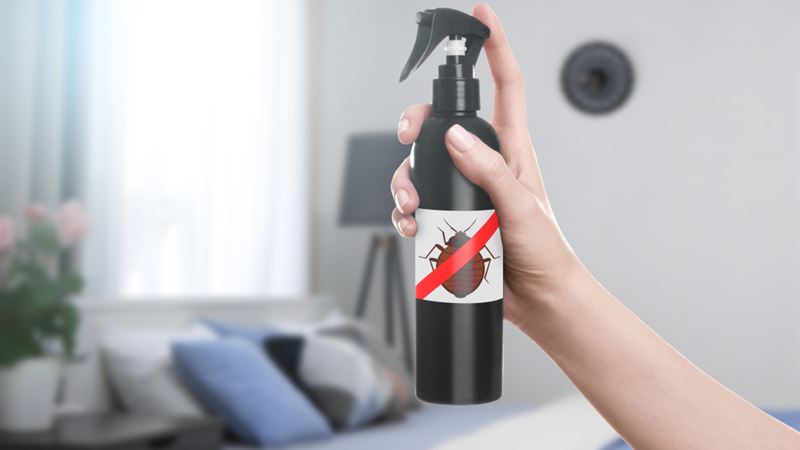
Bed bugs are among the most persistent household pests, often causing discomfort and anxiety for homeowners. Despite their small size, these pests can create significant problems, disrupting sleep and causing skin bites. While they are commonly believed to reside solely in bedding regions, bed bugs can hide in a variety of places within your home, including underneath furniture, within nightstands, in dressers, and even on sofas and chairs. Their tiny bodies enable them to hide in tiny crevices, making detection and elimination challenging. The inconvenience caused by an infestation can significantly impact your daily routine, mental health, and overall comfort.
- Use of Chemical Sprays and Insecticides: The most common method involves applying specialized bed bug sprays directly on infested areas. These chemicals are designed to kill bed bugs on contact and are typically used in conjunction with other methods to ensure complete eradication.
- Heat Treatments: Applying high temperatures to infested rooms can effectively kill all life stages of bed bugs. This method involves heating the affected area to a temperature lethal to bed bugs (usually above 120°F or 49°C) and maintaining it for several hours. Experts often employ specialized heaters and monitoring devices to ensure uniform temperature distribution.
- Fumigation Techniques: This involves sealing the space and introducing toxic gases to eradicate all pests within. Fumigation is particularly useful for extensive infestations and requires professional handling due to the hazardous nature of the gases.
- Steam Cleaning: Using high-temperature steam can kill bed bugs on contact, especially in cracks and crevices. This is a chemical-free option suitable for localized infestations and furniture treatment.
- Physical Removal and Encasements: Encasing mattresses and box springs with resistant covers can trap existing pests and prevent new ones from infesting bedding. Regular vacuuming and manual removal can also help reduce populations.
- DIY extermination may involve purchasing professional-grade sprays, powders, or traps. While initially cheaper, this approach may not completely eliminate the problem, especially in large or stubborn infestations.
- Hiring professional exterminators typically costs between $1,000 and $2,500, depending on the severity of the infestation, the size of the property, and the chosen method. The price often includes inspection, treatment, and follow-up visits.
- Professional services provide comprehensive treatment, including eradication of bacteria, mold, and other pests, leading to a healthier living environment.
- Size and Layout of Your Home: Larger homes or those with complex layouts require more time, labor, and materials, increasing overall costs.
- Severity of Infestation: Light, moderate, or severe infestations influence the treatment approach and associated costs. Severe cases often require multiple treatments and extensive chemical or heat processes.
- Location of the Property: Urban or affluent areas tend to have higher service charges due to demand, accessibility, and cost of living. Rural areas might require specialized travel arrangements increasing expenses.
- Type of Treatment: Cost varies whether you opt for chemical treatments, heat, or fumigation. Each has its cost structure based on equipment, chemicals, and labor involved.
- Additional Services: Follow-up inspections, lifetime guarantees, or pest monitoring systems can add to the initial expenditure.
- Heat Treatment: Effective for entire-house applications, often costing between $2,000 and $4,000 for a full house treatment. It involves specialized equipment and requires professional deployment.
- Chemical Applications: Costing approximately $1,000 to $2,000, chemical treatments are tailored to the extent of infestation and may include subsequent treatments for complete eradication.
- Fumigation: The most comprehensive method, involving sealing the property and introducing fumigants. This is typically reserved for severe cases and may cost upwards of $3,000 depending on the size.
- Steam Method: Costing around $300 to $1,000, steam cleaning is used mainly for localized areas or furniture and is suitable for quick relief.
To effectively eliminate bed bugs, it's crucial to choose a method aligned with your infestation level, budget, and health considerations. Consulting with licensed pest control professionals allows you to develop a tailored plan that will maximize results. Remember, prompt action is vital to prevent the problem from worsening, which could significantly increase costs and effort involved in eradication.
Taking the time to understand the various factors involved in bed bug extermination can help you make the best decision. Whether you opt for DIY solutions or hire experts, the goal remains the same: a safe, clean, bed bug-free home.
Tags- bed bug extermination cost, professional pest control, bed bug removal solutions, heat treatment cost, pest control services