
Comprehensive Natural Solutions for Bed Bug Eradication
Learn effective natural methods to eliminate bed bugs, including vacuuming, heat treatments, essential oils, and preventive tips. This detailed guide provides safe, eco-friendly solutions to manage and prevent infestations, ensuring a comfortable and pest-free home environment.
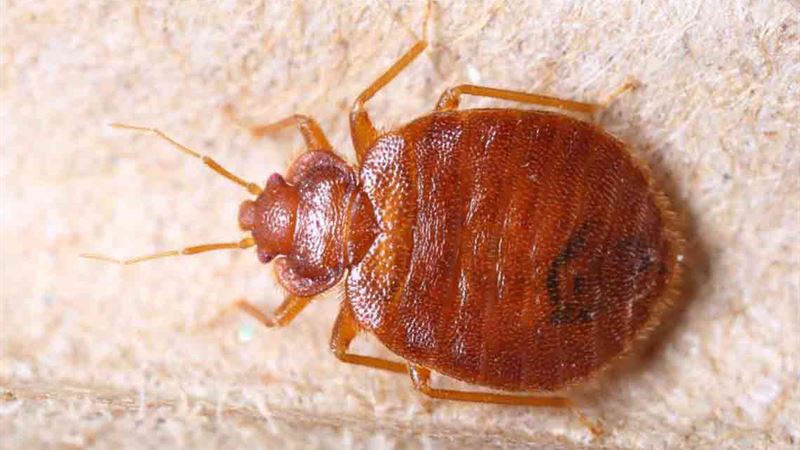
Vacuuming: The First Line of Defense
One of the most straightforward and chemical-free methods to combat bed bugs is regular, thorough vacuuming. Since these pests tend to hide in crevices, mattresses, furniture seams, and hidden corners, a comprehensive vacuum session can disrupt their habitat and reduce their numbers significantly. Focus on areas such as beneath beds, around furniture, behind picture frames, and upholstery. Use a vacuum with a strong suction and a HEPA filter if possible to trap tiny eggs and nymphs. After each session, immediately dispose of the vacuum bag or contents in a sealed plastic bag to prevent reinfestation. For optimal results, vacuum at least three to four times a week, especially during early stages of infestation.
Applying Heat Treatment: Effective and Eco-Friendly
Heat is one of the most reliable natural methods to eliminate bed bugs. Exposing infested items or rooms to high temperatures—above 45°C (113°F)—can kill all stages of bed bugs, including eggs, nymphs, and adults. Using a professional-grade steam cleaner that emits dry steam allows targeted application without damaging furniture or fabrics. Pass the steam repeatedly over mattress seams, bed frames, furniture joints, and cracks. Ensure that steam penetrates deeply into crevices. Conversely, cold treatment—exposing infested items to temperatures below -17°C (0°F)—for several days can also be effective. Freezing items in a sealed plastic bag for at least 72 hours will kill any hidden bugs and eggs.
Baking Soda: Moisture Absorber and Pest Deterrent
Baking soda's desiccant properties help to absorb moisture in dark, humid hideouts favored by bed bugs, effectively dehydrating them. Lightly sprinkle baking soda in bed frames, mattress seams, and infested corners, ensuring a thin, even layer. Leave it undisturbed for about a week, allowing it to soak up moisture and disrupt the bed bugs' environment. After this period, vacuum thoroughly to remove residual baking soda and dead bugs. This method is safe, inexpensive, and easy to implement, making it an ideal option for homeowners seeking natural remedies.
Essential Oils: Natural Repellents and Killers
Essential oils, such as tea tree, peppermint, and eucalyptus, are well-known for their insect-repelling and insecticidal properties. Tea tree oil, in particular, contains compounds that disrupt the nervous system of bed bugs. To use, dilute a few drops of tea tree oil in water and spray generously in infested areas, including mattresses, bed frames, and surrounding furniture. Repeat this process weekly for sustained effectiveness. Peppermint oil, with its strong scent, also acts as a natural barrier, discouraging bed bugs from settling in treated zones. Mixing peppermint oil with water and applying it around doorways, windows, and bedposts can help prevent infestations or keep existing bugs at bay.
Mint Leaves and Other Natural Repellents
Fresh mint leaves are not only a pleasant aromatic plant but also an effective repellent for bed bugs. Crushed mint leaves or essential oil extracts can be spread around the infested area, especially near bedding and furniture, creating an environment that bed bugs avoid. Other natural deterrents include lavender, neem oil, and citronella. Regular application of these plant-based repellents can reduce the likelihood of bugs entering your sleeping environment, maintaining a pest-free home naturally.
Turmeric Powder: Traditional and Potent
Turmeric, renowned for its medicinal and antimicrobial qualities, also exhibits insect-repelling properties. The compound curcumin in turmeric depletes oxygen levels in hidden bug habitats, leading to their death. Sprinkling turmeric powder around bed frames, cracks, and infested corners can serve as a natural barrier. Additionally, mixing turmeric with water to create a spray can disperse its active compounds effectively. This method is safe for use around children and pets and has been used traditionally to manage pests.
Black Walnut Tea: A Natural Insecticide
Black walnut leaves are rich in tannins and have natural insecticidal and antibacterial properties. Boiling black walnut leaves in water to make a tea allows for a natural treatment option. Applying this tea as a spray or soaking infested items can help deter bed bugs and soothe skin from bites. Regular use of black walnut extracts can assist in both prevention and reduction of existing infestations, especially when combined with other remedies.
Insecticides: Pyrethrins and Pyrethroids
For severe infestations, botanical and synthetic insecticides like pyrethrins and pyrethroids offer rapid results. Pyrethrin, derived from chrysanthemum flowers, provides a natural insecticide option, while pyrethroids are lab-synthesized but closely mimic natural compounds. These substances act quickly to flush out and kill bed bugs upon contact. Use repellents containing these chemicals cautiously, following product instructions carefully. They are especially useful when combined with other natural remedies to cover resistant bed bug populations.
Additional Preventive Measures
- Regularly inspect your mattress, bedding, and furniture for signs of bed bugs, such as small dark spots or shed skins.
- Wash all bedding, sheets, and clothing in hot water (above 60°C / 140°F) regularly to eliminate hidden bugs and eggs.
- Vacuum infested areas often, paying attention to cracks, seams, and under furniture.
- Place double-sided tape around bedposts and furniture to trap wandering bugs and monitor activity.
- Declutter your home to reduce hiding spots, and discard unnecessary furniture or textiles.
- Seal cracks, crevices, and holes in walls, floors, and furniture to eliminate shelter sites.
- Avoid moving infested furniture or bedding to clean rooms to prevent spreading bugs elsewhere.
Applying these holistic, natural strategies consistently can help you effectively drive bed bugs from your home. Patience and diligence are key to eradicating these resilient pests and restoring comfort to your living space.