
Comprehensive Guide to Hummingbird Feeders: Types, Top Choices, and Expert Tips
Discover everything you need to know about hummingbird feeders, including types, top models for 2024, and expert tips to attract and care for these lively birds. From nectar bottle to saucer and decorative designs, find the perfect feeder for your garden. Learn how to position, clean, and maintain feeders for optimal hummingbird visits, ensuring a thriving backyard sanctuary. Enhance your outdoor space with practical advice and choose from our top picks to create an inviting environment for hummingbirds all year round.
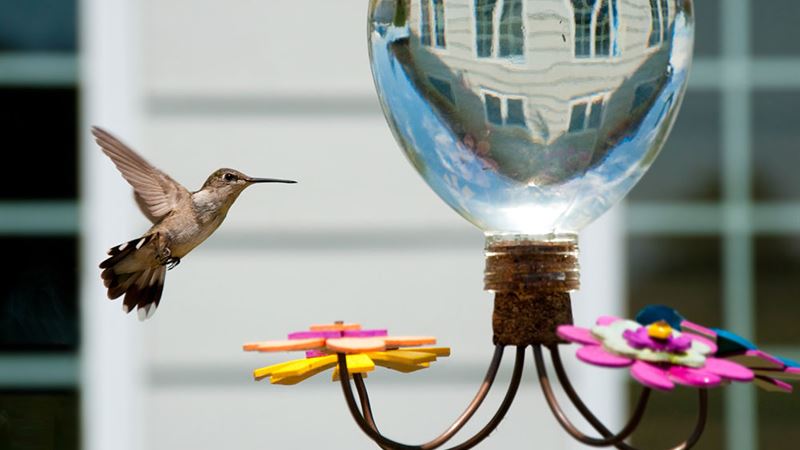
Setting up a hummingbird feeder is a delightful way to bring the vibrant antics of these tiny birds into your garden or yard. Once the feeder is hung, the nectar slowly flows into the feeding ports at the bottom, attracting hummingbirds to feast. Many modern feeders come equipped with thoughtful features like built-in ant moats that prevent pesky insects from polluting the nectar, ensuring a clean and safe feeding experience for the birds. Selecting the right feeder is crucial, and understanding the different types available can help you make an informed decision that suits your space and preferences.
1. Nectar Bottle Feeders
This classic style of hummingbird feeder involves a container, often made of glass or plastic, that holds the nectar. The nectar is released into feeding ports through a narrow spout as birds drink, mimicking natural flower feeding. Many bottle feeders are designed with convenience in mind, featuring wide-mouth openings for easy refilling and cleaning. Some models incorporate anti-sip tips or built-in ant moats to prevent insects from crawling into the nectar, maintaining freshness for longer periods. These feeders tend to be durable and weather-resistant, making them suitable for outdoor use across seasons.
2. Saucer-Shaped Feeders
This type features a shallow, plate-like structure, often resembling a mini dish or saucer, which provides a natural landing spot for hummingbirds. The feeding port is positioned above the saucer, allowing birds to access nectar easily while minimizing spillage. One key advantage of saucer feeders is their simplicity—they are less likely to leak and are straightforward to clean and refill. They often use a bowl material such as glass or plastic, making maintenance hassle-free. Although they might hold less nectar compared to bottle feeders, their quick refillability makes them a popular choice for hobbyists seeking convenience and durability.
3. Horizontal Bar Feeders
Designed to support multiple hummingbirds simultaneously, horizontal bar feeders feature several feeding ports arranged along a long, flat tube or bar. These feeders are typically suspended horizontally, allowing several birds to feed while resting on perches. They are ideal for attracting a flock, especially in busy hummingbird seasons, as they reduce competition and avoid overcrowding at single feeders. Their multiple ports make them highly efficient, and the open design ensures easy cleaning and refilling. Horizontal bar feeders are often made from rust-resistant metals or plastics that withstand outdoor conditions.
4. Decorative and Themed Feeders
Beyond functionality, some feeders are designed with aesthetic appeal in mind. Shaped like flowers, abstract art, or with vibrant colors, decorative feeders serve as attractive garden ornaments while functioning as effective feeding stations. Since hummingbirds are primarily attracted to red, many decorative options feature bold hues to lure them in. While their intricate designs may require a bit more effort to clean, these feeders add a splash of color and charm to your outdoor space, creating a pleasant visual setting that complements the garden ambiance.
Understanding the various hummingbird feeder styles helps ensure you select one that fits your environment and personal taste, making your backyard a hummingbird paradise.
This classic style of hummingbird feeder involves a container, often made of glass or plastic, that holds the nectar. The nectar is released into feeding ports through a narrow spout as birds drink, mimicking natural flower feeding. Many bottle feeders are designed with convenience in mind, featuring wide-mouth openings for easy refilling and cleaning. Some models incorporate anti-sip tips or built-in ant moats to prevent insects from crawling into the nectar, maintaining freshness for longer periods. These feeders tend to be durable and weather-resistant, making them suitable for outdoor use across seasons.
2. Saucer-Shaped Feeders
This type features a shallow, plate-like structure, often resembling a mini dish or saucer, which provides a natural landing spot for hummingbirds. The feeding port is positioned above the saucer, allowing birds to access nectar easily while minimizing spillage. One key advantage of saucer feeders is their simplicity—they are less likely to leak and are straightforward to clean and refill. They often use a bowl material such as glass or plastic, making maintenance hassle-free. Although they might hold less nectar compared to bottle feeders, their quick refillability makes them a popular choice for hobbyists seeking convenience and durability.
3. Horizontal Bar Feeders
Designed to support multiple hummingbirds simultaneously, horizontal bar feeders feature several feeding ports arranged along a long, flat tube or bar. These feeders are typically suspended horizontally, allowing several birds to feed while resting on perches. They are ideal for attracting a flock, especially in busy hummingbird seasons, as they reduce competition and avoid overcrowding at single feeders. Their multiple ports make them highly efficient, and the open design ensures easy cleaning and refilling. Horizontal bar feeders are often made from rust-resistant metals or plastics that withstand outdoor conditions.
4. Decorative and Themed Feeders
Beyond functionality, some feeders are designed with aesthetic appeal in mind. Shaped like flowers, abstract art, or with vibrant colors, decorative feeders serve as attractive garden ornaments while functioning as effective feeding stations. Since hummingbirds are primarily attracted to red, many decorative options feature bold hues to lure them in. While their intricate designs may require a bit more effort to clean, these feeders add a splash of color and charm to your outdoor space, creating a pleasant visual setting that complements the garden ambiance.
Understanding the various hummingbird feeder styles helps ensure you select one that fits your environment and personal taste, making your backyard a hummingbird paradise.
Top Hummingbird Feeders of 2024
Looking for the best hummingbird feeders on the market? A quick online search for "Top hummingbird feeders of 2024" offers a broad selection, but here are five standout options to consider for your garden. These choices are recognized for their quality, ease of use, and hummingbird appeal:
Looking for the best hummingbird feeders on the market? A quick online search for "Top hummingbird feeders of 2024" offers a broad selection, but here are five standout options to consider for your garden. These choices are recognized for their quality, ease of use, and hummingbird appeal:
- First Nature 16 oz Nectar Feeder
Affordable at around $10, this reliable feeder features a red base that naturally attracts hummingbirds. It offers ten feeding ports on a wide-mouth reservoir, making it easy for multiple birds to feed simultaneously. The patented two-part twist-off base allows for thorough cleaning, critical for maintaining nectar freshness. Its compact size and user-friendly design make it an excellent choice for beginners and seasoned bird enthusiasts alike. - Vintage Glass 20 oz Feeder by More Birds®
Countering durability with elegance, this glass feeder includes a large opening for easy refills and disassembly for cleaning. Its standout feature is the five sturdy metal perches, giving birds comfort during feeding. Priced around $33, it balances aesthetics with practicality, making it a stylish addition to any garden while providing optimal hummingbird nourishment. This classic design also resists weather damage and is easy to maintain. - Sewanta Handheld 1 oz Sets
Ideal for personal observation or small yards, this set includes two portable red feeders crafted from durable plastic and glass. Each unit features a suction-cup mount for flexible placement or can be held in your hand, making it perfect for interactive feeding or photography. Priced at approximately $13, these lightweight feeders are easy to clean and stand out for their portability, enabling you to attract hummingbirds wherever you choose. - Perky-Pet Copper & Glass 12 oz Feeder
Combining stylish craftsmanship with functionality, this feeder priced between $25 and $29 features a brushed copper finish that lends an elegant touch to your garden. Its wide-mouthed bottle minimizes spills and makes refilling a breeze. Equipped with four flower-shaped feeding ports distributed evenly around a circular perch, it allows hummingbirds to feed from all angles. The removable base simplifies cleaning, and the built-in insect guard provides added protection for the nectar, ensuring your visitors stay healthy and fed. - Aspects Hummzinger HighView 12 oz Saucer Feeder
This modern saucer-style feeder, priced around $30, features a drainable feeding basin with a perch designed for resting and a clear view of the birds. Its design encourages multiple hummingbirds to feed comfortably and reduces splash-back or nectar spillage. Its sleek look fits well in contemporary gardens, and its ease of cleaning makes it favorites among backyard birders seeking simplicity and style.
Expert Tips for Maximizing Your Hummingbird Feeding Experience
Beyond choosing the right feeder, certain practices can greatly enhance your hummingbird enjoyment and ensure their health. Here are some actionable tips:
Beyond choosing the right feeder, certain practices can greatly enhance your hummingbird enjoyment and ensure their health. Here are some actionable tips:
- Place your feeder strategically for maximum visibility and safety. Position it near sheltering plants or shrubs that offer perches and protection from harsh sunlight, creating a comfortable environment for the visiting birds. The location should be accessible for refilling and cleaning but also discreet enough to avoid predators.
- Maintain constant observation. Place the feeder where you can easily see it so you can quickly notice if it requires cleaning or refilling. Regular upkeep prevents mold, bacteria buildup, and nectar spoilage, which can harm the hummingbirds.
- Refill with the right amount of nectar—enough to sustain the birds without overflowing. This reduces spillage and discourages ants and bees from invading the feeder. A mixture of four parts water to one part sugar is the standard formula, boiled and cooled before use to prevent fermentation.
- Clean the feeders thoroughly at least once every two weeks, more often in hot weather. Use hot water and a brush to scrub away any mold or residue, and ensure no soap residues remain. Proper maintenance guarantees fresh nectar and happy hummingbirds.
- If using multiple feeders, rotate their positions periodically. This prevents territorial behavior among hummingbirds and encourages a broader exploration of your garden’s nectar sources.
By implementing these tips and choosing a suitable feeder, you transform your outdoor space into a welcoming haven for hummingbirds. Patience and consistent care will ensure these beautiful birds frequent your yard, providing a lively, natural spectacle year-round.