
Essential Foods to Support Healthy Lung Function and Combat Respiratory Diseases
Boost your lung health naturally with the top foods rich in vitamins and antioxidants. Discover how apricots, olive oil, berries, and broccoli can help fight infections, reduce inflammation, and promote respiratory wellness. Incorporate these nutrient-dense foods into your daily diet for stronger lungs and improved breathing capacity, backed by scientific research and expert recommendations.
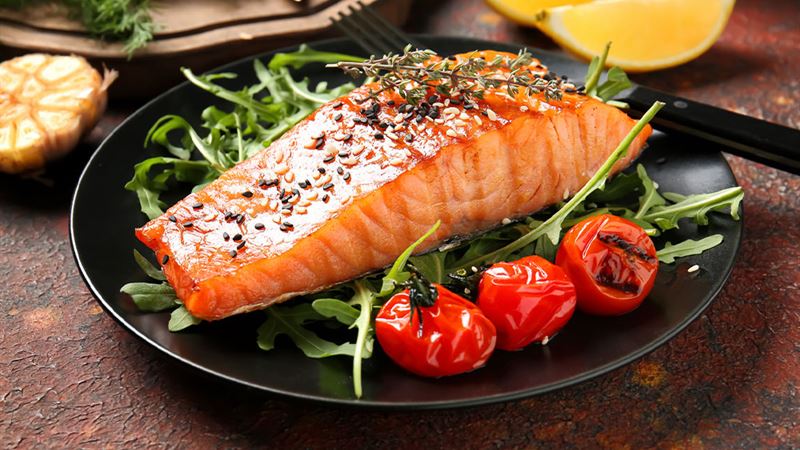
Maintaining optimal lung health is crucial for overall well-being and quality of life. A balanced diet rich in specific nutrients can significantly bolster lung function, protect against respiratory infections, and aid in the management of lung-related conditions. Incorporating a variety of nutrient-dense foods into your daily meals can help strengthen your respiratory system and improve lung resilience. This comprehensive guide explores the top foods that are scientifically proven to support lung health and combat common respiratory ailments.
Apricots and Vitamin A-Rich Fruits
Apricots are a powerhouse of vitamin A, which plays a vital role in maintaining the integrity of the respiratory tract lining. Adequate levels of vitamin A can help repair damaged mucous membranes, reduce inflammation, and lower the risk of lung infections. Besides apricots, other fruits and foods high in vitamin A include beef liver, cod liver oil, carrots, black-eyed peas, broccoli, spinach, sweet red peppers, and pumpkins. Consuming these foods regularly can support your body’s immune defenses and promote efficient respiratory function.
Olive Oil and Healthy Fats
Olive oil is renowned for its rich content of vitamin E, particularly in the form of alpha-tocopherol, which is linked to enhanced lung capacity and reduced inflammation. The anti-inflammatory properties of vitamin E help diminish airway constriction and improve airflow. Other sources of alpha-tocopherol include sunflower seeds, hazelnuts, pine nuts, sesame seeds, and pistachios. Replacing processed vegetable oils with extra virgin olive oil in your meals can be a strategic step toward supporting respiratory health.
It is important to note that not all forms of vitamin E have the same effect on lung health. For example, soybean and canola oils contain gamma-tocopherol, which may interfere with respiratory recovery or aggravate lung infections. Therefore, choosing foods rich in alpha-tocopherol is essential for maximizing lung benefits.
Berries and Antioxidants
Respiratory infections like MAC (Mycobacterium avium complex) can cause significant damage to pulmonary cells. The presence of oxidative stress from free radicals can worsen inflammation and hinder cell regeneration. Berries such as blueberries, strawberries, acai, and grapes are rich in antioxidants that neutralize free radicals, thereby protecting lung tissues. These fruits not only contribute to overall immunity but also help in reducing the severity of lung infections and promoting faster healing.
Cruciferous Vegetables and Sulforaphane
Broccoli is particularly valued for its high sulforaphane content, a potent phytochemical that activates enzymes like Nramp1 and HO-1, which are associated with immune defense mechanisms against pathogens such as MAC. Sulforaphane stimulates the production of protective enzymes that combat lung infections, asthma, and chronic obstructive pulmonary disease (COPD). Including other cruciferous vegetables like kale, cauliflower, watercress, cabbage, and Brussels sprouts in your diet can provide a broad spectrum of health benefits, thanks to their high sulforaphane levels.
Additional tips for enhancing lung health include maintaining a clean environment, avoiding cigarette smoke, engaging in regular physical activity, and staying hydrated. Combining these lifestyle choices with a nutrient-rich diet can create a powerful defense system for your respiratory health and overall well-being.