
Natural Nutrients with Potential to Reduce Skin Cancer Risk
This comprehensive article explores how natural compounds such as flavonoids, terpenoids, carotenoids, sulforaphane, and essential vitamins can help prevent skin cancer. It discusses their sources in everyday foods, their mechanisms at the cellular level, and practical ways to incorporate these nutrients into your diet for optimal skin protection and health.
In recent years, increasing attention has been given to natural dietary compounds that may offer protective effects against skin cancer. Researchers have explored various phytochemicals—including flavonoids, terpenoids, carotenoids, sulforaphane, and essential vitamins—due to their promising anti-cancer properties. These bioactive substances, derived from plant sources, exhibit potential in preventing or slowing down the progression of melanoma and other skin malignancies. With the rising incidence of skin cancer globally, understanding how certain foods and natural compounds can contribute to prevention is crucial.
Understanding Natural Compounds and Their Role in Skin Cancer Prevention
Adopting a diet rich in specific natural compounds is one of the most effective strategies to lower the risk of developing skin cancer. The key lies in incorporating foods that are abundant in these beneficial phytochemicals, ensuring the body receives a steady supply of antioxidant and anti-inflammatory agents to combat carcinogenic processes. This comprehensive article delves into the most potent natural compounds linked to skin cancer prevention, highlights dietary sources, and explores how these substances work at the cellular level to inhibit cancer growth.
Understanding Natural Compounds and Their Role in Skin Cancer Prevention
Adopting a diet rich in specific natural compounds is one of the most effective strategies to lower the risk of developing skin cancer. The key lies in incorporating foods that are abundant in these beneficial phytochemicals, ensuring the body receives a steady supply of antioxidant and anti-inflammatory agents to combat carcinogenic processes. This comprehensive article delves into the most potent natural compounds linked to skin cancer prevention, highlights dietary sources, and explores how these substances work at the cellular level to inhibit cancer growth.
Flavonoids
Flavonoids constitute a vast family of plant-based polyphenolic compounds known for their powerful antioxidant and anti-inflammatory properties. They have been extensively studied for their potential to reduce the risk of various cancers, including skin malignancies. These compounds can neutralize free radicals, reduce oxidative stress, and modulate signaling pathways involved in cell proliferation and apoptosis. Regular consumption of flavonoid-rich foods may bolster the body’s natural defenses against skin tumor development.
Studies indicate that flavonoids are particularly effective in inhibiting melanoma cell growth. They act by suppressing DNA damage, reducing inflammation, and preventing tumor cells from invading healthy tissues. To maximize the benefits of flavonoids, it is advisable to include a diverse array of foods such as berries (blueberries, strawberries, blackberries), cruciferous vegetables like cabbage and broccoli, onions, kale, and citrus fruits in your diet. Additionally, drinking green or black tea and consuming dark chocolate can also contribute to higher flavonoid intake.
Terpenoids
Terpenoids represent a large class of naturally occurring organic chemicals derived from isoprene units. These compounds are found abundantly in many aromatic herbs, spices, and fruits. Not only do they lend flavor and aroma to various foods, but they also possess significant medicinal properties, including anti-cancer effects. In particular, terpenoids have demonstrated the ability to inhibit tumor growth, induce apoptosis in cancer cells, and prevent angiogenesis, which is the formation of new blood vessels that supply tumors.
Foods rich in terpenoids include aromatic herbs and spices such as basil, rosemary, oregano, thyme, cinnamon, and cloves. Tropical fruits like mangoes and apples also contain substantial amounts of these compounds. Incorporating these ingredients into daily meals, whether through fresh herbs, spice blends, or fruit consumption, can support skin health and potentially reduce cancer risk. Moreover, the anti-inflammatory effects of terpenoids further assist in protecting skin cells from damage caused by UV radiation and environmental toxins.
Carotenoids
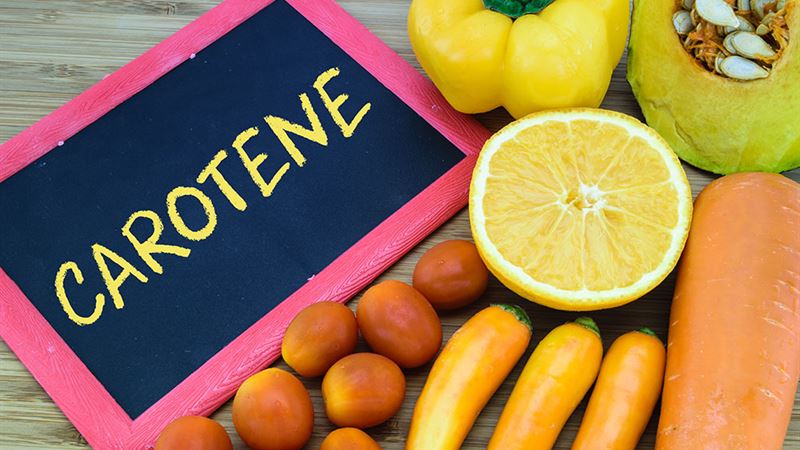
The orange hue of many fruits and vegetables is a visual cue of their high carotenoid content, which includes compounds like beta-carotene, lutein, and lycopene. These antioxidants play a significant role in neutralizing free radicals and reducing oxidative stress, two critical factors in the development of skin cancer. Carotenoids accumulate in skin cells, providing an extra layer of protection against UV-induced damage.
Key dietary sources of carotenoids encompass bright orange and red foods, including papayas, cantaloupes, sweet potatoes, tangerines, tomatoes, winter squash, and carrots. Regular consumption of these foods can enhance the skin’s resilience to sun damage and inhibit carcinogenic processes. Studies have also suggested that higher plasma levels of carotenoids correlate with a decreased risk of melanoma. As such, incorporating a rainbow of carotenoid-rich foods into meals is recommended for optimal skin health.
Sulforaphane
Sulforaphane is a potent phytochemical primarily found in cruciferous vegetables such as broccoli, cauliflower, Brussels sprouts, kale, and watercress. This compound has garnered remarkable attention for its cancer-preventing properties, particularly its ability to modulate detoxification enzymes, promote apoptosis, and inhibit tumor cell proliferation.
Regular intake of sulforaphane-rich foods may activate cellular defense mechanisms that prevent the initiation and progression of skin cancers, especially those induced by UV exposure. Consuming raw or lightly cooked cruciferous vegetables ensures maximum sulforaphane availability, as heat can degrade its potency. Complementing a diet with these vegetables offers a practical strategy to bolster natural defenses against skin malignancies.
Essential Vitamins and Their Protective Role
Key vitamins such as C, E, and A are essential antioxidants that contribute significantly to skin health and cancer prevention. Vitamin C is crucial for collagen synthesis and immune function, found abundantly in citrus fruits, strawberries, and bell peppers. Vitamin E, a powerful lipid-soluble antioxidant, protects cell membranes from oxidative damage; nuts, seeds, and vegetable oils are prime sources. Beta-carotene, a precursor of vitamin A, helps repair damaged skin tissue and reduces UV damage; foods like carrots, sweet potatoes, and apricots provide ample amounts.
Ensuring sufficient intake of these vitamins through a balanced diet can strengthen skin defenses, reduce inflammation, and lower the likelihood of malignant transformations. Supplements can be considered in cases where dietary intake is insufficient, but natural food sources remain the preferred approach for holistic health benefits.
In sum, embracing a diet rich in natural compounds like flavonoids, terpenoids, carotenoids, sulforaphane, and vital vitamins offers a promising avenue for reducing skin cancer risk. Incorporating a variety of colorful fruits, vegetables, herbs, and spices into daily meals not only enhances overall health but also provides essential protective agents against skin carcinogenesis. As ongoing research continues to shed light on the powerful links between nutrition and cancer prevention, making informed dietary choices becomes a vital part of skin health maintenance and cancer risk reduction.