
Comprehensive Guide to Selecting Effective Hair Loss Treatments
Discover comprehensive tips for selecting effective hair loss treatments tailored to your hair type. Learn how to understand your scalp, choose suitable shampoos, and incorporate healthy habits to promote hair growth. This in-depth guide covers all essential care routines for different hair types, including dry, oily, normal, and curly hair, as well as special considerations for chemically treated and thinning hair. Implement these expert strategies to prevent hair loss, nourish your scalp, and achieve stronger, healthier hair naturally. Perfect for anyone seeking reliable hair care solutions and improved confidence.
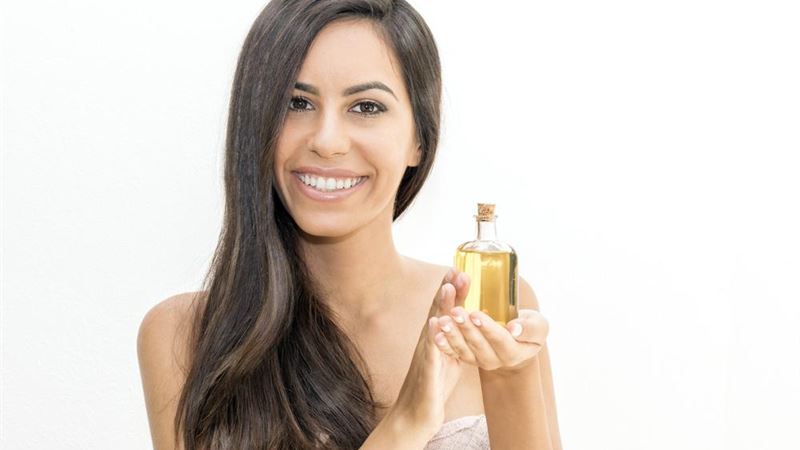
Dealing with hair thinning or loss can be frustrating, especially when trying to find the right products that truly work. The market is flooded with various options, but not all are suitable for your specific hair type or condition. Choosing inappropriate products can sometimes exacerbate hair loss or cause scalp issues. Therefore, understanding your scalp and hair type, along with the ingredients in hair care products, is essential for effective treatment. This comprehensive guide aims to help you navigate the myriad options to pick the best hair loss remedies tailored for your needs.
Understanding Your Hair and Scalp
Before selecting any hair loss product, it’s crucial to identify your hair type and scalp condition. Like skin, hair has distinct types—normal, oily, dry, or curly—and each requires specific care. For instance, using a shampoo formulated for oily hair on dry hair can strip away necessary moisture, leading to further dryness and breakage. Conversely, a shampoo meant for dry hair can weigh down oily scalp, leading to build-up and potential hair loss. Recognizing your scalp’s health and hair type helps in choosing products that restore balance effectively.
Proper Treatment and Nourishment
Hair care isn’t just about cleaning; it involves nourishing and strengthening hair strands. Using products with beneficial ingredients such as biotin, keratin, caffeine, and natural oils can promote growth and reduce hair loss. For example, shampoos infused with biotin strengthen hair follicles, while caffeine-based treatments stimulate scalp circulation, encouraging new growth. When shopping for hair loss treatments, always check labels for such active ingredients. Opt for products specifically designed for hair regrowth and thinning concerns to enhance results.
Types of Hair and Corresponding Care Strategies
- Normal Hair
- Oily Hair
- Dry Hair
- Curly Hair
Each hair type demands unique care routines to maintain health and prevent loss. Understanding these distinctions enables you to select targeted solutions that yield the best results.
Oily Hair Care Tips
If you grapple with excess oil production, choose shampoos with balanced pH levels to control oil without stripping natural moisture. Regular washing—perhaps every other day—can prevent buildup that suffocates hair follicles. Stay away from harsh shampoos filled with sulfates or alcohol, as they can exacerbate oiliness and cause irritation. Incorporate clarifying treatments periodically to remove excess sebum and product residue, maintaining a clean scalp conducive to hair growth. Additionally, avoid touching or combing oily hair excessively to prevent hair breakage and scalp inflammation.
Normal Hair Maintenance
For those with a balanced scalp and normal hair, the focus should be on gentle cleansing and nourishment. Use medicated shampoos with ingredients like tea tree oil, which has antimicrobial properties that keep scalp infections at bay. Maintaining a healthy scalp environment encourages stronger, healthier hair and can help prevent thinning. Balanced hair-friendly routines involve using mild shampoos, conditioning regularly, and avoiding excessive heat styling that damages hair cuticles.
Dry Hair Care
Dry hair requires moisturizing and gentle cleaning to retain natural oils. Select shampoos labeled as hydrating or nourishing, preferably with natural oils such as argan, coconut, or jojoba oils. These ingredients deeply hydrate hair strands, restoring softness and shine. Limit shampooing to 2-3 times a week to avoid stripping away vital oils. Incorporate deep conditioning treatments regularly and apply leave-in conditioners or serums designed to lock in moisture. Avoid using hot water during washing, as it can further dehydrate hair cuticles, making hair brittle and prone to breakage.
Curly Hair Specifics
Curly hair tends to be drier because natural oils struggle to travel down spiral-shaped strands. To keep curls healthy and resilient, choose sulfate-free shampoos with high protein content that help reinforce the hair structure. Regular deep conditioning and hydration with curl-specific creams or oils are essential. Avoid excessive brushing to prevent frizz and breakage; instead, detangle gently with wide-tooth combs while damp. For maintained bounce and shine, incorporate leave-in conditioners and curl-enhancing products. Consistent care will ensure your curls remain luscious, defined, and less prone to thinning.
Special Considerations for Chemically Treated and Thinning Hair
If you have colored or chemically processed hair, it’s vital to select shampoos formulated for color-treated hair. These products help preserve dye and prevent dryness caused by chemical treatments. For thinning or fine hair, volumizing shampoos and conditioners can provide an immediate appearance of fullness while nourishing follicles. Look for ingredients like niacin, biotin, or peptides that stimulate scalp circulation and strengthen hair shafts.
Supporting Healthy Hair Growth through Lifestyle
Beyond topical products, your diet and habits significantly influence hair health. Eating a balanced diet rich in vitamins such as B-complex, iron, zinc, and proteins strengthens hair follicles from within. Regular physical activity improves blood flow to the scalp, fostering growth. Avoid excessive heat styling, tight hairstyles, and harsh chemical treatments, all of which can cause hair breakage and loss. Let your hair air-dry whenever possible, and use soft towels to gently pat dry, minimizing mechanical stress. These small changes in daily routine can make a significant impact in reducing hair fall and promoting vigorous growth.
In conclusion, choosing the right hair loss product is a nuanced process that depends on understanding your individual hair type, scalp condition, and hair care needs. Combining targeted topical treatments with a healthy lifestyle, proper diet, and gentle styling habits provides the best approach to combat hair loss and maintain healthy, vibrant hair.