
Comprehensive Guide to Hair Types and Qualities for Better Hair Care
This detailed guide helps you understand your hair's unique qualities by exploring factors like density, diameter, porosity, greasiness, elasticity, and shape. Identifying your hair type enables personalized care routines and product choices, leading to healthier, shinier, and more manageable hair. Learn effective self-assessment methods and tips for maintaining optimal hair health tailored to your individual hair characteristics.
Understanding Your Hair: An Essential Step Towards Optimal Hair Care
Having a clear knowledge of your hair's characteristics can significantly enhance your hair care routine and address specific scalp and hair issues more effectively. Recognizing the unique qualities and types of your hair allows you to select the right products and treatments, leading to healthier, shinier, and more manageable hair. Hair is diverse, and its various attributes—such as density, diameter, porosity, greasiness, and elasticity—play crucial roles in determining suitable hair care strategies. In this comprehensive guide, we delve into each of these factors, providing you with detailed insights and practical methods to identify your hair type accurately.
Understanding Hair Density
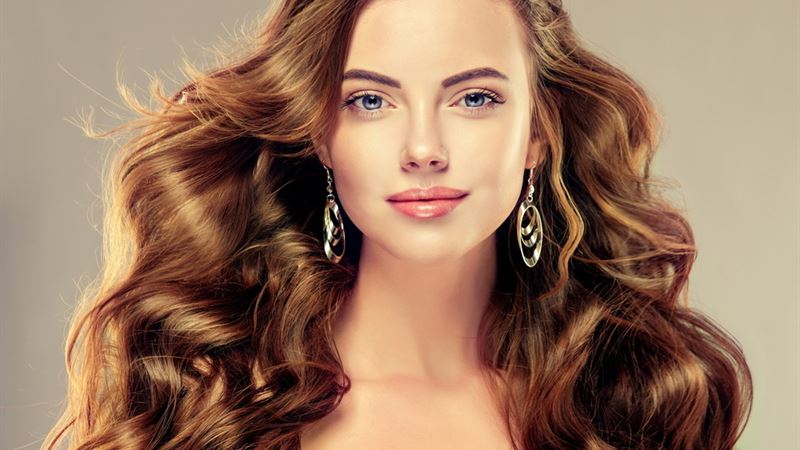
The density of your hair refers to how many hair strands emerge from your scalp. It is a vital attribute because it influences your hairstyle choices and the amount of volume your hair has. Hair density is generally categorized into three levels: low, medium, and high.
- Low Density: Individuals with low-density hair have fewer hair strands, which can result in a sparse appearance and thin-looking hair. Such hair may require volumizing products to create a fuller look.
- Medium Density: This is considered a balanced hair density where strands are neither too sparse nor too dense. It often provides a natural volume and is easier to style.
- High Density: High-density hair comprises a large number of strands, leading to a thick and voluminous appearance. People with high-density hair may need specialized products to manage weight and manageability.
To determine your hair density, perform the simple mirroring test as a self-assessment method. Grab a significant lock of hair and gently pull it aside. Observe how much of your scalp is exposed. If the scalp remains largely hidden, your hair density is likely high. If you can see a considerable portion of your scalp, your density is probably low or medium. This quick test can help you understand your hair's basic density—it’s an important step in customizing your hair care routine.
Hair Strand Diameter
The diameter of individual hair strands—how thick or thin each strand is—plays a crucial role in how your hair feels and responds to styling and treatments. Hair diameter is classified into three categories: fine, medium, and thick (or coarse).
- Fine Hair: Fine hair has a slender diameter, often resulting in a soft, silky feel but can be more fragile and prone to breakage.
- Medium Hair: This is the most common type, offering a good balance between softness and strength, making it easy to style and maintain.
- Thick or Coarse Hair: With a larger diameter, this hair type is sturdy and full-bodied but may require more intensive hydration and styling products to manage frizz and volume.
To assess your hair strand diameter, take a single strand of hair and hold it lightly between your thumb and forefinger. Feel its thickness—if you notice it's very thin, you have fine hair; if it feels substantial and firm, it's likely thick. Understanding your hair's diameter helps select suitable shampoos, conditioners, and styling products designed to enhance or complement your hair type.
Hair Porosity
Hair porosity describes the hair's ability to absorb and retain moisture. It influences how well your hair interacts with conditioners, oils, and treatments. The three levels of porosity are low, medium, and high.
- Low Porosity: Hair with low porosity resists absorbing moisture; products tend to sit on the surface instead of penetrating. This type may require heat or specific formulations to open cuticles during treatments.
- Medium Porosity: This is the ideal state where hair readily absorbs and retains moisture, making it easier to manage and style.
- High Porosity: Hair with high porosity absorbs moisture quickly but also loses it easily, which can lead to dryness, frizz, and damage. Deep conditioning and sealing treatments are beneficial here.
Testing your hair porosity involves submerging a strand in a glass of water. If the strand sinks quickly, your hair has high porosity. If it floats or sinks slowly, your porosity is medium or low. Understanding this trait guides you in choosing appropriate hair care products and routines, ensuring your hair remains hydrated and healthy.
Greasiness Level
Greasiness or oiliness refers to how much sebum your scalp produces. Knowing your scalp's oil level is essential for deciding how frequently to wash your hair and which cleansing products to use. An overly oily scalp might require frequent cleansing, while dry scalps benefit from less frequent washing and nourishing products.
- Oily Hair: Excess oil can lead to greasy roots, clogged pores, and potential scalp issues. Use gentle, clarifying shampoos to manage excess sebum without stripping too much moisture.
- Normal Hair: Balanced oil production, requiring regular washing to maintain freshness.
- Dry Hair: Little oil production, necessitating moisturizing shampoos and conditioners to prevent further dryness.
To test your oiliness level, wash your hair thoroughly and let it air dry. Then, press a tissue or blotting paper on your scalp, especially around the crown and behind the ears. Check the paper for oil deposits. A heavy oil deposit indicates an oily scalp, whereas minimal residue suggests dry or balanced scalp conditions. Knowing your scalp's condition helps in selecting the right shampoos, conditioners, and styling products tailored to your needs.
Hair Elasticity
Elasticity measures how well your hair can stretch and return to its original shape without breaking. It is a key indicator of hair health and strength. High elasticity indicates healthy, resilient hair with excellent bounce and shine, while low elasticity suggests damage and fragility.
- High Elasticity: Hair can stretch significantly and regain shape, indicating strong, well-nourished strands.
- Medium Elasticity: Moderate stretching capacity; the hair shows some resilience.
- Low Elasticity: Limited stretchability and tendency to break when tension is applied, often due to damage or dryness.
To test elasticity, take a damp strand of hair and gently stretch it to its maximum length without feeling resistance or risk of breakage. Observe how much it elongates and whether it returns to its original shape. Good elasticity reflects healthy hair, suitable treatments, and proper nutrition. Regularly assessing your hair's elasticity helps you understand its current health status and adjust your hair care routine accordingly, incorporating nourishing masks and conditioners when needed.
Additional Hair Characteristics: Shape and Fall
Besides the attributes discussed above, the overall shape and fall of your hair add another layer of classification. Based on the natural pattern of how your hair falls and its wave or curl pattern, hair can generally be categorized into:
- Straight Hair: Known for its smooth, sleek appearance with minimal wave or curl. Straight hair tends to reflect light well and appears shiny under natural light.
- Wavy Hair: Falls between straight and curly, generally forming gentle S-shaped waves. Wavy hair offers a lot of styling versatility but may require frizz control products.
- Curly Hair: Defined by tight or loose curls, curly hair tends to be voluminous and often requires hydration and curl-enhancing products.
Understanding your hair's natural shape can help you choose suitable styling routines and products to enhance its beauty. Moreover, subcategories within each type (such as tightly curled, loosely wavy, or straight) influence product selection and styling methods.
Final Thoughts
Accurately identifying your hair type and qualities is a fundamental step towards effective hair care management. Being aware of your hair's density, diameter, porosity, greasiness, elasticity, and shape allows you to tailor your routine and choose products designed specifically for your hair’s unique needs. Regular self-assessment and consultation with hair care professionals can further optimize your approach, leading to healthier, more vibrant hair that reflects your personal style and confidence. Remember, every hair type is distinct, and embracing your natural hair characteristics is the key to maintaining its health and beauty.