Discover comprehensive post-operative care tips for knee recovery after arthritis treatment with rubber knee surgery. From pain management to hygiene practices, learn how to facilitate a smoother healing process to regain mobility and strength effectively. Proper care, exercise routines, and injury prevention strategies are crucial for optimal recovery. Follow medical advice diligently to minimize complications and achieve the best possible outcome after surgery. This detailed guide covers essential tips to help you navigate the post-surgery phase confidently and safely, ensuring you return to daily activities with improved knee function and reduced discomfort.
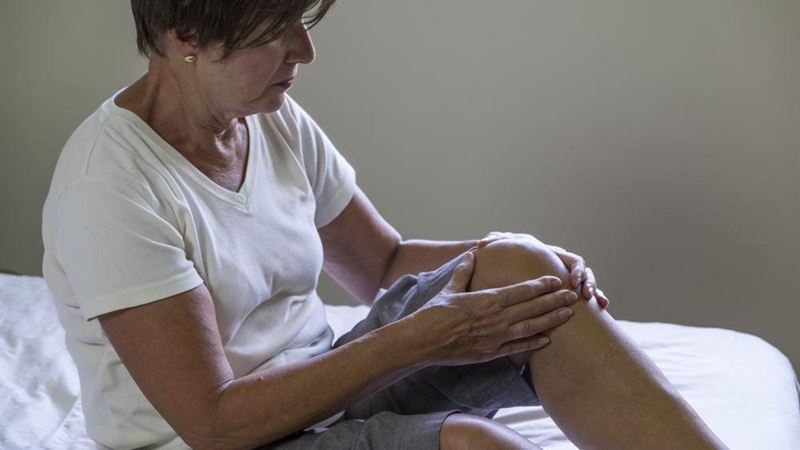
Managing Post-Surgical Pain: Pain management is a critical part of your recovery journey. It's normal to experience discomfort after surgery, but consistent use of prescribed medications can help control pain and reduce swelling effectively. Follow your healthcare provider's instructions carefully regarding medication timing and dosage to prevent unnecessary discomfort and aid in a smoother recovery process. Proper pain management not only enhances comfort but also encourages early mobilization, which is vital for optimal healing. Use of Anti-Inflammatory Drugs: Your doctor may prescribe anti-inflammatory medicines to decrease swelling and inflammation post-surgery. These medicines are usually combined with pain relievers to provide comprehensive relief. Always adhere to your physician's recommendations on dosage and duration to avoid side effects and ensure maximum benefit. Anti-inflammatory drugs play a crucial role in reducing post-operative inflammation, which can otherwise hinder mobility and prolong recovery. Gradual Resumption of Exercises: Engaging in gentle, doctor-approved exercises is key to restoring knee mobility. These exercises help maintain joint flexibility and muscle strength around the knee area. Avoid vigorous activities such as swimming, jogging, cycling, or aerobics unless your healthcare provider approves. A structured rehabilitation plan will include carefully designed movements to promote healing without risking injury. Remember, patience is essential during this phase. Proper Bandaging Technique: Applying an elastic bandage correctly is important to support your knee and control swelling. Start wrapping loosely from your calf, moving upwards over the knee, ensuring it is snug but not tight enough to restrict blood flow. Do not overtighten the bandage to prevent discomfort or circulation issues. Consistent technique in bandaging helps stabilize the joint and provides compression, reducing the risk of further swelling and aiding recovery.
Maintaining Hygiene and Wound Care: Keep your surgical dressing and bandages clean and dry at all times. Avoid removing the dressings unless your doctor instructs you to do so. Maintaining hygiene minimizes the risk of infection and promotes proper wound healing. When showering, protect your knee by wrapping it in plastic to prevent water contact, especially during the initial healing period. Once stitches or tapes are removed, consult your surgeon about appropriate bathing practices to ensure the area remains dry and safe. Avoiding Prolonged Cross-Leg Sitting: Sitting cross-legged for long durations can put unnecessary strain on your knee, delaying healing. It is advised to avoid this position for at least six weeks post-surgery. Elevate your legs when sitting to help reduce swelling and promote easier circulation. Proper positioning is essential to prevent complications and ensure that the healing tissue remains undisturbed. Be mindful of your sitting posture during recovery. Use of Protective Coverings During Showering: To keep your incision site dry and free from infection, wrap your leg with plastic or waterproof covers during bathing. After stitches or tapes are removed, confirm with your healthcare provider that it is safe to shower normally. Keeping the area dry is crucial to prevent wound infections and promote smooth healing. Follow your surgeon’s specific instructions for post-shower care and regularly check for signs of infection. Elevating the Leg and Avoiding Strain: Proper elevation of your leg in a comfortable sitting position helps reduce swelling and improves blood circulation. Avoid kneeling, twisting, or putting undue pressure on your operated knee. Limiting these activities helps prevent stress on the surgical site and supports tissue healing. Utilize pillows or cushions to keep your leg elevated during rest periods, especially in the initial weeks after surgery. Use of Ice Packs for Swelling and Pain Control: Applying ice packs is an effective way to reduce post-operative swelling and alleviate pain. Wrap ice packs in a cloth and place them on your knee for 15-20 minutes at a time, several times a day. Avoid direct skin contact to prevent frostbite. Remember to keep your dressing dry during ice application. Proper use of cold therapy expedites recovery and minimizes discomfort during this sensitive period. Monitoring Post-Operative Symptoms: Keep a close watch on your recovery process. Contact your healthcare provider immediately if you notice soaked dressings, excessive bleeding, persistent pain, increasing swelling, or if you develop a fever. These could be signs of complications requiring prompt medical attention. Regular follow-up appointments are essential to ensure proper healing and to address any concerns early. Do not ignore persistent symptoms or worsening discomfort, as timely intervention can prevent serious setbacks. 