
A Comprehensive Guide to Meniscus Tear Management and Rehabilitation
This comprehensive guide explores everything about meniscus tears, including causes, symptoms, diagnosis, treatment options, recovery, and prevention. It emphasizes early detection, surgical and non-surgical treatments, rehabilitation strategies, and tips for maintaining healthy knees through proper exercises and lifestyle modifications. Whether you’re an athlete or dealing with age-related weakening, understanding meniscus injuries can help you recover faster and protect your knee joint for years to come. Learn how to manage and prevent this common knee injury effectively.
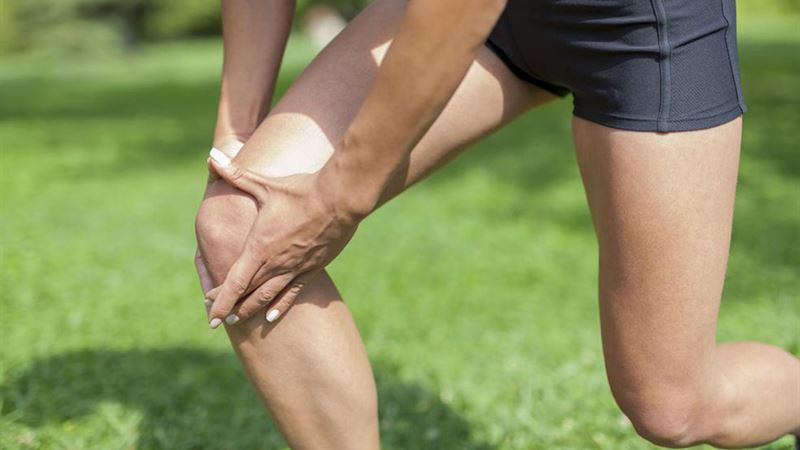
The importance of prevention cannot be overstated, especially for athletes and individuals engaged in physically demanding activities. Some simple precautions can significantly reduce the risk of meniscus injuries. Maintaining good knee strength, proper warm-up routines, and avoiding sudden, awkward movements during exercise are crucial. Wearing appropriate footwear and using knee supports during intense activities can also provide added protection. Furthermore, staying physically fit and flexible enhances joint resilience, reducing susceptibility to tears.
Who is most vulnerable to a meniscus tear?
Injury Risks Across Different Age Groups
While anyone can sustain a meniscal injury, certain groups exhibit higher susceptibility. Children and adolescents, particularly those active in sports, often experience meniscus tears due to sudden twists or impacts during play. Adults over 30 face increased risk as age-related wear and tear weaken knee cartilage, making it more prone to injury even with minor trauma or missteps. Elderly individuals with degenerative conditions such as osteoarthritis are especially vulnerable, as thinning cartilage and reduced joint resilience heighten the chances of tearing from low-impact activities or everyday movements like squatting or stepping wrong.
Recognizing symptoms early is vital for prompt treatment and preventing further damage. Typical signs include persistent knee pain, swelling, restricted movement, sensation of instability, and episodes of locking or popping sounds within the joint. Some individuals experience a feeling of the knee giving way, which can be alarming and warrants immediate medical attention. Ignoring these symptoms may lead to chronic instability, worsening joint damage, and long-term mobility issues.
Diagnostic procedures are essential to confirm the presence and extent of a meniscus tear. The healthcare provider often begins with a physical examination, checking for tenderness, swelling, joint stability, and specific signs like the McMurray’s test. Imaging tests such as X-rays are useful to rule out fractures or osteoarthritis but don’t visualize soft tissues. MRI scans are the gold standard for identifying meniscal tears, pinpointing their location and severity. Arthroscopy, a minimally invasive surgical procedure, may also be employed for thorough diagnosis and simultaneous treatment if necessary.
Effective management of meniscus tears depends on the severity of the injury. Treatments are broadly categorized into conservative (non-surgical) methods and surgical interventions. Mild or moderate tears often respond well to conservative therapy, while more severe injuries typically necessitate surgical repair or removal.
Conservative Treatment for Minor Meniscus Tears
For less complicated injuries, nonsurgical approaches can promote healing and restore function. The primary goals are reducing inflammation, alleviating pain, and preventing further damage. Rest is fundamental, as it prevents aggravation of the injury and allows the tissues to recover. Using crutches can help minimize weight-bearing on the affected knee, providing relief during the healing process. It’s advisable to avoid strenuous activities, twisting motions, or sudden movements that could worsen the tear.
Applying ice packs periodically—every 3 to 4 hours for approximately 20 minutes—helps reduce swelling and numb nerve endings, providing pain relief. Compression with elastic bandages or knee braces stabilizes the joint, supports healing, and limits excessive movements. Elevating the leg higher than the heart level during rest decreases fluid accumulation in the joint, further reducing swelling. Over-the-counter anti-inflammatory medications, such as ibuprofen or naproxen, can be taken under medical supervision to diminish pain and inflammation.
In addition to physical rest, gentle physiotherapy is vital for recovery. Therapeutic massage can improve blood circulation, reduce stiffness, and facilitate tissue repair. Physical therapists may recommend specific exercises to enhance flexibility, strengthen supporting muscles around the knee, and improve stability. These exercises are tailored to the injury’s severity and are crucial for a successful return to normal activity levels.
Advanced and Surgical Treatment Options
When conservative methods fail to provide relief, or if the tear is particularly severe, surgical intervention becomes necessary. Two primary surgical procedures are used: meniscectomy and meniscus repair.
Meniscectomy involves removing the torn portion of the meniscus. This procedure is straightforward, typically performed arthroscopically through small incisions, allowing quicker recovery and less postoperative discomfort. However, removing part of the meniscus reduces its shock-absorbing capacity and can predispose the joint to degenerative changes over time.
Meniscus repair aims to stitch the torn edges back together, preserving as much of the meniscal tissue as possible. This option is preferred for young, active individuals with tears located in the vascular zone of the meniscus, where healing potential is higher. The procedure also involves minimally invasive arthroscopic techniques and usually requires a longer recovery period involving restrained weight-bearing and physiotherapy to facilitate healing.
In cases of complex tears, degenerative damage, or tears in avascular zones with limited healing capacity, meniscectomy might be the more viable option. Your healthcare provider will weigh factors like age, activity level, and tear type to determine the optimal surgical plan.
Postoperative Recovery and Rehabilitation
Recovery after meniscus surgery varies considerably based on individual factors such as age, overall health, tear severity, and chosen procedure. Generally, initial recovery involves rest, swelling control, pain management, and gradual mobilization. Using ice and compression remains essential during the initial weeks to control inflammation.
Within a few days post-surgery, patients often begin gentle range-of-motion exercises to prevent joint stiffness. Physical therapy plays a pivotal role, guiding progressive weight-bearing activities and strengthening exercises. Full recovery to pre-injury activity levels may take anywhere from a few weeks to several months.
For those with concomitant injuries—such as ligament damage or osteoarthritis—the recovery period may extend and require customized rehabilitation plans. Patients with osteoarthritic changes should expect a more cautious and monitored rehabilitation process, emphasizing joint health and function restoration.
Adhering strictly to post-operative instructions is crucial. Patients are typically advised to avoid high-impact activities, heavy lifting, or intense sports for approximately one month or more. Resuming vigorous activities prematurely can jeopardize healing and lead to re-injury.
Additional supportive therapies, such as nutritional supplements rich in anti-inflammatory and joint-healing properties, may complement medical treatment. Advances in biological therapies like platelet-rich plasma (PRP) injections are also being explored to enhance tissue repair processes.
Preventive Strategies to Protect Your Knees
Maintaining healthy knees involves consistent exercise, proper nutrition, and adequate strength training. Incorporating stretching routines to ensure flexibility and warming up thoroughly before physical activity reduces injury risk. Using correct techniques during sports and avoiding abrupt, unnatural movements are beneficial.
Weight management significantly influences knee health, as excess weight places additional stress on the joint structures. Wearing appropriate footwear supporting proper biomechanics can prevent awkward movements and twists. Regular physiotherapy and strengthening exercises for the quadriceps, hamstrings, and calf muscles support knee stability and resilience.
Incorporating these preventive measures into your lifestyle can substantially reduce the likelihood of meniscus injuries and promote long-term joint health.
In conclusion, understanding the causes, symptoms, diagnosis, treatment options, and recovery protocols for meniscus tears equips individuals to make informed decisions about their knee health. Early intervention, appropriate therapy, and preventive practices are essential components of successful recovery and lifelong knee wellness.