Managing hearing loss effectively involves experimenting with your environment, maintaining your hearing aids properly, adapting your daily routines, and seeking community and professional support. Regular care and active engagement can significantly improve your quality of life, helping you navigate daily activities confidently. Connecting with others facing similar challenges offers emotional strength and motivation. Consulting audiologists ensures your devices are functioning optimally, sustaining clarity and comfort. Embrace an active lifestyle, explore personalized coping strategies, and stay connected to enjoy life fully despite hearing impairments.
Living with hearing impairment can pose unique challenges, but with the right approaches, you can lead a full and active life. One key aspect is to experiment with your environment by trying out different places and settings. This helps you understand your specific needs and discover adjustments that improve your hearing experience. For example, navigating new environments where background noise levels vary can be enlightening, enabling you to adapt effectively. Understanding your environment empowers you to set up your space for optimal hearing, whether by reducing background noise or positioning yourself strategically for better sound reception.
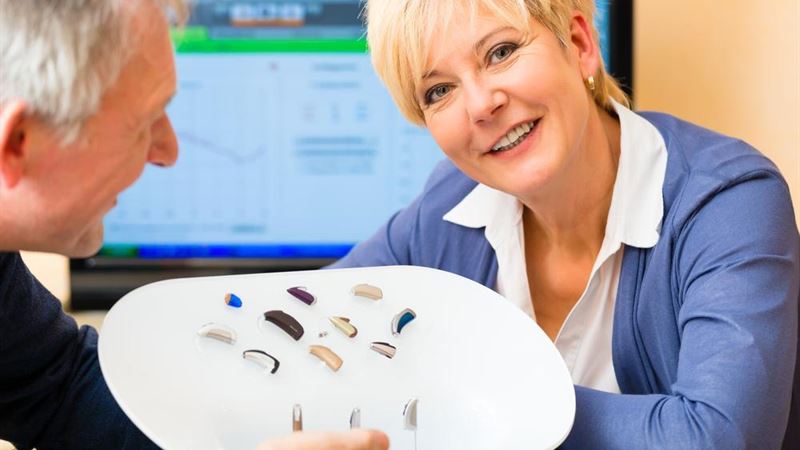
Maintenance of hearing aids is crucial for ensuring their longevity and optimal performance. Different types of devices demand varying care routines. For example, behind-the-ear (BTE) hearing aids generally require less frequent cleaning compared to Receiver-in-Canal (RIC) models, which have speakers placed inside the ear canal. Regular cleaning is essential to prevent wax buildup and debris that can compromise sound quality. Always keep your devices in a dry, cool place when not in use. Avoid exposing them to water, especially during activities like showering or swimming, as moisture can damage electronic components. Proper maintenance not only prolongs device life but also maintains consistent sound clarity, ensuring your hearing aids function effectively wherever you go.
In addition to caring for your hearing aids, adapting your daily routines can make a significant difference. For example, consider modifying how you approach common activities. Traditional communication methods might not be effective, so experiment with alternative strategies, such as visual cues or written communication, to ensure you stay connected and engaged. Maintaining your daily routines — whether attending work, school, meeting friends, or pursuing hobbies — supports mental well-being and encourages a sense of normalcy. Developing personalized methods to navigate social interactions can foster independence and confidence. Remember, living actively and engaging in regular activities is one of the best ways to adapt to hearing loss and promote recovery over time.
Seeking support is vital in managing hearing impairment. Engaging with others who face similar challenges provides emotional reassurance and practical advice. Joining support groups or online communities allows you to share experiences, exchange coping tips, and motivate each other. Hearing loss can sometimes lead to feelings of isolation, but connecting with individuals who truly understand your journey can renew your motivation and positivity. Additionally, consulting audiologists or hearing specialists regularly ensures your hearing devices are correctly fitted and functioning optimally. Professional guidance helps tailor solutions to your specific needs, offering advanced options or adjustments as your condition evolves. Embracing community and expert support creates a comprehensive approach to living well with hearing challenges.
Categories — Types of Hearing Aids, Hearing Loss Management, Audiology Tips
