
Comprehensive Guide to Affordable Hearing Aids: Tips for Smart Shopping
Discover practical strategies for purchasing affordable hearing aids without compromising on quality. This guide covers insurance benefits, essential features, negotiation tips, community support, and expert advice to help individuals with hearing loss find cost-effective solutions and improve their quality of life.
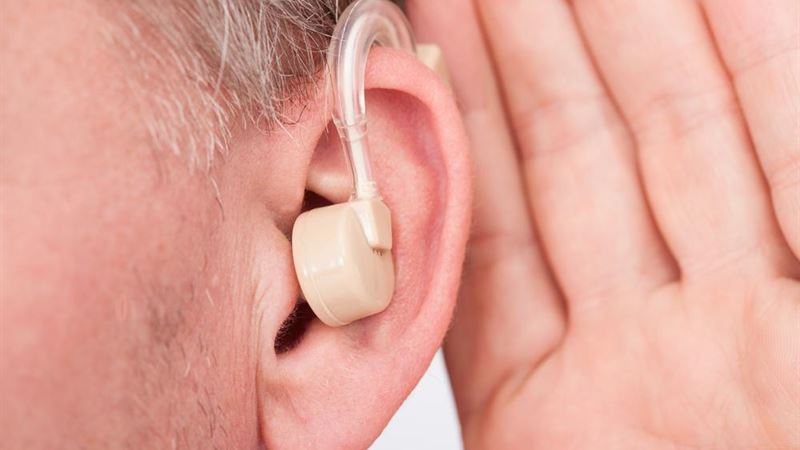
Many individuals experiencing hearing impairment often hesitate to purchase hearing aids primarily because of their high costs. The reality is that quality hearing devices can be expensive, posing a barrier for many potential users. But don’t let financial concerns prevent you from improving your hearing health. There are effective strategies to acquire reliable hearing aids without overspending. This comprehensive guide will explore practical tips and actionable steps to help you find affordable hearing aids that meet your needs without breaking the bank.
- Investigate Insurance Coverage and Financial Assistance Options
While many health insurance policies do not officially cover the cost of hearing aids, it’s worthwhile to review your policy details thoroughly. Some insurers may offer partial reimbursements or discounts, especially for certain brands or models. It's recommended to contact your insurance provider directly to understand the scope of coverage or any existing benefits related to hearing devices. Additionally, consider utilizing pre-tax dollars through health savings accounts (HSAs) or flexible spending accounts (FSAs) to make purchases more affordable. In some cases, you might find external programs, subsidies, or financial aid offered by government agencies or non-profit organizations dedicated to supporting individuals with hearing loss.
- Focus on Essential Features and Avoid Unnecessary Extras
The rapid advancement in hearing aid technology means newer models often come packed with features like Bluetooth connectivity, rechargeable batteries, noise cancellation, and more. While these features sound appealing, they may not be necessary for everyone's specific needs. Reflect on your lifestyle to determine which functionalities will genuinely benefit you. If basic hearing amplification suffices, prioritize simplicity and cost-effectiveness. Consulting with an audiologist or hearing specialist can help guide you toward selecting an appropriate device that balances affordability and effectiveness. By avoiding the temptation of high-end features you won’t use, you can significantly reduce your expenditure.
- Negotiate and Seek Discounts
Don’t hesitate to bargain when purchasing hearing aids. Prior research into different brands, models, and reviews can arm you with valuable information to negotiate confidently. Check online reviews, forums, and user testimonies for insights into product performance and reliability. Sometimes, retailers or clinics offer promotional discounts, seasonal sales, or bundle deals—be sure to inquire about such offers. In some instances, being well-informed about the product's pros and cons can lead to better bargaining power. Remember, discounts or special offers can significantly cut costs, making quality hearing aids more accessible.
- Utilize Support Programs and Community Resources
If you find the cost of hearing aids prohibitive, explore local and national assistance programs. Many government-funded initiatives, non-governmental organizations, and charitable foundations provide financial help or subsidized devices to qualifying individuals. Eligibility criteria vary; some programs may require documentation of income or specific health conditions. Applying for such support usually involves a formal process, but it can be a vital resource for those in need. Engaging with community groups, advocacy organizations, or social workers can also provide guidance and support throughout the application process.
- Make an Informed Purchase Decision with Professional Advice
Before finalizing your choice, consult with a licensed audiologist or hearing specialist. An expert can assess your hearing loss severity, recommend suitable devices, and advise you on features that are genuinely beneficial for your particular condition. It’s prudent to get professional guidance to avoid purchasing an ineffective or incompatible product. Additionally, consider requesting a written contract or purchase agreement from the retailer, especially if buying from a clinic or online store. Ensure the contract specifies the terms of trial period, return policies, warranties, and options for replacements or exchanges if the device doesn’t meet your expectations.
Equipped with these strategic tips, you can confidently pursue an affordable, high-quality hearing aid tailored to your needs. Remember, affordability should not compromise quality or comfort. By exploring insurance options, focusing on essential features, bargaining, leveraging community support, and seeking professional advice, you can find a suitable device that enhances your hearing health without straining your budget. Don’t delay your journey toward better hearing—take proactive steps today to secure an economical and effective hearing solution.