
Your Complete Guide to Finding Affordable Hearing Aids
Discover comprehensive strategies to find affordable hearing aids, including insurance tips, choosing the right device, exploring community programs, and ensuring proper after-sales support for optimal hearing health.
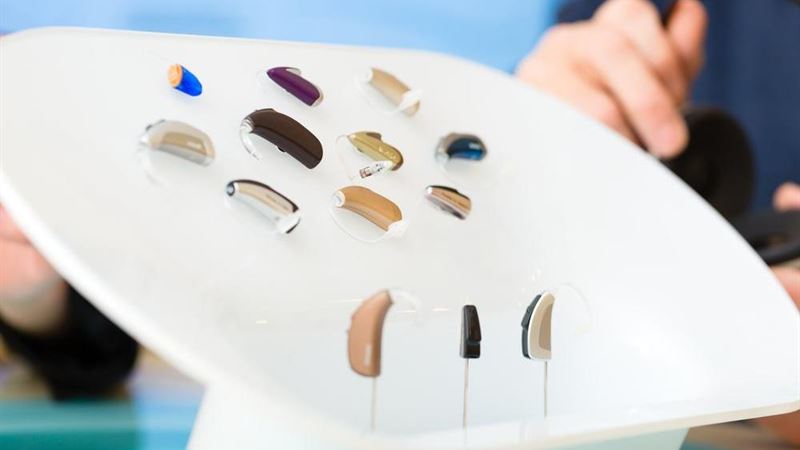
For countless individuals experiencing hearing difficulties, the quest for effective and budget-friendly hearing solutions is a top priority. While hearing aids are essential devices that significantly improve quality of life, their costs can often be prohibitive. Many people wonder whether their health insurance plans can help cover the expenses associated with purchasing hearing aids. Typically, coverage for hearing devices is limited or non-existent, with most insurance policies excluding these from their benefits. Nonetheless, it's worthwhile to examine your specific insurance policy for potential benefits or eligibility criteria that might assist with costs.
Understanding the nuances of health insurance coverage for hearing aids is crucial. Some insurance plans may have stipulations or special conditions under which they could partially reimburse or support the purchase of hearing aids. These conditions sometimes include demonstrating medical necessity or undergoing specific diagnostic evaluations by licensed audiologists. Navigating these requirements can be complex, but a thorough review of your policy or consulting with your insurance provider can clarify whether you qualify for any assistance.
When shopping for hearing aids, regardless of whether they are budget-friendly or high-end models, maintaining proper documentation is essential. Always request comprehensive receipts and warranty information in writing. These documents are indispensable in case your device encounters any issues or malfunctions. Having proof of purchase facilitates claims for refunds, repairs, or replacements. Ensuring that your purchase is well-documented protects your rights and minimizes potential financial loss.
It's important to remember that a higher price tag does not automatically equate to a better fit or more effective hearing aid for your specific needs. The key is to find a device suited to your degree and type of hearing loss, which may range from mild to severe. Conducting thorough diagnostics with an audiologist ensures you select a hearing aid designed precisely for your unique hearing profile. Comfort and functionality should be paramount, with the device providing clear sound and ease of use.
Many affordable options now exist, including basic models that deliver reliable performance for those with mild to moderate hearing loss. These models often include features such as simple volume control or user-friendly adjustments. Advances in technology have led to the development of cost-effective hearing aids that do not compromise on quality or effectiveness. Exploring these options can save you money while still providing significant auditory improvements.
Additionally, consider exploring government programs, non-profit organizations, or charitable foundations that focus on providing affordable or subsidized hearing aids to eligible individuals. Various campaigns and initiatives aim to bridge the gap in hearing health care affordability, making it easier for those in need to access vital devices. Research local resources and community health programs that could assist you in obtaining an affordable hearing aid solution.
Before finalizing your purchase, it's also wise to take into account the after-sales service and support offered by the provider. A reputable supplier should offer comprehensive warranties, free fitting, and post-purchase follow-ups to ensure the device functions optimally. Proper maintenance and regular check-ups can considerably extend the lifespan and performance of your hearing aid.
In summary, finding an affordable hearing aid involves understanding your insurance options, thoroughly researching different models, seeking professional diagnostics, and exploring community assistance programs. Remember to keep all receipts and warranty documents safe, which will be invaluable if any issues arise. Prioritizing comfort, effectiveness, and suitability to your hearing loss will ensure you get the best value for your investment, ultimately improving your hearing health and overall quality of life.