
Comprehensive Guide on Pneumococcal Vaccination: Protecting Your Health
This comprehensive guide emphasizes the importance of pneumococcal vaccination in preventing pneumonia, especially for seniors, individuals with health issues, and vulnerable populations. Learn who should get vaccinated, the safety profile, and how lifestyle factors like smoking and alcohol impact pneumonia risk. Take preventive action now to safeguard your health with proven vaccines that offer a safe and effective shield against serious respiratory infections.
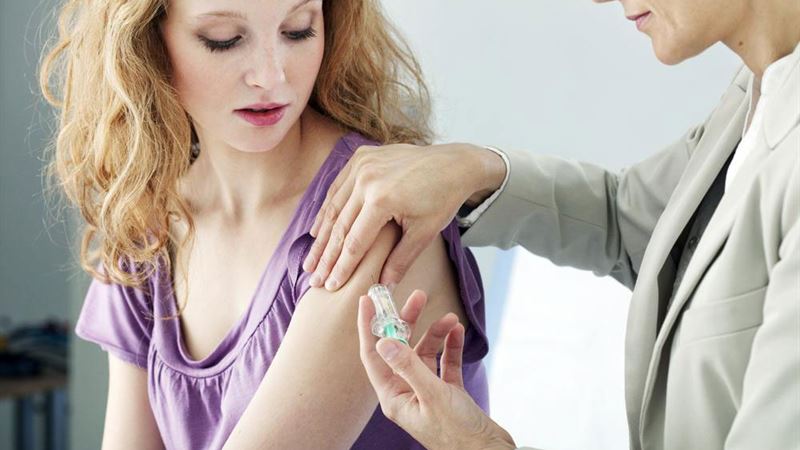
Pneumococcal vaccination is a crucial aspect of preventive healthcare, especially for certain vulnerable populations. While it is generally recommended for infants and seniors over 65, recent insights highlight the importance of vaccination for specific groups within the adult population as well. Understanding who should get vaccinated and why is essential for reducing the risk of pneumonia and related infections that can cause severe complications or even be life-threatening.
Pneumococcal bacteria are responsible for a significant burden of respiratory infections worldwide. They can cause pneumonia, meningitis, ear infections, and bloodstream infections. Vaccination acts as an effective shield, preparing the immune system to fight off these bacteria if encountered, thereby preventing the development of serious illnesses. The importance of pneumococcal vaccines has grown, notably with the increasing prevalence of antibiotic-resistant strains, making vaccination an even more critical preventative measure.
Who Should Consider Pneumococcal Vaccination?
- Senior Citizens: Individuals aged 65 and older are the primary recipients of pneumococcal vaccination, as their immune systems tend to weaken with age, increasing susceptibility to bacterial infections.
- Young Children: Babies and young children are highly vulnerable because their immune systems are still developing. Specific vaccines are recommended for children to prevent severe infections.
- Adults with Chronic Health Conditions: Those suffering from chronic respiratory diseases like COPD, asthma, or heart disease should consider vaccination to mitigate additional risks.
- Immunocompromised Persons: Cancer patients undergoing treatment, individuals with HIV/AIDS, or those on immunosuppressive therapies should get vaccinated to protect against pneumonia and related illnesses.
- People with Underlying Medical Conditions: Conditions such as diabetes, liver disease, or kidney failure can impair immune defenses, thereby increasing the risk of infection.
- Individuals Undergoing Major Surgery or ICU Patients: Patients who have recently undergone major surgical procedures or have been in intensive care units (ICUs), especially those on ventilators, are at heightened risk of pneumonia and should consider vaccination.
Additional Factors Increasing Pneumonia Risk
Besides age and health conditions, certain lifestyle factors can predispose individuals to pneumonia. Heavy alcohol consumption, for instance, has a detrimental impact on immune function, reducing white blood cells' ability to combat bacteria effectively. Alcoholism significantly raises the risk of pneumonia and other infections. Similarly, smoking damages the lung's filtration system, impairing its capability to trap and eliminate harmful pathogens. The longer the smoking habit persists, the greater the damage, which can lead to increased vulnerability to respiratory infections. Quitting smoking and moderating alcohol intake are crucial lifestyle changes to lower the risk of pneumonia.
Vaccination Safety and Side Effects
One common concern regarding vaccines pertains to safety. It's reassuring to note that pneumococcal vaccines are highly safe, with minimal side effects. The most typical reactions are mild and transient, including soreness or swelling at the injection site, or a slight fever. Serious adverse events are exceedingly rare, affecting less than 1% of recipients. This safety profile makes the decision to get vaccinated straightforward, especially for those at higher risk of pneumonia. Remember, the vaccine is composed of a harmless extract of the bacteria, which stimulates the immune system without causing the disease itself.
The Importance of Vaccination Compliance
In light of these facts, individuals with an increased risk of pneumonia should prioritize getting vaccinated. Not only does it provide protection against serious illness, but it also contributes to broader community health by lowering pathogen transmission rates. Healthcare providers recommend that eligible populations stay up to date with pneumococcal vaccinations, including booster doses if necessary, as per national guidelines. Taking this simple step can remarkably reduce hospitalizations and fatalities related to pneumonia, especially during flu seasons or outbreaks.
Conclusion: Protect Your Health Today
Preventive measures like vaccination are vital components of health maintenance, particularly for vulnerable groups. The safety, simplicity, and effectiveness of pneumococcal vaccines make them an essential tool in fighting pneumonia. If you belong to any of the high-risk categories, consult your healthcare professional to schedule your vaccination. Protect yourself and your loved ones from preventable infections — a proactive approach today can safeguard your health tomorrow.