
Comprehensive Guide to Outdoor Playset Maintenance for Safety and Longevity
This comprehensive guide provides detailed steps for maintaining outdoor playsets, emphasizing inspection, cleaning, and sealing. Regular upkeep ensures safety, longevity, and aesthetic appeal. Learn how to properly inspect, clean, and reseal your playset to keep it in top condition for years of safe fun.
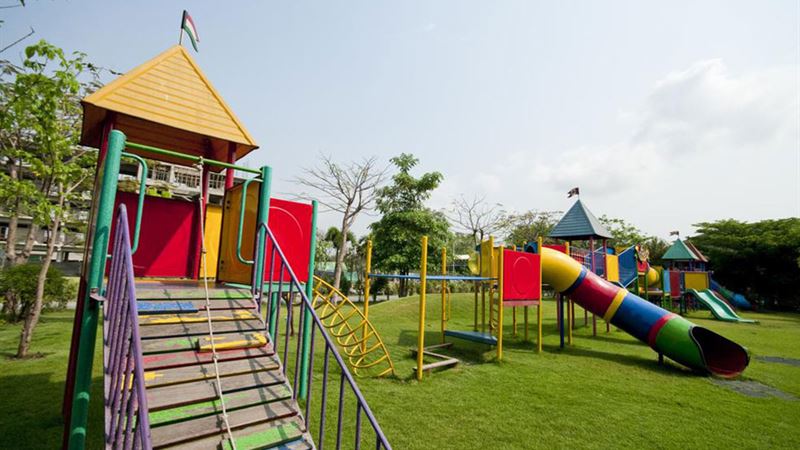
Thorough Inspection and Tightening
The first step in maintaining your outdoor playset involves meticulous inspection, particularly after winter or prolonged periods of harsh weather. Once snow has melted and warmer temperatures become consistent, it's crucial to examine every component for signs of wear, damage, or potential safety risks. Start by inspecting all bolts, screws, and fixtures, ensuring they are secure and tight. Loose bolts can compromise stability, leading to accidents, so tighten any that are found to be loose using appropriate tools. Check for splinters, cracks, or splintered areas on wooden surfaces, and sand down rough spots to prevent splinters and minor injuries.
Pay special attention to the condition of swing chains, seats, slides, and any attached accessories. Look for rusted or corroded metal parts, and replace or repair as needed to prevent breakage. Plastic components, including slides and handles, should also be examined closely for cracks, brittleness, or deformation caused by sun exposure or temperature shifts. For safety, replace damaged parts immediately. Regularly scheduled inspections—preferably every three months—are recommended to catch issues early and perform preventive repairs, significantly extending your playset's lifespan and keeping your children safe.
Deep Cleaning and Washing
After completing your inspection, a thorough cleaning process is necessary to remove dirt, grime, mold, and other contaminants accumulated over time. Use a pressure washer at a gentle setting to ensure deep cleaning without damaging the wood or plastic surfaces. This process helps strip away oxidized sealants, old paint, and accumulated debris, making the surface ready for resealing. For wooden playsets, a mixture of bleach and water (typically one part bleach to three parts water) can be used cautiously to disinfect and remove mold or mildew, ensuring a hygienic environment for children.
Plastic parts like slides, handles, and swings can be cleaned with soapy water—using a mild detergent or specialized plastic cleaner—to remove dirt and discoloration. Rinse thoroughly to ensure no soap residue remains, as leftover soap can cause slippage or affect the bonding of sealants. During colder months or less busy periods, regular cleaning helps maintain the aesthetic appeal of your playset, preventing the buildup of mildew and mold that can deteriorate materials over time. Remember, a clean playset is safer and more inviting for kids to enjoy.
Applying Protective Sealants
Once the entire playset is cleaned and inspected, allow it to dry completely—preferably for at least 48 hours—before applying any new sealant or protective coating. Proper drying is crucial to ensure optimal adhesion of the sealant. For wooden structures, applying a high-quality, oil-based water sealant enhances water resistance while improving durability against weathering. Customized color stains can add vibrancy and extra protection, but ensure they are suitable for outdoor use and compatible with the wood type.
When choosing a sealant, opt for products designed specifically for outdoor wooden surfaces, as they tend to last longer and provide superior protection compared to water-based options. Apply an even coat using brushes or sprayers, covering all surfaces, especially joints and edges vulnerable to water intrusion. After completing the application, allow the sealant to cure and dry for at least 24 hours before children use the equipment again, ensuring maximum effectiveness. Regular resealing—preferably annually or bi-annually—will significantly extend the lifespan of your outdoor playset, keep it looking vibrant, and maintain safety standards.
Maintaining an outdoor playset is an ongoing process that requires diligence and routine care. By following these detailed steps—inspection, cleaning, and sealing—you can dramatically improve safety, enhance the visual appeal, and extend the life of your children's outdoor play structure. Remember, proactive maintenance not only saves money in the long run but also provides your family with a safe, fun environment for years to come. Implementing these strategies ensures that your outdoor playset remains a source of joy and activity for many seasons, with minimal risk of accidents caused by neglect or wear and tear. Stay committed to regular upkeep and your outdoor playset will reward you with years of safe, enjoyable play.