
Comprehensive Guide to Understanding Dental Implants Pricing and Costs
This in-depth guide provides a detailed understanding of dental implant costs, including factors influencing prices, options for single or multiple teeth, implant-supported dentures, and additional expenses. It aims to empower patients with knowledge to make informed decisions about their dental health investments, highlighting the importance of quality, procedure complexity, and long-term benefits in choosing dental implants.
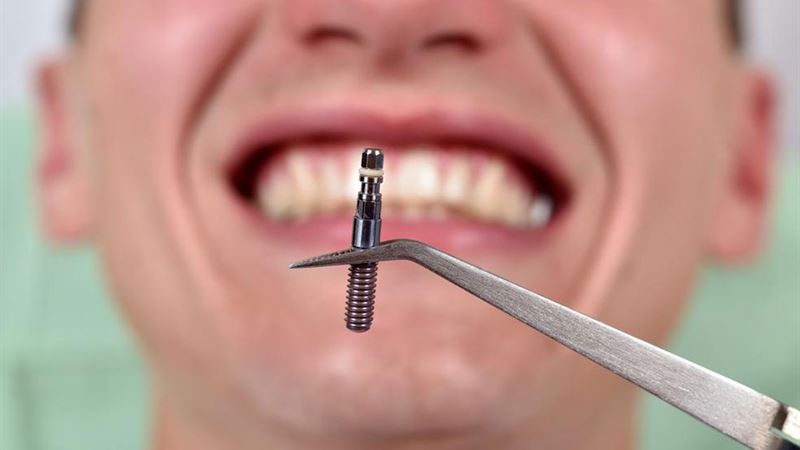
Dental implant procedures have become a popular and effective solution for restoring missing teeth, offering durability and a natural appearance. However, understanding the various factors that influence the overall costs associated with dental implants is essential for anyone considering this dental treatment. This comprehensive guide aims to demystify the expenses involved, highlight the key factors affecting prices, and help patients make informed decisions regarding their dental health and finances.
First, it is important to recognize that the cost of a single dental implant can vary significantly depending on multiple factors, including the type of implant, the material used, and the specific needs of the patient. While traditional complete dentures may cost as low as $1,000, dental implants tend to be a more substantial investment. The choice between different types of implants and the complexity of the procedure can greatly influence the final price.
Factors Determining Dental Implants Cost
- Material Quality and Type: High-quality implants made from biocompatible materials such as titanium usually come with a higher price tag, but they tend to last longer and integrate better with the jawbone. Cheaper options may be made from substandard materials that are more prone to damage or failure.
- Number of Implants Needed: The total cost increases with the number of teeth that require replacement. Replacing a single tooth involves just one implant, but replacing multiple teeth or full arches requires more implants, thus increasing overall expenses.
- Complexity of the Procedure: Cases requiring additional procedures such as bone grafting, sinus lifts, or gum treatments will incur extra costs. These procedures are often necessary to ensure proper implant stability and integration.
- Customization and Aesthetic Considerations: Custom-made prosthetics, such as crowns, bridges, or full dentures, designed to match individual patient needs, tend to be more expensive but offer better aesthetics and comfort.
Cost of Single Tooth Implants and Multiple Teeth Replacement
The typical cost for a single dental implant with a crown ranges from approximately $3,000 to $5,000. This includes the implant itself, placement procedure, and the crown that restores the tooth's function and appearance. Costs can go higher depending on the materials used and the complexity of the case.
When replacing multiple teeth, such as three or four, the total expense can range from $6,000 to $10,000 or more. This involves placing several implants, along with the necessary restorative work. It’s important to have a healthy jawbone to securely anchor these implants; if the bone has deteriorated, bone grafting procedures could add to the costs.
Implant-Supported Dentures: An Alternative Solution
Implant-supported dentures have gained popularity due to their enhanced stability and longevity. These are designed to provide a fixed solution for patients who have lost multiple teeth, especially in the lower jaw where traditional dentures often do not fit securely. The cost for an entire arch of teeth supported by implants typically ranges between $15,000 and $30,000 per jaw.
The price varies depending on the number of implants needed, the type of prosthetic used, and whether additional procedures like bone grafting are required. Some patients may need to have remaining teeth extracted prior to implant placement, which can increase overall costs. Despite the higher initial price, implant-supported dentures often prove to be more cost-effective in the long run due to their durability and improved function.
Additional Costs and Considerations
Patients should be aware that the total expense of dental implant treatment might include additional costs such as:
- Pre-Procedure Assessments: X-rays, CT scans, and comprehensive dental examinations are essential for planning the procedure and ensuring suitability.
- Preparatory Procedures: Bone grafts, sinus lifts, or gum treatments may be necessary if the jawbone or gums are insufficient to support implants.
- Post-Operative Care: Follow-up visits, medication, and maintenance treatments are important to ensure successful healing and long-term implant stability.
In conclusion, investing in dental implants is a significant decision that combines considerations of cost, durability, and aesthetics. While the price range may seem high, the benefits of improved function, appearance, and quality of life are invaluable. Consulting with a qualified dental specialist can help determine the most appropriate and cost-effective treatment plan tailored to individual needs.