
Comprehensive Guide to Power Connectors: Types, Features, and Leading Brands
This comprehensive guide explores various power connector types, their features, components, and top brands. It provides insights into how to select the right connectors for different applications, emphasizing safety, durability, and compatibility across industries like electronics and automotive. Learn about the key differences between connectors handling AC and DC power, their assembly methods, and special resistance features. Discover industry-leading brands committed to quality and innovation, ensuring reliable power connections in all settings.
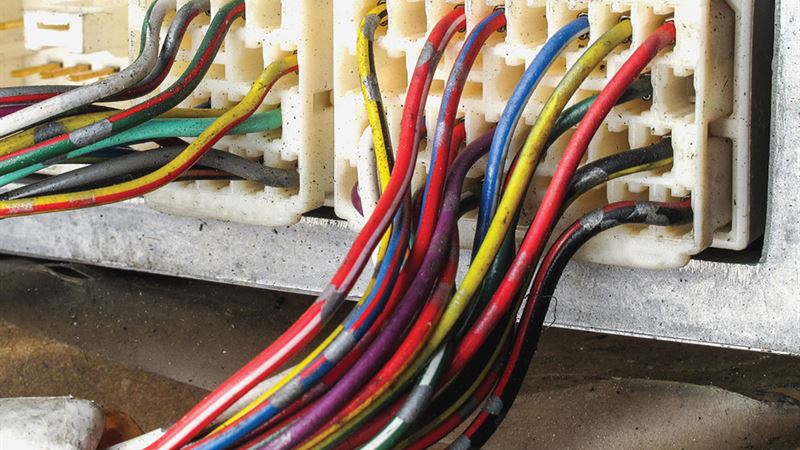
Understanding the Different Types of Power Connectors
Types of Power Connectors by Current Type
- DC Power Connectors: These connectors are designed to facilitate direct current transfer in devices like laptops, smartphones, and automotive electronics. They typically feature a barrel-shaped design or specialized locking mechanisms to ensure a secure connection. Examples include the DC power jacks and plugs used in chargers and portable electronics.
- AC Power Connectors: Used to connect appliances and systems to an alternating current mains supply, these connectors must meet safety standards to handle voltage fluctuations and provide safety insulation. Common types include IEC connectors, NEMA plugs, and twist-lock connectors.
Connector Types Based on Connection Duration and Assembly Method
- Permanent Connectors: These are typically soldered or fixed into place during manufacturing, providing a stable connection suitable for high-reliability applications like industrial equipment or fixed installations.
- Removable Connectors: Designed for easy disconnection, these connectors include plug-and-socket types used in consumer electronics, extension cords, and modular systems.
Interface Design: Male and Female Connectors
- Male Connectors: These are characterized by protruding pins or blades that insert into the female counterpart.
- Female Connectors: These contain sockets or receptacles to receive the male pins or blades.
Special Features and Resistance Capabilities
- Waterproof and water-resistant designs for outdoor or harsh environment applications.
- Vibration-resistant connectors suitable for automotive or industrial machinery.
- Shock-resistant features to maintain connection integrity during physical impacts.
- Physical damage resistance, often with reinforced shellings or strain reliefs.
Key Components of Power Connectors
- Blades or Pins: Conductive elements that transfer electrical power from one part of the system to another.
- Sockets or Receptacles: Female contacts designed to receive the male conductors securely.
- Plugs: Pre-assembled connectors that combine the blade and shell for easy connection.
- Casing and Housing: Protective shells that safeguard internal components against physical damage, dust, and moisture.
- Locking Mechanisms: Features such as latches, clips, or screw locks to prevent accidental disconnection.
Choosing the Correct Pinout
The pinout configuration is crucial for the optimal performance of power connectors. Correct wiring ensures safe and efficient power transfer, prevents accidental disconnections, and avoids damage. Manufacturers employ various methods for wire connection, including soldering, crimping, or wire wrapping. Understanding the pinout layout helps in troubleshooting and ensures compatibility between devices.
Top Power Connector Brands in the Industry
- J.S.T: Renowned for high-quality, reliable connectors suitable for consumer electronics, automotive, and industrial applications.
- JAE: A global leader in advanced connector solutions with a focus on high-speed data and power connections.
- Aptiv: Known for its extensive range of automotive connectors designed to endure harsh environments and ensure safety.
- Yazaki: Specializes in automotive electrical components, offering durable and efficient power connectors.