
Comprehensive Overview of Garcinia Cambogia and Its Role in Weight Management
Garcinia cambogia has become popular as a natural weight loss supplement, praised for its ability to suppress appetite and prevent fat synthesis through hydroxycitric acid. Despite extensive marketing and availability online, scientific evidence supporting its effectiveness remains mixed. Many users report quick results, but safety concerns, including side effects and quality control issues, are common. Consulting healthcare professionals before use is critical. This comprehensive guide explores the science, benefits, risks, and appropriate usage of garcinia cambogia, helping consumers make informed decisions in their weight management journey.
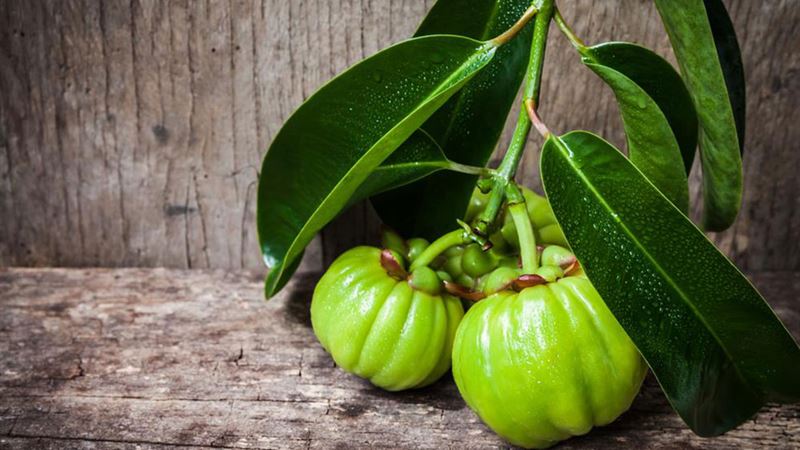
Garcinia cambogia, a tropical fruit native to Southeast Asia, has gained widespread popularity as a natural supplement purported to assist with weight loss. Its dried rind contains active compounds that have intrigued health enthusiasts and researchers alike. Over the years, this fruit has been marketed heavily in various countries, especially in the United States, where it was heralded as a revolutionary breakthrough in nutraceuticals for weight management. Despite its popularity, there has been ongoing debate regarding its actual efficacy, safety profile, and potential side effects.
Retailers and online marketplaces offer garcinia cambogia supplements in multiple forms, predominantly as capsules and tablets designed specifically for weight loss. These products are readily available on major e-commerce platforms such as Amazon, with price points starting around $16. Some premium formulations are priced as high as $200, though numerous discounts and promotional offers often make purchasing more affordable. The accessibility and aggressive marketing tactics have contributed to its rapid rise in popularity among consumers seeking quick and natural weight loss solutions.
While many individuals have turned to garcinia cambogia for purported fat-burning benefits, concerns have been raised by health professionals and consumers alike regarding the safety and reliability of these products. Several reports and studies have scrutinized the ingredients, manufacturing practices, and potential risks involved in consuming garcinia cambogia supplements regularly.
The primary active compound in garcinia cambogia that is believed to contribute to weight loss is hydroxycitric acid (HCA). This compound is claimed to exert two main actions: firstly, it inhibits an enzyme involved in fat synthesis, thereby reducing the body's ability to produce and store new fat. Secondly, HCA is thought to suppress appetite, which can lead to decreased caloric intake. These combined effects position garcinia cambogia as an appealing supplement for those aiming to lose weight naturally and quickly.
Proponents of garcinia cambogia often claim that users can observe noticeable results within just a week of consistent use. Such rapid results, however, raise questions about the authenticity and safety of these claims. Skeptics and health experts argue that such rapid weight loss may be unrealistic or even potentially hazardous, especially if used improperly or without medical supervision.
The scientific community remains divided on the efficacy of garcinia cambogia. Several scientific studies have shown mixed results — some indicating modest weight loss benefits, while others find negligible or no significant effects. The variability in study outcomes can be attributed to differences in dosages, formulations, and study durations. Additionally, individual factors such as metabolism, diet, and exercise play crucial roles in determining weight loss outcomes, making it difficult to attribute success solely to garcinia cambogia.
Beyond questions of effectiveness, safety concerns have emerged. Some users report side effects including digestive discomfort, headaches, and dizziness. Rare but serious adverse events such as liver toxicity have been reported, leading regulatory agencies like the FDA to issue warnings about unregulated supplements containing garcinia cambogia. It is crucial for consumers to understand that dietary supplements are not subjected to the same rigorous testing as pharmaceutical drugs, and quality control issues can lead to contamination or inaccurate labeling.
If you are considering using garcinia cambogia as part of your weight management plan, thorough research and consultation with a healthcare professional are essential. Review the manufacturing processes, ingredient purity, recommended dosages, and potential interactions with other medications. Remember that no supplement can replace a balanced diet and regular exercise — the cornerstone of sustainable weight loss.
In conclusion, while garcinia cambogia may offer some benefits for weight control, it is not a magic bullet. Its effectiveness varies among individuals, and safety concerns warrant cautious use. Educated decision-making, coupled with medical advice, should guide your choices when exploring natural supplements for weight loss.