
Comprehensive Guide to Turmeric Supplements: Benefits, Usage, and Insights
Explore the comprehensive benefits and usage tips for turmeric supplements. Learn about effective dosages, absorption methods, and potential health advantages like reducing inflammation and protecting against degenerative diseases. This detailed guide covers everything you need to know before incorporating turmeric into your health routine, supported by current research and expert advice.
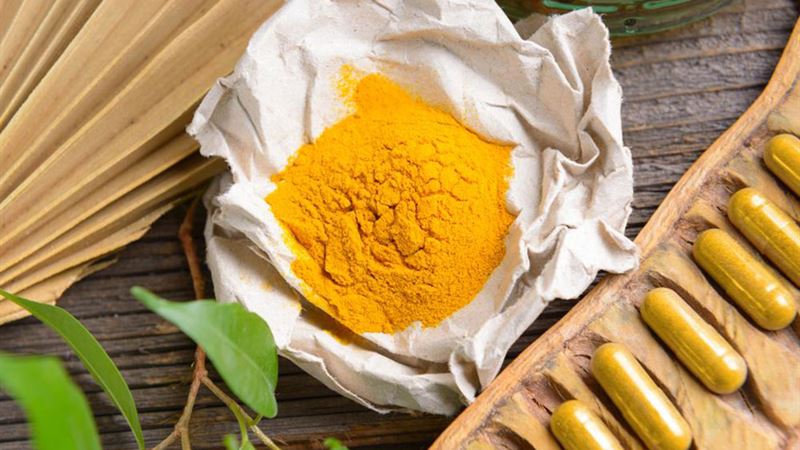
Turmeric supplements have gained significant popularity in recent years, thanks to their numerous health benefits and natural origin. Before incorporating turmeric into your health regimen, it’s crucial to understand the essential facts about its use, benefits, and potential considerations. Turmeric, a vibrant yellow-orange spice derived from the root of the Curcuma longa plant, has been used for centuries in traditional medicine, especially in Ayurveda and Chinese medicine. Modern research has begun to validate many of these ancient claims, highlighting turmeric’s powerful anti-inflammatory and antioxidant properties.
Recent scientific studies have shown that turmeric supplementation can play a role in reducing inflammation, alleviating pain, and potentially shielding the body from chronic degenerative diseases such as Alzheimer’s disease, cardiovascular issues, and stroke. These findings are promising, yet most of the evidence comes from laboratory tests and animal studies. Human clinical trials are ongoing to confirm these benefits, and individual responses may vary.
One of the key compounds responsible for turmeric’s medicinal effects is curcumin, a natural polyphenol that gives turmeric its distinctive color. The concentration of curcumin in turmeric spice can vary, and standardized supplements often contain higher, concentrated doses to optimize health benefits. Determining the proper dosage of curcumin can be complex, with recommendations fluctuating between a modest 200 mg daily to high doses of 5,000 mg spread throughout the day.
Absorption of curcumin by the body poses a challenge because it’s poorly bioavailable when consumed alone. To enhance absorption, it is advisable to take turmeric or curcumin supplements with healthy fats such as olive oil, coconut oil, or foods like yogurt. These fats help improve the solubility and uptake of curcumin in the gastrointestinal tract. Additionally, combining curcumin supplements with piperine, a compound found in black pepper, can significantly increase bioavailability.
Turmeric can be included in your diet in various forms: fresh roots, dried powder, capsule supplements, tinctures, and extracts. For instance, raw turmeric root can be consumed in amounts of 1.5 to 3 grams daily. Dried turmeric powder typically contains 1 to 3 grams of curcumin per dose. Standardized curcumin supplements often recommend doses of 400 to 600 mg taken three times a day to maintain consistent therapeutic levels. For tinctures, a common serving size is 15-30 drops, administered four times per day, typically in a 1:2 ratio of tincture to carrier.
It’s important to consult with a healthcare provider before starting any new supplement regimen, especially if you are pregnant, nursing, or taking medication. While turmeric is generally considered safe, high doses can cause side effects like gastrointestinal upset or interact with blood-thinning medications.
In conclusion, turmeric supplements offer promising health benefits, but understanding how to use them properly is essential. Be mindful of dosage, absorption methods, and potential interactions. As research continues, turmeric remains a noteworthy natural supplement that could support your overall health and well-being.