
Comprehensive Guide to Protecting and Maintaining Healthy Eyes
Discover comprehensive strategies to safeguard your eye health through preventive measures, lifestyle habits, and regular eye examinations. Learn how to protect your vision from UV rays, digital strain, and underlying health conditions. Early intervention and proper care can keep your eyes healthy and vision sharp for years to come.
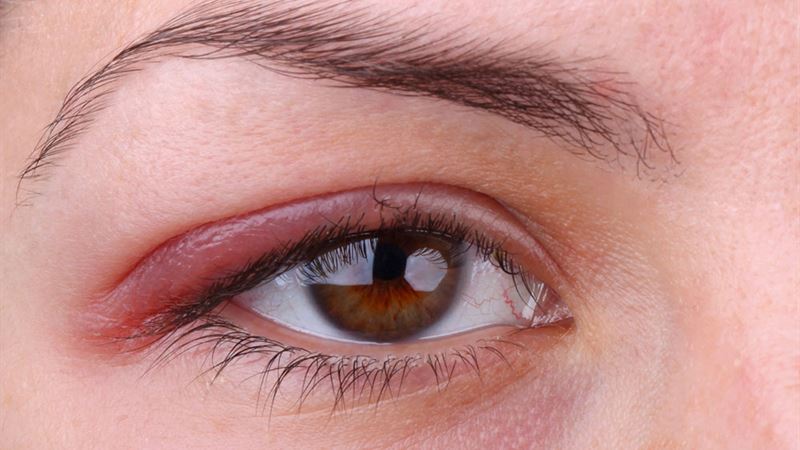
Maintaining optimal eye health is essential for overall well-being and quality of life. Recognizing early signs of eye issues and implementing preventive measures can significantly reduce the risk of serious eye conditions later in life. Eye health is influenced by lifestyle choices, environment, and genetics, but many problems can be mitigated through effective habits and awareness.
The importance of early intervention and regular eye check-ups
Regular eye examinations are the cornerstone of early detection for many ocular conditions. Routine check-ups help identify problems like glaucoma, age-related macular degeneration, or cataracts before symptoms escalate. Early diagnosis facilitates less invasive treatments, preserves vision, and enhances quality of life. It is recommended that individuals over the age of 40 or those with risk factors have comprehensive eye exams at least once every two years.
Protect your eyes from harmful UV radiation
The sun's ultraviolet rays pose a significant threat to eye health, contributing to conditions such as cataracts, pterygium, and macular degeneration. To shield your eyes effectively, invest in high-quality sunglasses that block 100% of UVA and UVB rays. Wearing a broad-brimmed hat outdoors also offers added protection. Remember, UV damage can occur even on cloudy days, so consistent protection is key.
Maintain good eye hygiene and proper contact lens care
Proper hygiene practices are vital for contact lens users. Wash your hands thoroughly with soap and water before handling lenses to prevent bacterial transfer. Clean and disinfect lenses daily as per manufacturer instructions, and replace lens cases regularly to avoid contamination. Avoid sleeping in contacts unless prescribed by your eye care specialist. These habits help prevent eye infections such as keratitis, which can cause serious vision problems.
Limit screen time and practice the 20-20-20 rule
Extended exposure to screens from computers, tablets, or smartphones can cause digital eye strain, fatigue, dryness, and discomfort. To reduce these symptoms, adopt the 20-20-20 rule: every 20 minutes, look away at something 20 feet away for at least 20 seconds. Adjust screen brightness to match ambient lighting and maintain a proper viewing distance. Ensuring adequate lighting and blinking regularly will help keep eyes comfortable and healthy.
Adopt a healthy lifestyle and quit smoking
Smoking is a well-known risk factor for numerous health issues, including lung disease, cancer, and cardiovascular problems. It also has detrimental effects on your eye health by accelerating aging of ocular tissues, increasing the risk of macular degeneration, diabetic retinopathy, and optic nerve damage. Quitting smoking is one of the most impactful steps you can take to protect your eyes long-term. Additionally, maintaining a balanced diet and regular exercise supports overall eye health.
Manage pre-existing health conditions
Conditions like diabetes, hypertension, and obesity can severely affect vision if not properly managed. High blood sugar levels can damage blood vessels in the retina, leading to diabetic retinopathy, while high blood pressure can cause hypertensive retinopathy. Regular medical check-ups and adherence to treatment plans are essential for controlling these conditions. Consult your healthcare provider to understand how your health status impacts your eyes and seek specialized eye care when necessary.
Eat a nutrient-rich diet for superior eye health
Nutrition plays a vital role in maintaining healthy eyes. Incorporate leafy greens such as spinach, kale, and collards, which contain lutein and zeaxanthin—antioxidants critical for protecting against age-related macular degeneration. Include foods rich in omega-3 fatty acids, like salmon, mackerel, and chia seeds, which support retinal health and reduce dryness. Vitamin C-rich foods like oranges and strawberries also contribute to capillary strength and overall eye comfort. A balanced diet combining these nutrients fosters long-term ocular wellness.
Recognize symptoms and seek prompt medical attention
Early signs of eye problems include blurred vision, floaters, eye pain, sensitivity to light, or sudden visual changes. If you experience any of these symptoms, consult an eye specialist promptly. Timely intervention can prevent minor issues from progressing into irreversible damage. Be attentive to your visual health, and do not ignore persistent discomfort or changes in sight.
Adopting these healthy habits and staying vigilant about eye health is essential for preserving your vision well into old age. While genetics do play a role, proactive care through proper eye hygiene, protective measures, lifestyle adjustments, and regular screening can dramatically reduce the risk of severe ocular diseases. Protecting your eyes is an investment in your overall health and quality of life, so start integrating these practices today for clearer, healthier vision tomorrow.