
Essential Vitamins for Eye Health: Protect and Improve Your Vision Naturally
Discover the essential vitamins and nutrients crucial for maintaining healthy eyesight. Learn how lutein, zeaxanthin, vitamins A, C, E, and zinc protect your eyes from age-related conditions, improve vision clarity, and support overall ocular health. Incorporate these nutrients into your diet through natural food sources or supplements for long-term eye protection and improved visual function.
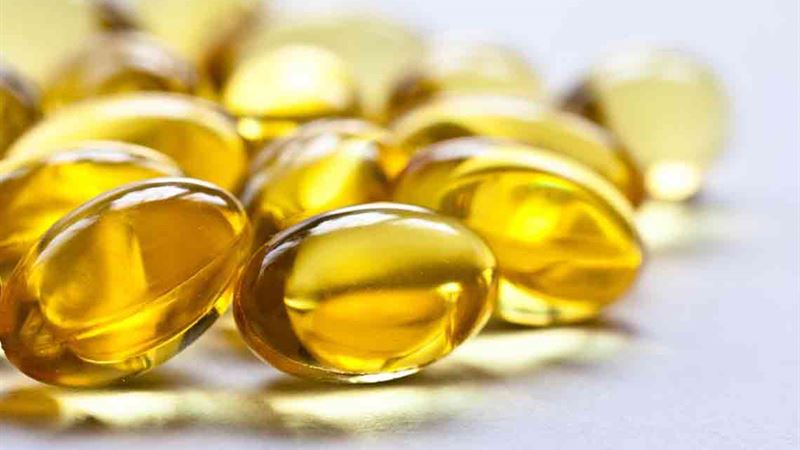
- Maintaining optimal eye health is vital for quality of life, and nutrition plays a crucial role in safeguarding vision and preventing eye-related ailments. Incorporating the right vitamins and nutrients into your daily diet can significantly reduce the risk of common eye conditions such as cataracts, macular degeneration, and dry eyes. Research continually emphasizes the importance of specific micronutrients that support eye function, protect tissues, and promote regenerative processes.
Experts recommend supplementing your diet with specific vitamins if you are at risk of deficiency or experiencing early symptoms of deterioration. A strategic approach combining both dietary sources and supplements can provide comprehensive protection for your eyes.
- Lutein: Recognized as one of the most beneficial antioxidants for eye health, lutein is often called “The Eye Vitamin” due to its protective effects. It primarily accumulates in the macula, the part of the retina responsible for sharp central vision, and in the lens, where it filters harmful blue light. Consuming foods rich in lutein such as dark leafy greens (spinach, kale), orange vegetables (carrots, sweet potatoes), citrus fruits, and egg yolks can substantially boost your intake. Scientific studies reveal that taking at least six milligrams of lutein daily may decrease the risk of age-related macular degeneration (AMD) by nearly 43%, offering significant protection against vision loss.
- Zeaxanthin: Often paired with lutein, zeaxanthin is another powerful carotenoid that shields the eye tissues. While the human diet contains hundreds of carotenoids, only a select few reach the eye tissues effectively. Zeaxanthin concentrates in the macula, acting as a natural blue light filter to protect the retina from oxidative damage. This nutrient also helps reduce glare sensitivity, prevents cataract formation, and preserves contrast sensitivity, essential for tasks like night driving or reading in low light.
- Vitamin C: An essential water-soluble antioxidant, vitamin C plays a multifaceted role in maintaining eye health. It combats free radicals—unstable molecules that cause cellular damage—and assists in regenerating other antioxidants within the eye tissues. Consuming adequate vitamin C through fruits like oranges, strawberries, and kiwi, or vegetables such as bell peppers and broccoli, can bolster the resilience of eye structures. Adequate vitamin C levels are linked to a reduced risk of cataracts and AMD. Moreover, it supports tissue repair and the health of blood vessels supplying the eyes.
- Vitamin E: This fat-soluble vitamin is critical in protecting cell membranes from oxidative damage caused by free radicals. It comprises a group of compounds called tocopherols and tocotrienols, which work synergistically to safeguard ocular tissues. Research indicates that about 400 IU of vitamin E daily can lower the risk of developing advanced macular degeneration by 25%. Ensuring adequate vitamin E intake through nuts, seeds, vegetable oils, and green leafy vegetables can be an effective strategy to preserve vision and prevent age-related degeneration.
- Vitamin A (Beta-Carotene): Vital for visual acuity and overall eye health, vitamin A is a crucial component of the visual cycle. Its active form, retinol, and plant-derived precursor, beta-carotene, support the health of the cornea and prevent night blindness. Consuming foods rich in beta-carotene such as carrots, pumpkin, squash, and leafy greens ensures proper functioning of the retina and aids in tissue repair. Deficiencies can lead to xerophthalmia—a condition characterized by dry eyes and corneal damage—and can impair night vision. Adequate vitamin A intake, especially when combined with vitamins C and E, enhances healing processes and reduces inflammation.
- Zinc: An essential trace mineral involved in over 100 enzymatic processes, zinc plays a key role in converting vitamin A into its active form, supporting cellular health in the eyes. It is crucial for maintaining the health of the retina, facilitating nutrient transport, and fighting inflammation. Zinc-rich foods include grass-fed meats, seafood like oysters and fish, nuts, and legumes. Adequate zinc levels have been associated with a lower incidence of age-related macular degeneration and cataracts, making it vital for overall ocular health.
Maintaining good eye health requires a balanced diet rich in antioxidants, vitamins, and minerals. Lutein, zeaxanthin, vitamin C, vitamin E, vitamin A, and zinc are among the top nutrients that support visual clarity, protect sensitive tissues, and prevent age-related diseases. By making conscious dietary choices and seeking professional advice, you can naturally safeguard your eyesight for years to come.