
Comprehensive Guide to the Top 3 Eye Conditions Impacting Vision and Eye Health
This comprehensive article delves into the top three eye conditions—glaucoma, cataracts, and diabetic retinopathy—that threaten vision health. It explains their causes, symptoms, risk factors, and preventive measures, highlighting the importance of early detection and timely treatment. Maintaining regular eye examinations and healthy lifestyle choices are essential for safeguarding your eyesight. The article provides valuable insights into managing eye health effectively, emphasizing early diagnosis and intervention to prevent irreversible vision loss.
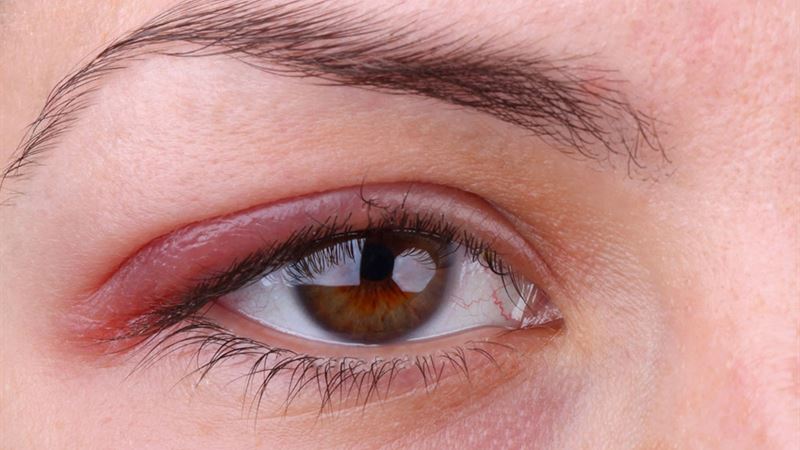
Glaucoma: The Silent Thief of Sight
What is Glaucoma?
Glaucoma is a group of eye conditions that damage the optic nerve, which transmits visual information from the retina to the brain. This damage is often linked to elevated intraocular pressure (IOP) caused by fluid buildup inside the eye. The increased pressure can exert pressure on the optic nerve fibers, leading to their gradual deterioration. As glaucoma progresses, it can result in permanent vision loss if not detected and managed promptly.
Recognizing the Symptoms
One of the challenges with glaucoma is that it usually develops with no noticeable symptoms until significant damage has occurred. However, some individuals may experience signs such as:
- Nausea and vomiting in advanced stages
- Blurred visual perception or patchy vision
- Intense eye pain coupled with nausea and vomiting
- Redness in the affected eye
- Persistent headaches
- Pain or tenderness around the eye area
- Seeing halos or rainbow-colored rings around lights
Key Risk Factors for Glaucoma
- Genetics and Family History: Individuals with relatives who have glaucoma are at increased risk, emphasizing the importance of family medical history.
- Ethnicity: Certain ethnic groups, such as African-Americans, are disproportionately affected, especially at younger ages.
- Age: The likelihood of developing glaucoma increases significantly after age 60, though African-American populations face higher risk starting at 40.
- Refractive Errors: Myopic (short-sighted) individuals are more prone to certain forms of glaucoma.
- Medical Conditions: Diseases like diabetes mellitus further elevate the risk due to their propensity to damage blood vessels, including those in the eyes.
Cataracts: Clouding of the Eye Lens
The lens of the eye plays a vital role in focusing light onto the retina to produce clear images. A cataract develops when proteins within the lens begin to clump together, resulting in a cloudy or opaque area. This cloudiness can interfere with light transmission, causing vision impairment that worsens over time. Untreated cataracts may lead to partial or complete blindness, particularly if they affect both eyes.
Symptoms of Cataract
- Misty, blurry, or foggy vision
- Colors appearing dull or faded
- Glares and halos around lights, especially at night
- Difficulty seeing in low-light conditions
Factors that Increase the Risk of Cataract Development
- Age: Most common in people over 60, but can affect infants and young children in rare cases.
- Family History: Having relatives with cataracts raises risk, highlighting genetic predisposition.
- Substance Abuse and Medications: Excessive alcohol intake, extended steroid use, or substance abuse can accelerate cataract formation.
- Medical Conditions: Conditions such as diabetes significantly increase cataract risk due to metabolic disturbances affecting the lens.
Diabetic Retinopathy: Diabetes-Induced Damage to Eye Retina
Diabetic retinopathy is a serious complication stemming from prolonged high blood sugar levels. It involves damage to the tiny blood vessels in the retina—the light-sensitive tissue at the back of the eye—leading to leakage, swelling, or abnormal growth of blood vessels. If left untreated, diabetic retinopathy can cause irreversible blindness and is a leading cause among working-age adults.
Symptoms and Detection
Remarkably, early-stage diabetic retinopathy frequently presents with no noticeable symptoms. It is often discovered during routine eye examinations. As the condition progresses, visual symptoms may include:
- Blurry or fluctuating vision
- Floaters or dark spots in the field of view
- Difficulty seeing in dim lighting
- Sudden vision loss in advanced cases
Risk Factors for Diabetic Retinopathy
- Diabetes: Both type 1 and type 2 diabetes significantly increase the risk, especially when blood sugar is poorly controlled.
- Ethnicity: Higher prevalence among African-American, Native American, and Hispanic populations.
- Pregnancy: Pregnant women with diabetes have an increased risk of retinopathy development or worsening.
- Blood Pressure and Cholesterol: Elevated blood pressure and abnormal lipid levels contribute to retinal vessel damage.
Prevention and Management Strategies
Early detection is key in managing these eye conditions. Regular comprehensive eye exams, especially for individuals with risk factors, can prevent the progression of glaucoma, cataracts, and diabetic retinopathy. Maintaining healthy blood sugar levels, blood pressure, and cholesterol, along with lifestyle modifications like a balanced diet, regular exercise, and avoiding smoking, can significantly reduce the risk. Surgical interventions and medical treatments are available for advanced cases, emphasizing the importance of prompt professional care.
Conclusion
Protecting your vision requires awareness, regular eye check-ups, and managing underlying health conditions. By understanding the signs, symptoms, and risk factors associated with glaucoma, cataracts, and diabetic retinopathy, you can take proactive steps towards preserving your eyesight. Early intervention is crucial—don't wait for symptoms to become severe. Prioritize your eye health today to enjoy clear, vibrant vision tomorrow.