
Comprehensive Guide to Installing Garage Door Panels Successfully
Discover expert tips for installing garage door panels with confidence. This comprehensive guide covers everything from selecting the right panels and reading instructions, to organizing tools, handling high-tension springs safely, and ensuring proper fastening. Follow these detailed steps to achieve a smooth, safe, and professional-looking garage door installation that enhances your home's safety and aesthetic appeal. Perfect for DIY enthusiasts and homeowners looking to upgrade their garage doors efficiently and securely.
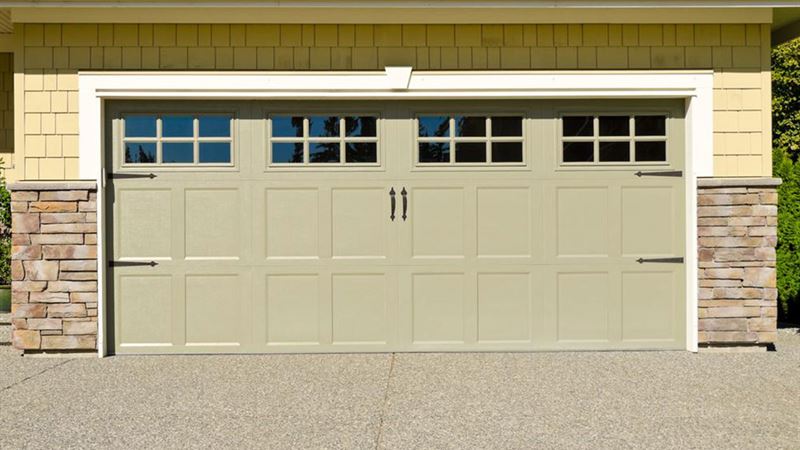
- Prioritize selecting the correct size and specifications when purchasing garage door panels. It's essential to verify the make and model of your existing door to ensure compatibility, as appearance alone can be deceiving. Don't hesitate to seek detailed information regarding garage door replacement panels from suppliers or manufacturers to avoid purchasing incorrect parts.
- Thoroughly review all instructions provided in the owner’s manual. Manufacturers' guidelines offer valuable insights into the installation process, highlighting critical steps, tools needed, and safety precautions. Familiarizing yourself with these instructions allows for a smoother installation experience and helps prevent mistakes that could compromise the door's functionality or safety.
- Organize all tools and parts methodically. Gather items such as screwdrivers, wrenches, drills, screws, bolts, and the replacement panels, arranging them in order of use. This planning minimizes interruptions, saves time, and reduces frustration during the installation process.
- In addition to the components included with your garage door panels, ensure you have extra materials such as a power drill, hammer, various screws, bolts, and a sturdy ladder. Consider having two ladders available if you have assistance, facilitating access and safety during the process.
- Begin removing the existing door panels systematically, starting from the top. For safety, always disconnect the automatic garage door opener by unplugging it before proceeding. This step avoids accidental operation that could cause injury.
- When detaching torsion springs from turnbuckles, exercise extreme caution. These springs are under high tension and can cause severe injuries or damage if mishandled. Use appropriate tools and techniques, and consider marking the springs with chalk to track the number of turns upon tightening.
- Use a chalk line or marker to keep track of the number of turns when adjusting torsion springs. Proper tensioning is crucial to ensure smooth door operation and safety.
- Ensure lag screws are anchored into solid framing. Tighten them gradually, verifying alignment and stability before proceeding. Proper fastening guarantees the door's durability and structural integrity.
- Begin tightening fasteners from the bottom panel and work upward. During this process, frequently test the door’s movement to confirm it slides smoothly within its tracks without obstruction or noise.
- Double-check that all screws, bolts, and fasteners are secure before reconnecting and powering the automatic garage door opener. This step guarantees safety and prevents future malfunctions.
- Once installation or repair is complete, thoroughly clear the workspace. Remove all tools, debris, and unused materials to ensure the door operates freely and safely without obstructions.
- Choose your garage door design carefully to match your home’s exterior. Whether you prefer traditional or modern styles, follow the manufacturer's instructions meticulously to ensure a hassle-free and secure installation, enhancing your property's appeal and functionality.