
Comprehensive Guide to Installing a Garage Door: Step-by-Step Instructions
This comprehensive guide provides detailed, step-by-step instructions for installing a garage door, covering everything from removing old components to securing new parts and ensuring safety. Perfect for DIY enthusiasts, it emphasizes safety, proper tool use, and precise measurements to achieve a smoothly functioning garage door system. By following these instructions, homeowners can complete a professional-grade installation with confidence, enhancing their property's functionality and security.
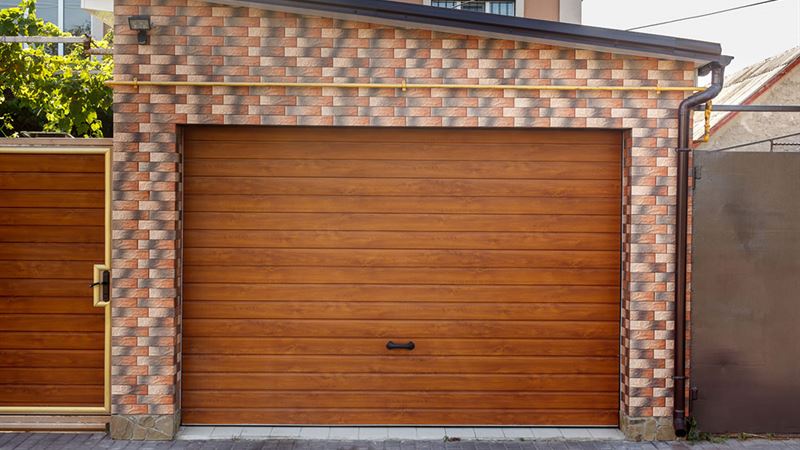
Step 1: Removing the Old Garage Door
Start by opening the existing garage door to a comfortable working height. Secure it in place with clamps or locking pliers to prevent accidental closing. Remove the horizontal tracks and disconnect them from the vertical tracks. Carefully unbolt the panels and drag the old door out of the opening. Use caution during this step, as old doors can be heavy and awkward to handle. Safely dispose of the remnants in accordance with local regulations.
Step 2: Preparing the Garage Opening
Inspect the garage frame for any damages or irregularities. Repair any issues before proceeding with the new installation. Make sure the opening is clean, level, and square, as precise measurements are critical for proper door operation. Confirm that the header is strong enough to support the new door's weight. Installing a reinforcement brace may be necessary if structural weaknesses are detected.
Step 3: Installing the New Door Panels
Lay out the new panels in order and identify the top and bottom sections. Drill pilot holes into the panels and attach the axles or hinges according to the manufacturer 's instructions. Place the bottom panels into the designated openings, ensuring they are centered and level. Secure the panels with screws, making sure they are tightly fastened without damaging the material.
Step 4: Securing Hinges and Attaching the Track
Attach hinges securely to both the panels and the side anchors. Install the brackets at the top of each panel, connecting them to the door frame. Once hinges are in place, assemble the horizontal and vertical tracks. Bolt the tracks together ensuring they are aligned properly. Attach the vertical track to the door opening and secure the horizontal track to the vertical section, maintaining a straight and even line for smooth operation.
Step 5: Mounting the Spring Assembly
The spring system is crucial for effortless opening and closing of the garage door. Attach the spring anchors to the springs, then secure the spring locking cones. Bolt the springs onto the header bracket, ensuring they are installed symmetrically and securely. Proper tensioning of springs is vital for balancing the door's weight and preventing malfunctions or safety hazards.
Step 6: Installing the Torsion Rods and Pulleys
Slide the torsion rods into the side header brackets, ensuring they pass smoothly through the center bearings. Secure the center header bracket to the wall or ceiling, aligning it with the holes. Mount the pulleys onto the torsion rods and attach the cables to the pulley wheels, ensuring even tension. Proper alignment of these components guarantees smooth operation and prolongs the lifespan of your garage door system.
Step 7: Attaching and Tensioning the Cables
Connect the cables onto the pulley wheels on both sides of the door. Slide the wheels into place and secure them to the header brackets. Use winding bars to carefully tighten the springs, applying the correct amount of tension. This step demands caution and precision, as over-tightening can cause safety issues while under-tightening may result in a door that lacks proper balance.
Step 8: Final Inspection and Safety Check
Once all components are assembled, double-check each connection, screw, and bolt. Ensure the tracks are aligned and the door opens and closes smoothly without obstruction. Test the safety features, such as automatic reversal systems, to confirm they are functioning correctly. Make adjustments as needed to optimize performance and safety.
Congratulations! Your garage door installation is now complete. Regular maintenance, including lubrication and inspection, will help keep your garage door functioning effectively for years to come. Remember, if at any point you feel unsure or encounter difficulties, consulting a professional is the best course of action to ensure safety and proper setup.