
Comprehensive Guide to Replacing Garage Door Panels: Step-by-Step Instructions
Learn how to safely and effectively replace garage door panels with this comprehensive step-by-step guide. From preparing tools and disconnecting power to removing damaged panels and installing new ones, this detailed tutorial ensures your garage door functions smoothly and looks great. Proper maintenance tips are included to help you extend the lifespan of your garage system. Perfect for homeowners and technicians alike, this guide simplifies the process while emphasizing safety and precision for long-term results.
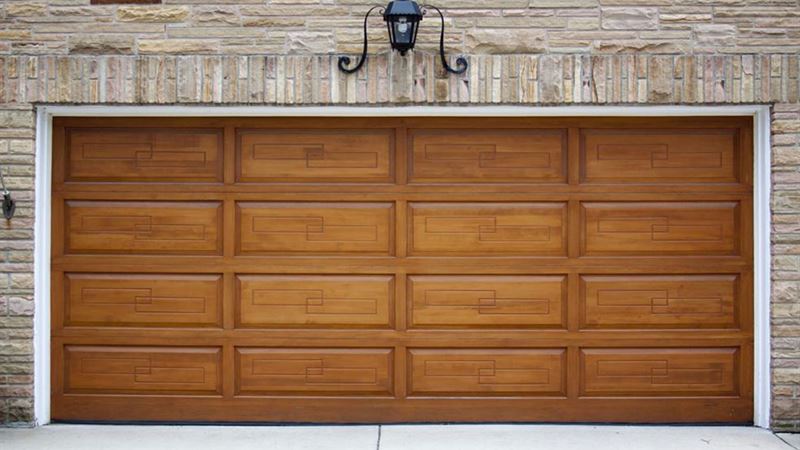
Maintaining the functionality and appearance of your garage is essential for both safety and aesthetic appeal. When your garage door panels become damaged, dented, or outdated, replacing them can restore your door’s performance and enhance the overall look of your property. Properly replacing garage door panels involves careful planning, safety precautions, and a clear understanding of the process. This detailed guide provides comprehensive instructions to help homeowners and technicians successfully replace garage door panels, ensuring safety and longevity of the garage door system.
Understanding the Importance of Correct Panel Replacement
Garage door panels are an integral part of the door's structure, providing stability, insulation, and aesthetic value. Damaged panels not only compromise the security and insulation of your garage but also diminish curb appeal. Replacing panels that have sustained damage—such as dents, cracks, or warping—can prevent further issues and extend the lifespan of your garage door. It's essential to identify whether a panel needs replacement versus repair and to select compatible panels to ensure seamless operation and appearance.
Garage door panels are an integral part of the door's structure, providing stability, insulation, and aesthetic value. Damaged panels not only compromise the security and insulation of your garage but also diminish curb appeal. Replacing panels that have sustained damage—such as dents, cracks, or warping—can prevent further issues and extend the lifespan of your garage door. It's essential to identify whether a panel needs replacement versus repair and to select compatible panels to ensure seamless operation and appearance.
Preparation Before Replacing Garage Door Panels
Before starting the replacement process, thorough preparation is crucial. First, gather all necessary tools and materials, including screwdrivers, socket wrenches, new panels, safety gloves, and eye protection. Next, disconnect power to the garage door opener to prevent accidental activation during the procedure, which could cause injury. It’s advisable to inspect the entire garage door system for any torsion spring wear or damage that might affect the door's operation after panel replacement.
Before starting the replacement process, thorough preparation is crucial. First, gather all necessary tools and materials, including screwdrivers, socket wrenches, new panels, safety gloves, and eye protection. Next, disconnect power to the garage door opener to prevent accidental activation during the procedure, which could cause injury. It’s advisable to inspect the entire garage door system for any torsion spring wear or damage that might affect the door's operation after panel replacement.
Safety Precautions and Precise Disconnection
Safety must be the top priority. Always wear protective gear such as gloves and eye protection before handling heavy panels or springs. Ensure the garage door is fully closed before disconnecting the opener by unplugging or disabling it. When removing springs, exercise caution, as they are under significant tension, and improper handling can lead to severe injuries. If you are unfamiliar with spring mechanisms, consult a professional technician. Support the door with ladders or braces during panel removal to prevent accidental falls or sudden closures.
Safety must be the top priority. Always wear protective gear such as gloves and eye protection before handling heavy panels or springs. Ensure the garage door is fully closed before disconnecting the opener by unplugging or disabling it. When removing springs, exercise caution, as they are under significant tension, and improper handling can lead to severe injuries. If you are unfamiliar with spring mechanisms, consult a professional technician. Support the door with ladders or braces during panel removal to prevent accidental falls or sudden closures.
Steps to Remove Old Garage Door Panels
Initially, verify that the garage door is securely supported to prevent collapse. Manually open the garage door after unplugging the opener, and carefully detach all springs and rollers attached to the panels. Most panels are connected via bolts or screws, especially at the sides or top, which need to be loosened using appropriate tools. Carefully lift and slide the panels away from the tracks, taking note of their orientation for accurate reinstallation. Removing panels one at a time from the top or the middle ensures manageable handling and precise replacement.
Initially, verify that the garage door is securely supported to prevent collapse. Manually open the garage door after unplugging the opener, and carefully detach all springs and rollers attached to the panels. Most panels are connected via bolts or screws, especially at the sides or top, which need to be loosened using appropriate tools. Carefully lift and slide the panels away from the tracks, taking note of their orientation for accurate reinstallation. Removing panels one at a time from the top or the middle ensures manageable handling and precise replacement.
Removing the Target Panel and Preparing for Installation
Identify the damaged panel requiring replacement. If the panel is at the top, remove the panels above it sequentially; for middle panels, detach neighboring panels as needed. Loosen all fasteners and carefully lift the damaged panel out of the tracks. Examine the tracks for any dents or obstructions that might impair the installation of the new panel. Clean and inspect the tracks to ensure the smooth movement of new rollers and panels. Have the replacement panel ready, ensuring it matches the size, color, and style of existing panels.
Identify the damaged panel requiring replacement. If the panel is at the top, remove the panels above it sequentially; for middle panels, detach neighboring panels as needed. Loosen all fasteners and carefully lift the damaged panel out of the tracks. Examine the tracks for any dents or obstructions that might impair the installation of the new panel. Clean and inspect the tracks to ensure the smooth movement of new rollers and panels. Have the replacement panel ready, ensuring it matches the size, color, and style of existing panels.
Proper Installation of New Garage Door Panel
Begin by sliding the new panel's rollers into the tracks on each side. Carefully lower the panel until it aligns with the panel below it, ensuring that the rollers sit securely in the tracks. Use screws or bolts to secure the new panel to adjacent panels, following the original assembly order. Confirm that all fasteners are tight, and double-check the alignment to prevent uneven movement. Proper fastening is crucial to avoid future malfunctions and to ensure the panel remains securely in place during operation.
Begin by sliding the new panel's rollers into the tracks on each side. Carefully lower the panel until it aligns with the panel below it, ensuring that the rollers sit securely in the tracks. Use screws or bolts to secure the new panel to adjacent panels, following the original assembly order. Confirm that all fasteners are tight, and double-check the alignment to prevent uneven movement. Proper fastening is crucial to avoid future malfunctions and to ensure the panel remains securely in place during operation.
Reassembling and Testing the Garage Door System
Once the new panel is securely installed, reattach any springs or hardware that were removed, making sure they are correctly tensioned and aligned. Reconnect the garage door opener, plug in the system, and test the door’s movement manually and via the remote. Observe the door’s operation to ensure it opens and closes smoothly without irregular noises or resistance. If any issues arise, troubleshoot by checking the fasteners, alignment, and spring tension. Regular maintenance and inspections will prolong the life of your garage door.
Once the new panel is securely installed, reattach any springs or hardware that were removed, making sure they are correctly tensioned and aligned. Reconnect the garage door opener, plug in the system, and test the door’s movement manually and via the remote. Observe the door’s operation to ensure it opens and closes smoothly without irregular noises or resistance. If any issues arise, troubleshoot by checking the fasteners, alignment, and spring tension. Regular maintenance and inspections will prolong the life of your garage door.
Final Tips and Maintenance Suggestions
To maximize the lifespan of your garage door, perform routine checks for wear and tear, especially on springs, rollers, and hinges. Keep the tracks clean and free of debris to ensure smooth operation. Lubricate moving parts periodically and address minor issues promptly before they escalate. When replacing panels, always use parts that match the original specifications to maintain functionality and safety. If uncertain about any step, consulting a professional garage door technician can provide additional safety and expert assistance.
To maximize the lifespan of your garage door, perform routine checks for wear and tear, especially on springs, rollers, and hinges. Keep the tracks clean and free of debris to ensure smooth operation. Lubricate moving parts periodically and address minor issues promptly before they escalate. When replacing panels, always use parts that match the original specifications to maintain functionality and safety. If uncertain about any step, consulting a professional garage door technician can provide additional safety and expert assistance.
In conclusion, replacing garage door panels is a manageable process that can significantly improve both the appearance and function of your garage. Adequate preparation, safety awareness, and proper installation techniques are essential to achieve successful results. Whether you do it yourself or hire a professional, understanding each step ensures your garage door remains secure, functional, and visually appealing for years to come.