
Comprehensive Guide to Selecting the Perfect Laser Color Printer for Your Needs
Discover a comprehensive guide to choosing the perfect laser color printer that fits your needs. Learn about key factors such as cost, connectivity, functionality, size, and environmental impact to make an informed decision. Whether for home use or business, find out how to select a reliable, efficient printer that offers outstanding print quality and long-term value.
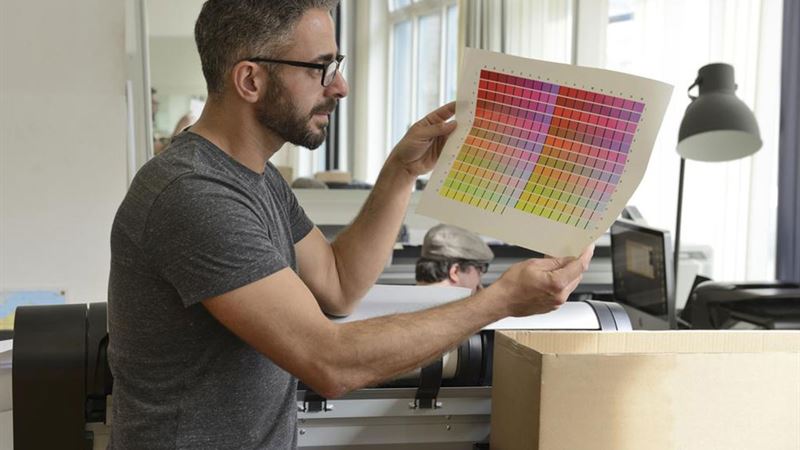
In today's digital age, choosing the right printing device is essential for both personal and professional environments. Laser color printers have gained popularity due to their high-quality output, speed, and efficiency. However, selecting the ideal model requires careful consideration of various factors such as size, cost, functionality, and connectivity options. This comprehensive guide aims to walk you through the critical aspects to consider before purchasing a laser color printer, ensuring you make an informed decision tailored to your specific needs.
Understanding Your Printing Requirements
Before diving into specific models or brands, it’s important to assess your printing needs. Are you an avid home user with occasional printing tasks? Or are you running a small business that demands high volume, fast turnaround, and multifunctionality? The answers will determine the type of laser color printer best suited for you.
For casual users or students, compact and affordable models are typically sufficient. These printers tend to be smaller, lightweight, and less expensive both in initial cost and maintenance. On the other hand, businesses with demanding printing needs require robust, high-capacity printers that can handle large workloads and offer additional features like scanning, copying, and duplex printing.
Cost Considerations and Budget Planning
One of the primary concerns when selecting a laser color printer is budget. While some models promise industry-leading features, they may come with a hefty price tag. It’s essential to establish a clear budget range and compare options within that range.
In addition to the initial purchase price, consider ongoing costs such as toner cartridges, drum units, maintenance, and energy consumption. Toner refills are a significant part of the long-term expense; therefore, investigate the estimated toner lifespan and cost per page for each model. High-yield toner cartridges, although more expensive upfront, often provide better value in high-volume printing scenarios.
Connectivity Options for Seamless Integration
Connectivity is another crucial factor. Most laser color printers offer basic USB connections, which are suitable for direct printing from a single device. However, in office environments or networks with multiple users, more versatile options are vital.
Ethernet ports enable network sharing, allowing multiple computers and devices to access the printer easily. Wi-Fi connectivity is increasingly common and offers flexibility to print from smartphones, tablets, or laptops without the clutter of cables. Some advanced models support Bluetooth or NFC for quick pairing with mobile devices, providing added convenience.
Additional Features to Enhance Productivity
Beyond basic printing, consider whether you need multifunction capabilities such as scanning, copying, or faxing. Many laser color printers now come with built-in scanners and photocopiers, transforming them into all-in-one devices ideal for small offices or busy homes.
Automatic duplex printing is another feature worth considering, as it saves paper and reduces costs. High-resolution color output ensures professional-quality documents, flyers, or presentations, especially important for business use. Additionally, look for user-friendly interfaces, touchscreen controls, and energy-saving features to optimize your experience and reduce operational costs.
Size and Footprint Considerations
Laser color printers tend to be bulkier than their monochrome counterparts due to their multiple components and higher-capacity trays. Measure your intended space carefully and choose a model that fits comfortably without cluttering your environment.
Some models are designed with compact footprints suitable for small desks or limited spaces, while others are larger with extended paper trays for high-volume printing. Consider the need for additional paper capacity and access for maintenance when evaluating a model’s size.
Long-Term Reliability and Support
Durability and after-sales support are vital factors that often get overlooked. Opt for reputable brands with a history of reliable performance and readily available service centers. Check for warranty options, availability of replacement parts, and customer reviews concerning longevity.
Investing in a dependable device reduces downtime and long-term costs, making it a smart choice for busy environments.
Environmental Impact and Energy Efficiency
Opting for energy-efficient models can significantly reduce your carbon footprint and ongoing electricity bills. Look for printers with Energy Star certification or similar eco-labels that indicate lower power consumption during operation and standby modes.
Besides, some printers incorporate automatic sleep modes and eco-friendly toner cartridges to further promote sustainability. These features not only benefit the environment but can also contribute to cost savings over time.
Final Tips for Making the Right Choice
Thorough research is crucial. Read user reviews, compare features and prices, and consider future expansion needs. Visit showrooms if possible to test the ease of use and compatibility with your existing devices.
Remember to evaluate the total cost of ownership, not just the initial purchase price. A slightly higher investment upfront might lead to significant savings and efficiency benefits in the long run.
In summary, selecting the right laser color printer involves balancing your specific needs with available features, costs, and space constraints. With careful consideration and research, you can find a reliable, efficient, and cost-effective device that enhances your productivity and meets your printing demands for years to come.